Your monitor should not look like a haunted TV from 1997. If you see static, fuzzy dots, flashing lines, random snow, or weird screen noise on Windows 11, do not panic. This problem is usually caused by a loose cable, a wrong display setting, a grumpy driver, or a tired monitor connection. The good news is that most fixes are quick and painless.
TLDR: Start by checking your monitor cable, ports, and power connection. Then set the correct resolution and refresh rate in Windows 11. If the static is still there, update or roll back your graphics driver. Finally, test the monitor with another cable, port, or computer to find the true troublemaker.
What Does Monitor Static Look Like?
Monitor static can appear in many silly forms. It may look like tiny white dots. It may look like colorful sparkles. It may look like horizontal lines, flickering bars, or a shaky picture.
Sometimes the whole screen goes fuzzy. Sometimes only part of the screen acts weird. Sometimes it happens only while gaming, watching videos, or waking the PC from sleep.
Static is not always the monitor’s fault. Windows 11 may be innocent too. The real villain might be a cable, a driver, a bad port, or even electrical noise from another device.
1. Check the Cable First
This is the boring fix. It is also the most common fix. A loose or damaged cable can create static fast.
Turn off your monitor and PC. Then check both ends of the display cable. Push the cable in firmly. Do not jam it like you are opening a pickle jar. Just make sure it is snug.
Check these cables:
- HDMI cables
- DisplayPort cables
- USB C display cables
- VGA cables, if your setup is older
- DVI cables, if your monitor uses one
If the cable looks bent, cracked, or chewed by a pet, replace it. Even if it looks fine, try another cable if you have one. Cables can fail quietly. Very sneaky.
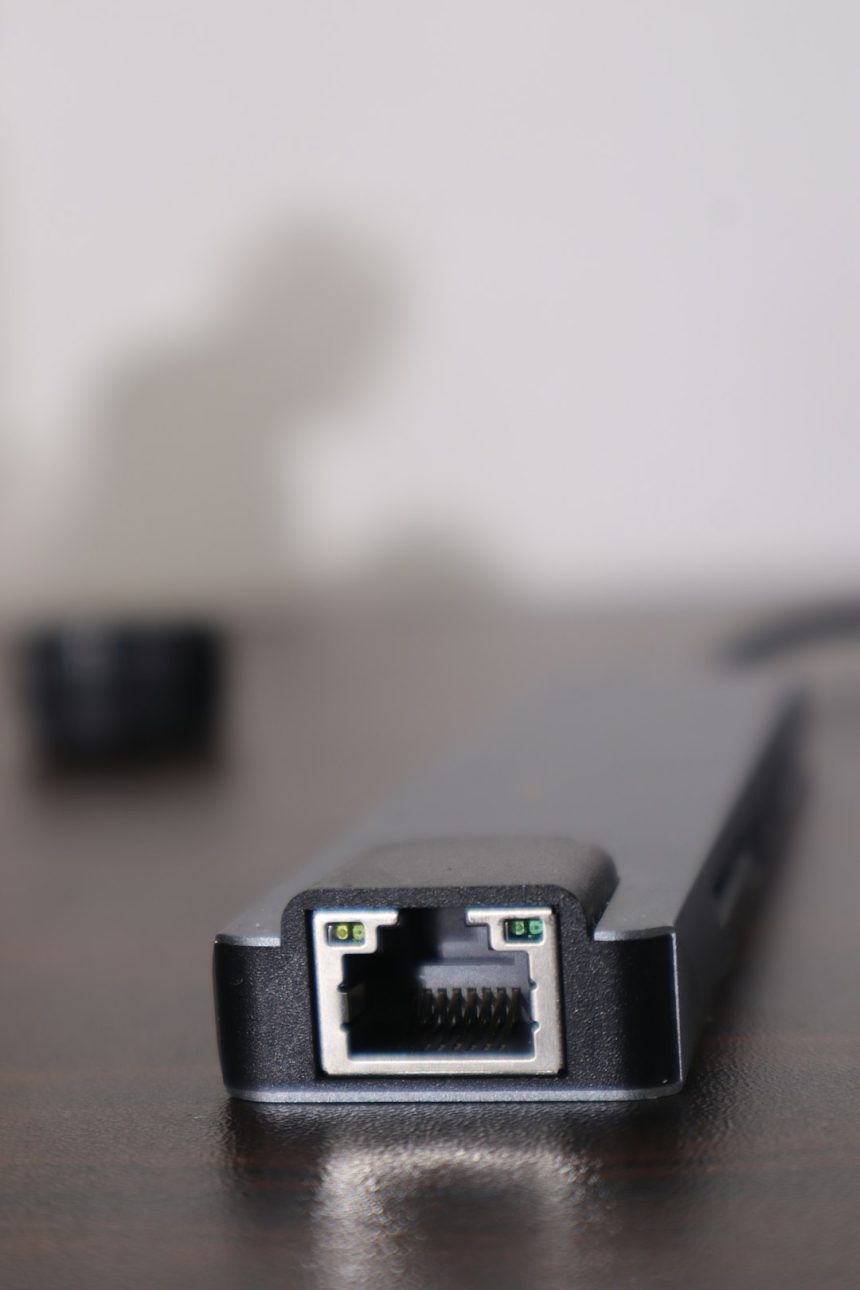
2. Try a Different Port
Your computer and monitor may have more than one display port. Try another one.
If you use HDMI, try a different HDMI port. If you use DisplayPort, switch to another DisplayPort. If your graphics card has several ports, test each one.
This helps you learn something useful. If the static goes away on another port, the first port may be damaged or dusty.
Also, make sure your cable is plugged into the graphics card, not the motherboard, if you use a desktop PC with a separate GPU. This matters a lot. The graphics card ports are usually lower on the back of the case.
3. Restart Everything
Yes, the classic fix. It still works.
Restart your Windows 11 PC. Also turn your monitor off and unplug it from power for about 30 seconds. Then plug it back in.
This clears small glitches. Monitors have tiny brains inside. Sometimes those tiny brains need a nap.
4. Set the Correct Resolution
If Windows 11 uses the wrong resolution, the image may look fuzzy or unstable. This is easy to fix.
- Right click on the desktop.
- Click Display settings.
- Find Display resolution.
- Choose the option marked Recommended.
The recommended setting is usually your monitor’s native resolution. That means the screen is using the sharpest and cleanest mode.
For many monitors, this may be:
- 1920 x 1080 for Full HD
- 2560 x 1440 for QHD
- 3840 x 2160 for 4K
If the screen becomes worse after changing it, wait. Windows will ask if you want to keep the setting. If you do nothing, it will switch back.
5. Fix the Refresh Rate
The refresh rate controls how many times your screen updates per second. If it is set wrong, you may see flicker or static.
Here is how to change it:
- Right click the desktop.
- Click Display settings.
- Scroll down and click Advanced display.
- Find Choose a refresh rate.
- Pick a stable option, like 60 Hz, 120 Hz, or 144 Hz.
Start with 60 Hz. This is the calm and sensible choice. If the static stops, your previous refresh rate may be too high for your cable, port, or monitor.
For high refresh rates, use a good cable. A cheap old HDMI cable may not love 144 Hz. It may throw a tiny pixel tantrum.

6. Update Your Graphics Driver
Your graphics driver is the software that helps Windows talk to your graphics hardware. If it is old or buggy, your monitor may show static.
You can update it through Windows:
- Right click the Start button.
- Click Device Manager.
- Open Display adapters.
- Right click your graphics device.
- Click Update driver.
- Choose Search automatically for drivers.
You can also download drivers from the maker of your graphics card or laptop. Common names are NVIDIA, AMD, and Intel.
After installing a new driver, restart your PC. Drivers like a fresh start. So do humans.
7. Roll Back the Driver
Sometimes a new driver causes the problem. Yes, updates can be rude.
If the static started after a driver update, roll it back:
- Right click the Start button.
- Open Device Manager.
- Open Display adapters.
- Right click your graphics device.
- Click Properties.
- Open the Driver tab.
- Click Roll Back Driver, if it is available.
If the button is gray, Windows does not have an older driver saved. In that case, download an older stable driver from the graphics maker’s website.
8. Check Windows Update
Windows 11 updates can fix display bugs. They can also install better monitor or graphics support.
To check:
- Open Settings.
- Click Windows Update.
- Click Check for updates.
- Install anything important.
- Restart the computer.
Also click Advanced options, then Optional updates. Sometimes display drivers hide there like shy cats.
9. Turn Off HDR and Fancy Display Features
HDR can make colors look great. It can also cause flicker or strange display behavior on some monitors.
Try turning it off:
- Right click the desktop.
- Click Display settings.
- Click HDR.
- Turn off Use HDR.
If your monitor has settings like FreeSync, G Sync, Overdrive, or Dynamic Contrast, test with them off. These features are useful, but they can cause problems when settings do not match.
10. Check for Electrical Interference
Static can come from electrical noise. This sounds like wizard science, but it is real.
Move these things away from your monitor and cable:
- Speakers
- Power bricks
- Large chargers
- Fans
- Routers
- Old lamps
- Microwaves, if your desk is in a very strange kitchen
Keep the display cable away from power cables if you can. Do not wrap them together like spaghetti. Give them space.
If you use a power strip, try another outlet. If possible, plug the monitor and PC into the same surge protector. This can reduce weird grounding issues.
11. Test Another Monitor
This step helps you solve the mystery.
Connect a different monitor or TV to your Windows 11 PC. If the static is gone, your original monitor may be the problem. If the static remains, the issue is likely the PC, cable, port, or graphics card.
You can also connect your monitor to another computer. If it shows static there too, the monitor is probably at fault.
12. Boot Into Safe Mode
Safe Mode starts Windows with basic drivers. It is useful for testing driver problems.
To enter Safe Mode:
- Open Settings.
- Go to System.
- Click Recovery.
- Next to Advanced startup, click Restart now.
- Choose Troubleshoot.
- Click Advanced options.
- Click Startup Settings.
- Click Restart.
- Press 4 for Safe Mode.
If the static disappears in Safe Mode, your normal graphics driver or display software may be the issue. Reinstall the driver cleanly if needed.
13. Reset the Monitor Settings
Your monitor has its own menu. It is usually controlled by buttons or a tiny joystick on the monitor.
Open the monitor menu. Look for an option like Reset, Factory Reset, or Restore Defaults.
This brings the monitor back to normal settings. It can fix bad brightness, contrast, sharpness, or input settings.
14. Check the Graphics Card
If you use a desktop PC, the graphics card may be loose. Do this only if you are comfortable opening the case.
Shut down the PC. Unplug it. Press the power button once after unplugging to release leftover power. Open the case. Make sure the graphics card is seated firmly in its slot.
Also check the power cables connected to the graphics card. They should be snug.
If the card is very dusty, clean it with compressed air. Do not use a vacuum inside the PC. That can cause static electricity. The bad kind of static. Very rude.
15. Look for Heat Problems
A hot graphics card can cause strange screen problems. Static, flicker, crashes, and black screens can all happen when hardware gets too warm.
Make sure your PC has airflow. Clean dust from fans and vents. Do not place a laptop on a blanket. Blankets are cozy for people, not computers.
If static appears only during games, heat or GPU load may be involved. Lower game graphics settings and test again.
16. Run System File Checks
If Windows files are damaged, display behavior can get weird. You can run a simple repair tool.
Right click the Start button. Choose Terminal Admin. Then run this command:
sfc /scannowWait for it to finish. Then restart your PC.
If problems remain, run this command too:
DISM /Online /Cleanup-Image /RestoreHealthThese tools are not magic. But they can fix broken Windows files.
When Should You Replace Something?
If you tried many fixes and the static remains, one part may need replacing.
Replace the cable first. It is cheap and easy. Then test another port. Then test another monitor. If all monitors show static on the same PC, the graphics card or motherboard display output may be failing.
If your monitor shows static with every computer and every cable, the monitor may be dying. That is sad. Give it a respectful nod. Then start shopping.
Quick Fix Checklist
- Check and reseat the display cable.
- Try a new HDMI, DisplayPort, or USB C cable.
- Use a different port.
- Restart the PC and monitor.
- Set the recommended resolution.
- Lower or correct the refresh rate.
- Update the graphics driver.
- Roll back the driver if the issue started after an update.
- Turn off HDR and extra monitor features.
- Move power devices away from display cables.
- Test another monitor or another computer.
Final Thoughts
Monitor static on Windows 11 is annoying, but it is usually fixable. Start with the simple stuff. Check the cable. Check the port. Check the refresh rate. Then move on to drivers and hardware tests.
Think of it like a detective game. The fuzzy screen is the clue. The cable is the suspicious butler. The graphics driver is wearing a fake mustache. With a little testing, you can find the culprit and bring your screen back to crisp, clean glory.