
For many visitors, Portugal used to be a place to disconnect: slow mornings with espresso, tiled streets, Atlantic sunsets, and long dinners that stretch past midnight. Today, travelers still come for all of that, but they are also discovering that staying connected can make the entire trip smoother, safer, and more spontaneous. Mobile data in Portugal has become one of the most practical travel upgrades tourists are choosing, whether they are navigating Lisbon’s hills, booking a train to Porto, finding a beach in the Algarve, or translating a menu in a village restaurant.
TLDR: Mobile data makes travel in Portugal easier by helping tourists navigate, book transport, translate, pay, and stay in touch without relying on public Wi Fi. Visitors can choose between roaming, local SIM cards, and increasingly popular eSIM plans. Coverage is generally strong in cities, coastal areas, and most tourist regions, with 4G widely available and 5G expanding. For most travelers, arranging mobile data before or soon after arrival is a small cost that delivers a big convenience upgrade.
Why mobile data matters more than ever in Portugal
Portugal is wonderfully walkable, scenic, and full of unexpected detours. That is exactly why mobile data is so useful. A traveler might start the day at a hotel in Baixa, take a tram toward Alfama, decide to cross the river to Cacilhas for lunch, and then book a last minute sunset viewpoint visit in Graça. Without reliable data, each step can involve searching for Wi Fi, downloading maps in advance, or asking for directions in a hurry.
With mobile data, the experience becomes more flexible. You can check whether the famous Tram 28 is too crowded, compare ride share prices, buy train tickets, message your accommodation, and look up opening times for museums. In a country where the best moments often come from wandering, being connected gives tourists the confidence to wander farther.

The rise of the eSIM traveler
One of the biggest changes in recent years is the growth of the eSIM. Instead of buying a physical SIM card and swapping it into your phone, an eSIM is installed digitally. Many modern smartphones support it, and travelers can often activate a plan before leaving home or within minutes of landing in Portugal.
This is especially attractive for tourists because it removes a common arrival day chore. After a long flight, few people want to compare mobile shops at the airport or figure out local plan details while tired. An eSIM lets visitors step off the plane, switch on mobile data, and open directions to their hotel immediately.
Typical benefits of an eSIM include:
- Fast setup: Activate through a QR code or app, often before arrival.
- No physical card: Keep your regular SIM in your phone for calls or banking messages.
- Flexible plans: Choose data amounts based on trip length and usage.
- Good for multi country trips: Some plans cover Portugal plus other European destinations.
However, eSIMs are not perfect for everyone. Older phones may not support them, and some budget plans may be data only, meaning they do not include a Portuguese phone number. Still, for many short term visitors, that is not a problem because messaging apps, email, maps, and ride hailing work entirely through data.
Local SIM cards are still a solid choice
Physical SIM cards remain popular, especially for travelers staying longer, using older phones, or wanting a local number. Portugal has several major mobile networks with prepaid options, and SIM cards are available in airports, shopping centers, mobile operator stores, kiosks, and some convenience shops.
A prepaid local SIM can be a good option if you want generous data at local prices. It may also be useful if you need to make local calls, contact restaurants, or arrange apartment check ins by phone. The trade off is that you must visit a shop, provide any required information, and possibly remove your home SIM unless your phone has dual SIM capability.
For longer stays, digital nomads, students, and slow travelers, local prepaid plans may offer better value than short tourist data bundles. For a weekend in Lisbon, an eSIM may be easier. For a month exploring Portugal from Braga to Faro, a local SIM may be worth the extra setup.
What about international roaming?
Roaming is the simplest option because it uses your existing mobile plan. If you are traveling from another European Union country, you may benefit from “roam like at home” rules, meaning you can often use your domestic allowance in Portugal with limited extra cost. Still, fair usage limits may apply, so it is worth checking your provider’s policy before departure.
For travelers from outside the EU, roaming can be convenient but expensive. Some mobile providers offer daily international passes, while others charge high rates per megabyte. The danger is that small actions, such as loading photos, using maps, or syncing apps in the background, can quickly become costly.
Before relying on roaming, check:
- Your daily or monthly roaming fees in Portugal
- How much high speed data is included
- Whether hotspot sharing is allowed
- What happens after you reach the data limit
- Whether calls and texts are included or charged separately
If the terms are clear and affordable, roaming may be perfectly fine. If not, a travel eSIM or local prepaid SIM often provides more control.
Coverage across Portugal: what tourists can expect
Portugal has strong mobile infrastructure for a country of its size. In major cities such as Lisbon, Porto, Coimbra, Braga, and Faro, travelers can expect reliable 4G coverage and expanding 5G access. Popular tourist regions, including the Algarve, Madeira, and much of the coastline, are also generally well covered.
In rural areas, mountains, remote beaches, and parts of the interior, speeds can vary. You may still have service, but video calls and large uploads might be less reliable. This matters if you are driving through the Douro Valley, hiking in Peneda Gerês National Park, or visiting small villages in Alentejo. For navigation, it is wise to download offline maps as a backup, even if you have a good data plan.
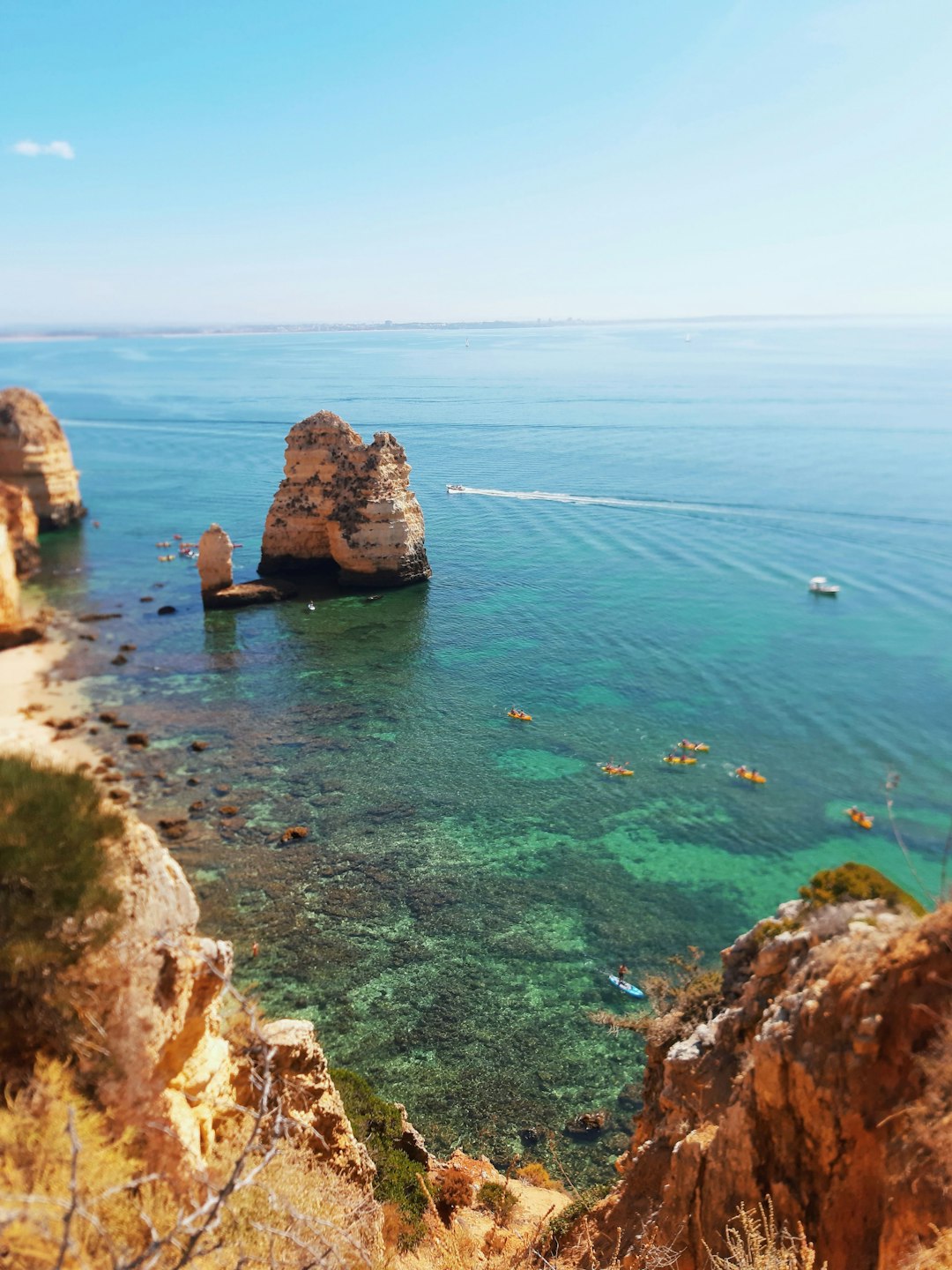
Most tourists will find mobile data more than adequate for everyday travel tasks. The main thing is to choose a plan with enough data for your habits. Light users who mainly check maps and messages need far less than travelers who stream videos, upload high resolution photos, or use their phone as a hotspot for a laptop.
How much data do you need?
Data needs vary, but it helps to think about your travel style. If you are staying in hotels with good Wi Fi and only using mobile data outdoors, a small plan may be enough. If you are constantly using maps, social media, video calls, and transport apps, choose more.
As a rough guide:
- 1 to 3 GB: Short trip, basic maps, messaging, and light browsing.
- 5 to 10 GB: One week of regular navigation, social media, restaurant searches, and occasional uploads.
- 15 to 30 GB: Longer trips, frequent photo sharing, video calls, and heavy app use.
- Unlimited or high allowance plans: Best for remote workers, families sharing hotspots, or travelers avoiding public Wi Fi.
One easy way to save data is to download key resources before you leave your accommodation. Offline maps, train tickets, museum confirmations, and language packs can reduce your reliance on mobile networks. Still, having live data is valuable because travel plans change quickly.
Mobile data makes transport simpler
Portugal’s transport system is tourist friendly, but mobile data makes it much easier to use. In Lisbon and Porto, visitors can check metro routes, bus schedules, platform changes, and ride hailing availability in real time. For longer journeys, data allows you to book or adjust train and coach tickets without visiting a ticket office.
This matters during busy periods, especially summer, holidays, and weekends. Trains between Lisbon and Porto can fill up, and Algarve buses may have limited seats at certain times. With mobile data, tourists can compare routes on the spot and make faster decisions.
Driving travelers benefit too. Navigation apps help with toll roads, traffic, parking, and fuel stops. Portugal has some electronic toll systems that can confuse first time visitors, so being able to look up payment rules while on the road is extremely useful.
Food, language, and local discovery
Some of Portugal’s best experiences are small and local: a family run tasca, a bakery selling pastéis de nata still warm from the oven, or a seafood restaurant where the menu changes daily. Mobile data helps tourists discover these places without overplanning.
Translation apps can make menus easier to understand, especially outside the most tourist heavy areas. Review platforms can help identify whether a restaurant is genuinely local or mostly designed for visitors. Mobile payments and banking alerts also make spending easier to track.
Connected travelers can:
- Translate Portuguese signs and menus instantly
- Find highly rated local restaurants nearby
- Check whether attractions require advance booking
- Message tour guides or hosts through apps
- Share live locations with friends or family

Is public Wi Fi enough?
Portugal has plenty of public Wi Fi in hotels, cafes, airports, libraries, and shopping centers. It is helpful, but it is not always enough. Public networks can be slow, require repeated logins, or fail exactly when you need them. There are also security concerns, especially when accessing banking, email, or travel accounts.
Mobile data gives you a private, more dependable connection. It is particularly useful when arriving late at night, getting lost in unfamiliar streets, or needing to contact someone urgently. Public Wi Fi is a nice backup; mobile data is the dependable foundation.
Practical tips before you travel
Before choosing a mobile data option for Portugal, make sure your phone is unlocked and compatible with the plan you want. If you plan to use an eSIM, confirm that your device supports eSIM installation. Also check whether your data plan covers only Portugal or includes nearby destinations if you are traveling onward to Spain, France, or elsewhere in Europe.
It is also smart to monitor your usage during the trip. Many phones show data consumption by app, allowing you to identify what is using the most. Turn off automatic cloud backups on mobile data if you want to avoid burning through your allowance quickly.
A simple pre trip checklist:
- Confirm your phone is unlocked
- Check eSIM compatibility if relevant
- Compare roaming costs with travel data plans
- Download offline maps as a backup
- Save important addresses and booking confirmations
- Turn off unnecessary background data use
The small upgrade that changes the trip
Mobile data may not sound as exciting as a river cruise in Porto or a cliff walk in Lagos, but it quietly improves almost every part of a Portugal trip. It saves time, reduces stress, and helps travelers make better decisions in the moment. Instead of hunting for Wi Fi or guessing directions, you can focus on the experience around you.
For today’s tourists, mobile data in Portugal is less of a luxury and more of a travel essential. Whether you choose roaming, a local SIM, or an easy eSIM, staying connected gives you the freedom to explore with confidence. And in a country filled with viewpoints, beaches, food markets, historic streets, and last minute discoveries, that freedom is exactly what makes the journey memorable.