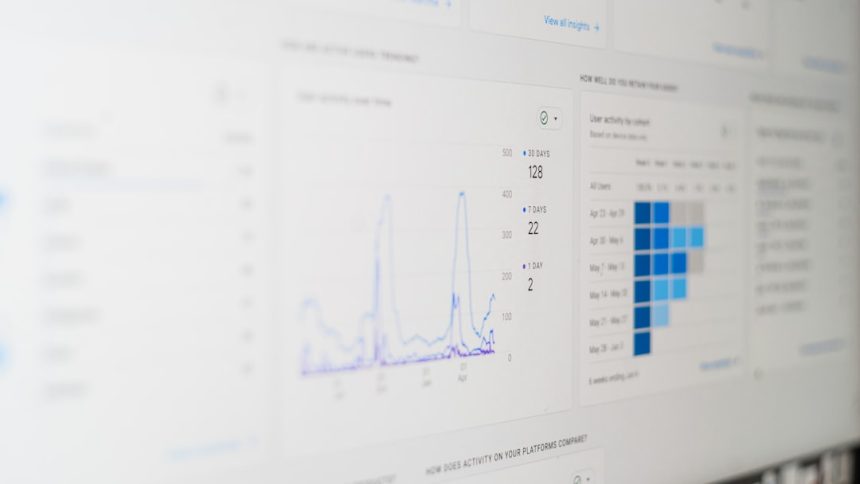
Data can feel like a wild jungle. Numbers swing from tree to tree. Charts pop up like colorful birds. Predictive analytics tools help you spot patterns, guess what may happen next, and make smarter moves in real time.
TLDR: If you like Tableau but want more choices, there are many great tools for real-time data insights. Power BI, Qlik Sense, Looker, and Sisense are strong options for teams that want fast dashboards and smart forecasts. Domo, ThoughtSpot, TIBCO Spotfire, and SAS Viya are also great for live analytics, AI features, and business predictions. Pick the tool that matches your data size, budget, skills, and goals.
Why Predictive Analytics Tools Matter
Old-school reports tell you what already happened. That is useful. But it is also a bit like reading yesterday’s weather after getting soaked today.
Predictive analytics goes further. It helps you see what may happen next. Sales may rise. Customers may leave. Machines may break. Demand may jump. A smart tool can spot these clues early.
Real-time data makes this even better. You do not wait for a weekly report. You see changes as they happen. That means faster action. Faster action means fewer surprises.
Think of it like a business dashboard with a tiny fortune teller inside. Not magic. Just math, models, and clean data doing cool work.
What Makes a Great Tableau Alternative?
Tableau is famous for visual analytics. It is powerful. It is flexible. It makes pretty dashboards. But it is not the only player in the game.
When looking for tools like Tableau, focus on a few simple things:
- Real-time updates: Can the tool show fresh data quickly?
- Predictive features: Does it support AI, forecasting, or machine learning?
- Easy dashboards: Can normal humans use it without crying?
- Data connections: Can it connect to your apps, databases, and cloud tools?
- Team sharing: Can people work together and share insights?
- Scalability: Can it grow with your business?
Now let’s meet the eight best options.
1. Microsoft Power BI
Microsoft Power BI is one of the most popular Tableau alternatives. It is friendly, powerful, and often more budget-friendly.
It connects well with Microsoft tools. If your team already uses Excel, Teams, Azure, or SharePoint, Power BI feels like part of the family. No awkward introductions needed.
Power BI offers real-time dashboards. You can stream data from sources like Azure, APIs, and business apps. This is useful for sales teams, operations teams, and support teams that need updates fast.
It also has predictive tools. You can use built-in AI visuals, forecasting, sentiment analysis, and integration with Azure Machine Learning. This gives teams a way to move from “what happened” to “what could happen next.”
Best for: Teams that use Microsoft products and want strong BI without a huge learning curve.
Fun fact: Excel fans often feel at home here. It is like Excel got a jetpack.
2. Qlik Sense
Qlik Sense is great for people who like to explore data freely. It uses an associative engine. That sounds fancy. It simply means you can click around and find hidden relationships in your data.
Many tools force you down one path. Qlik lets you wander. In a good way. You can follow clues, test ideas, and uncover surprises.
For real-time insights, Qlik connects to live data sources and streaming data platforms. It can help teams monitor supply chains, customer activity, finance numbers, and more.
Qlik also supports augmented analytics. It can suggest insights, highlight patterns, and help users ask better questions. This is helpful if your team has curious people but not many data scientists.
Best for: Teams that want flexible data discovery and interactive dashboards.
Simple win: It is excellent when you do not know the exact question yet.
3. Looker
Looker, now part of Google Cloud, is built for modern data teams. It works very well with cloud data warehouses like BigQuery, Snowflake, and Redshift.
Looker is different because it uses a modeling layer called LookML. This helps teams define business metrics in one place. So “revenue” means the same thing for sales, finance, and marketing. That is a big deal. Data arguments can get spicy.
Looker supports real-time and near real-time analytics when connected to live cloud data. It is strong for embedded analytics too. That means you can place dashboards and insights inside your own apps or portals.
For predictive analytics, Looker can work with Google Cloud AI and machine learning tools. It may need more setup than some simpler platforms. But it can be very powerful.
Best for: Data-driven companies with cloud warehouses and technical teams.
Why it shines: It keeps metrics consistent. Less confusion. More trust.
4. Sisense
Sisense is a strong choice for teams that want analytics inside products, workflows, or customer portals. It is known for embedded analytics.
It can handle complex data from many sources. It also offers fast dashboards and AI-powered insights. Sisense is useful when users do not want to leave their normal tools to look at data.
Real-time data is a key strength. Sisense can connect to live sources and help teams track changes quickly. This is useful in industries like healthcare, finance, retail, and software.
Predictive analytics features include AI exploration, natural language queries, and machine learning integrations. You can build dashboards that do more than sit there looking pretty. They can guide decisions.
Best for: Companies that want to embed analytics into apps or customer experiences.
Easy example: A SaaS company can show customers live usage trends inside its own platform.
5. Domo
Domo is like a command center for business data. It brings data, dashboards, alerts, and collaboration into one place.
Domo is built for speed. It connects to many apps and services. Marketing tools. Sales tools. Finance systems. Cloud platforms. You name it, Domo probably wants to shake hands with it.
It is strong for real-time business monitoring. Teams can track KPIs as they change and set alerts when something strange happens. If revenue drops, inventory runs low, or campaign costs spike, Domo can wave a red flag.
Domo also includes AI and predictive features. It can help forecast trends, find anomalies, and automate insights. It is designed for business users, not just data experts.
Best for: Leaders and teams that want a live business dashboard across many departments.
Fun image: Imagine mission control, but for sales, marketing, and operations.
6. ThoughtSpot
ThoughtSpot is built around search. You type a question. It gives you answers. That feels simple because it is close to how people already use the internet.
Instead of digging through filters and menus, users can ask things like, “What were sales in California last month?” or “Which products are growing fastest?”
ThoughtSpot is great for self-service analytics. It helps non-technical users explore data without waiting for a data team. That saves time. It also saves the data team from endless “quick report” requests.
For real-time insights, ThoughtSpot connects to cloud data platforms and queries live data. Its AI features can surface trends, explain changes, and help with forecasting.
Best for: Teams that want search-based analytics and fast answers.
Best part: It makes data feel less like homework.
7. TIBCO Spotfire
TIBCO Spotfire is a serious analytics tool with strong predictive power. It is popular in industries that deal with complex data. Think energy, manufacturing, life sciences, and finance.
Spotfire is very good at advanced analytics. It supports real-time streaming data, geospatial analytics, statistical modeling, and machine learning. That is a big toolbox.
If your team needs to watch sensor data, production lines, risk signals, or scientific results, Spotfire can help. It is designed for deep analysis, not just simple charts.
It also offers smart visualizations and AI-assisted insights. Users can spot patterns, compare scenarios, and make predictions using live data feeds.
Best for: Technical teams and industries with complex, fast-moving data.
Simple way to say it: Spotfire is a lab coat with a dashboard.

8. SAS Viya
SAS Viya is a heavyweight in analytics. SAS has been in the data world for a long time. It knows its stuff.
SAS Viya offers advanced analytics, machine learning, forecasting, and AI. It can handle large data sets and complex models. It is often used by banks, insurers, healthcare groups, governments, and large enterprises.
For real-time insights, SAS Viya can work with streaming data and operational systems. It helps teams detect fraud, forecast demand, predict risk, and improve decisions.
It also supports collaboration between data scientists, analysts, and business users. That is helpful because predictive analytics often needs teamwork. One person knows the data. Another knows the business. Another knows the model. Together, they make the magic happen.
Best for: Large organizations that need advanced predictive analytics and strong governance.
Good to know: It may be more powerful than needed for small teams. But for big data problems, it is a beast.
Quick Comparison
| Tool | Best Strength | Best Fit |
|---|---|---|
| Power BI | Affordable dashboards and Microsoft integration | Small to large business teams |
| Qlik Sense | Flexible data discovery | Curious teams exploring patterns |
| Looker | Cloud analytics and metric consistency | Modern data teams |
| Sisense | Embedded analytics | Product and SaaS companies |
| Domo | Business command center | Executives and cross-functional teams |
| ThoughtSpot | Search-based insights | Non-technical users |
| TIBCO Spotfire | Advanced and streaming analytics | Technical and industrial teams |
| SAS Viya | Enterprise predictive modeling | Large organizations |
How to Choose the Right Tool
Do not pick the tool with the flashiest demo. Demos are like movie trailers. Everything looks amazing for two minutes.
Instead, ask simple questions:
- Who will use it? Analysts, executives, sales teams, or customers?
- How live does the data need to be? Seconds, minutes, hours, or daily?
- How technical is your team? Can they code, or do they need drag-and-drop?
- Where is your data? Cloud warehouse, spreadsheets, apps, or databases?
- What predictions matter? Sales, churn, risk, demand, fraud, or operations?
- What is your budget? Include setup, training, and support.
If your team loves Microsoft, start with Power BI. If you want exploration, try Qlik Sense. If your data lives in the cloud, look at Looker. If you need analytics inside your product, test Sisense.
If leaders want one live view of the business, Domo may fit. If users want to search data like Google, try ThoughtSpot. If your work is technical and sensor-heavy, check Spotfire. If you need enterprise-grade modeling, consider SAS Viya.
Final Thoughts
Predictive analytics is not just for giant companies with secret data caves. It is for any team that wants better answers faster.
The best tools do three things well. They show what is happening now. They explain why it is happening. They help predict what may happen next.
Tableau is a strong choice, but it is not the only choice. Power BI, Qlik Sense, Looker, Sisense, Domo, ThoughtSpot, TIBCO Spotfire, and SAS Viya all bring something special to the table.
Start small. Pick one important question. Connect the right data. Build one useful dashboard. Add predictions when you are ready.
Data does not need to be scary. With the right tool, it becomes a friendly guide. Maybe even a tiny business superhero in chart form.