
Infrastructure as Code (IaC) platforms such as Terraform have fundamentally transformed the way organizations design, provision, and manage IT infrastructure. Instead of manually configuring servers, networks, and services, teams now define infrastructure in code files that can be versioned, tested, reused, and automated. This shift has accelerated cloud adoption, improved reliability, and enabled scalable, repeatable deployments across environments.
TL;DR: Infrastructure as Code platforms like Terraform allow organizations to define and manage infrastructure using declarative code rather than manual processes. This approach improves consistency, reduces human error, and enables automation across cloud and on-premises environments. With features such as version control, modular architecture, and provider integrations, Terraform has become a cornerstone of modern DevOps and cloud strategies. Proper governance and best practices are essential to fully realize its benefits.
The Evolution from Manual Provisioning to Infrastructure as Code
Before Infrastructure as Code, infrastructure provisioning was largely a manual process. System administrators configured servers individually, network engineers managed hardware through proprietary interfaces, and documentation often lagged behind reality. This model introduced:
- Configuration drift between environments
- Increased risk of human error
- Long deployment cycles
- Limited scalability
The emergence of cloud computing amplified the need for automation. Cloud resources could be provisioned via APIs, making it possible to treat infrastructure similarly to software. IaC platforms capitalized on this capability by enabling teams to define entire environments in machine-readable configuration files.
Terraform, introduced by HashiCorp, popularized a declarative approach to infrastructure management. Instead of specifying step-by-step instructions, users describe the desired state of the infrastructure, and Terraform determines how to achieve it.
How Terraform Works
At its core, Terraform uses configuration files written in HashiCorp Configuration Language (HCL). These files describe infrastructure components such as virtual machines, databases, load balancers, and networking configurations.
The Terraform workflow typically follows several stages:
- Write configuration in HCL files.
- Initialize the working directory to download necessary provider plugins.
- Plan to preview the changes that will be applied.
- Apply to provision or update resources.
- Destroy to tear down infrastructure when no longer needed.
This predictable lifecycle ensures visibility and control over infrastructure changes. The plan phase is particularly important, as it allows teams to review changes before they are executed, reducing unexpected modifications in production systems.
Key Features That Make Terraform Powerful
Terraform’s broad adoption is not accidental. It provides several features that align closely with enterprise operational requirements.
1. Provider Agnosticism
Terraform supports hundreds of providers, enabling integration with major cloud platforms, SaaS services, networking appliances, and on-premises systems. This allows organizations to manage multi-cloud and hybrid environments with a single tool.
2. Declarative Syntax
Users define the desired end state rather than procedural steps. Terraform automatically builds a dependency graph and executes operations in the correct order.
3. State Management
Terraform maintains a state file that maps real-world resources to configuration. This state enables accurate change detection and incremental updates.
4. Modularity
Reusable modules allow teams to encapsulate infrastructure patterns. For example, a standardized virtual network module can be reused across multiple projects, ensuring consistency and compliance.
5. Version Control Integration
Because infrastructure definitions are stored in code repositories, teams can use established version control workflows. This enables:
- Peer review of infrastructure changes
- Branching strategies for feature isolation
- Audit trails of modifications
- Rollback capabilities
Benefits of Implementing Infrastructure as Code
Adopting Terraform and similar platforms provides measurable operational benefits.
Consistency Across Environments
Development, staging, and production environments often diverge when managed manually. IaC ensures identical configurations can be recreated repeatedly, minimizing environment-specific bugs.
Improved Speed and Agility
Provisioning new infrastructure can shift from days or weeks to minutes. Automated pipelines can spin up temporary environments for testing and decommission them when complete.
Reduced Operational Risk
By replacing manual configuration processes, organizations reduce the probability of human error. Automated validation and review workflows further increase reliability.
Enhanced Collaboration
IaC breaks down silos between development and operations teams. Infrastructure updates become part of standard development lifecycles, promoting shared responsibility for reliability and scalability.
Terraform in DevOps and CI CD Pipelines
Modern DevOps practices emphasize automation across the software lifecycle. Terraform integrates seamlessly into Continuous Integration and Continuous Deployment (CI CD) pipelines.
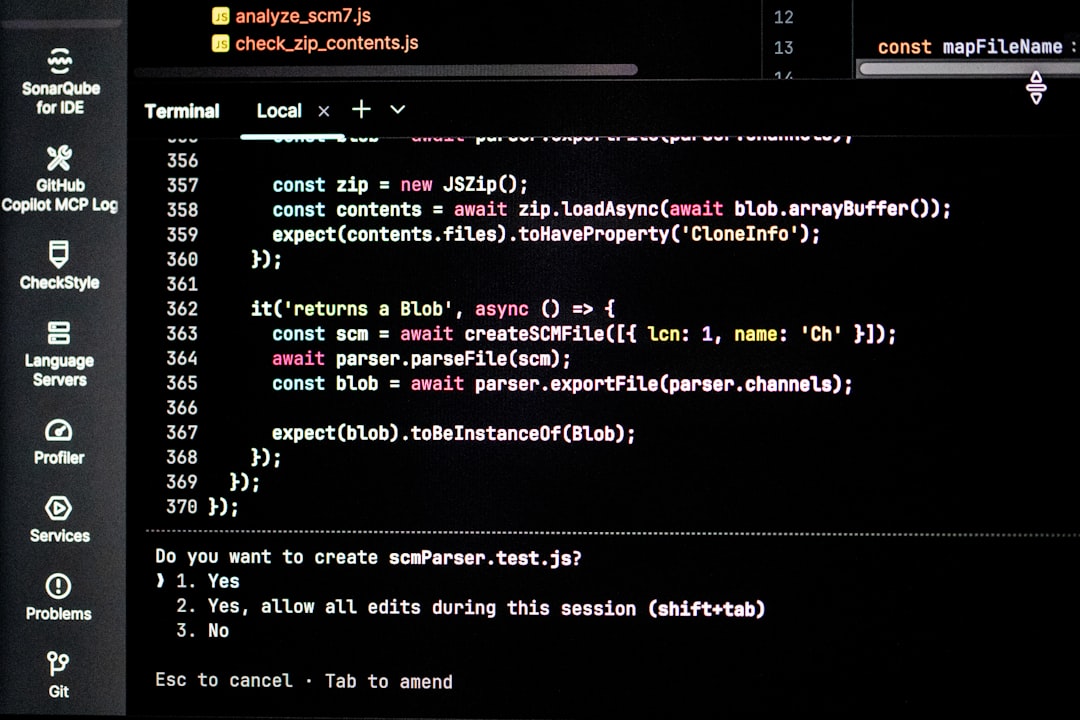
Typical integration involves:
- Triggering terraform plan upon pull requests
- Running automated policy validations
- Requiring approval before production deployment
- Executing terraform apply after approval
This workflow ensures infrastructure changes follow the same disciplined process as application code. Organizations can enforce security, compliance, and cost controls automatically.
Governance and Policy Enforcement
As infrastructure scales, governance becomes increasingly important. Uncontrolled provisioning may lead to security vulnerabilities or unnecessary expenses.
Terraform supports governance practices through:
- Policy as Code frameworks
- Role based access controls
- Remote state backends with encryption
- Audit logging and monitoring integrations
By embedding security policies directly into infrastructure pipelines, organizations ensure that noncompliant configurations are rejected before deployment. This proactive control model reduces incident rates and strengthens regulatory adherence.
Challenges and Considerations
Despite its advantages, Infrastructure as Code adoption requires careful planning.
State File Management
State files contain sensitive information such as resource identifiers and sometimes credentials. Improper handling can introduce security risks. Best practice involves using remote backends with encryption and strict access control.
Learning Curve
Teams unfamiliar with declarative configuration languages may require training. While Terraform syntax is relatively straightforward, mastering modular architecture and variable management demands discipline.
Change Management
Infrastructure changes still impact live systems. Organizations must implement robust testing strategies and structured review workflows to prevent unintended outages.
Drift Detection
Manual modifications in cloud consoles can cause divergence between actual infrastructure and Terraform state. Regular plan executions and restricted console access mitigate this risk.
Best Practices for Implementing Terraform
To maximize success, organizations should adopt structured implementation strategies.

- Adopt modular architecture to promote reuse and maintainability.
- Separate environments using workspaces or distinct state files.
- Implement automated testing for infrastructure configurations.
- Use remote state management with locking mechanisms.
- Enforce peer reviews for all infrastructure changes.
- Document standards for naming conventions and tagging.
A phased rollout often proves effective. Starting with non production environments allows teams to refine processes before managing mission critical workloads.
Infrastructure as Code in Multi Cloud and Hybrid Environments
One of Terraform’s strongest value propositions is its flexibility across multiple platforms. Organizations increasingly adopt multi cloud strategies to avoid vendor lock in and increase resilience.
Terraform enables unified management across:
- Public cloud providers
- Private cloud infrastructures
- On premises data centers
- Third party SaaS integrations
This centralized control simplifies governance, visibility, and automation. Rather than learning multiple proprietary deployment tools, engineering teams leverage a consistent workflow.
Security Implications of IaC
Infrastructure as Code enhances security when properly implemented. Automated provisioning reduces misconfigurations, one of the primary causes of cloud security incidents. Automated scans can check configurations against security benchmarks before deployment.
However, embedding security requires discipline. Sensitive variables should be handled securely, secrets must not be stored in plain text, and access to planning and apply stages must follow least privilege principles.
When integrated with security tooling, Terraform becomes part of a broader shift left security strategy, addressing risks early instead of reacting after incidents occur.
The Future of Infrastructure Provisioning
As cloud ecosystems expand and container orchestration platforms mature, the need for declarative, automated infrastructure will only intensify. IaC platforms are evolving to support:
- Improved drift detection
- Enhanced policy automation
- Deeper integration with container platforms
- Greater observability and cost governance features
Infrastructure is increasingly treated as a strategic asset rather than a background utility. Organizations that invest in structured IaC practices position themselves for scalability, resilience, and operational excellence.
Conclusion
Infrastructure as Code platforms like Terraform represent a foundational advancement in modern IT operations. By converting infrastructure definitions into reusable, testable, and version controlled code, organizations achieve greater consistency, speed, and governance. While challenges such as state management and organizational transformation must be addressed, the long term benefits outweigh the initial investment.
In an era defined by cloud expansion and rapid software delivery cycles, automation is not optional. Terraform and similar platforms provide a disciplined, reliable framework for provisioning infrastructure at scale—enabling organizations to innovate confidently while maintaining operational control.