WordPress has unveiled a new AI Agent Skill designed to accelerate development workflows, automate repetitive tasks, and empower creators across its open ecosystem. The announcement signals more than a feature update—it marks a strategic shift toward AI-native tooling within the world’s most widely used content management system. For developers, plugin authors, and theme innovators, the implications are substantial and potentially transformative.
TLDR: WordPress’s new AI Agent Skill introduces built-in artificial intelligence capabilities aimed at streamlining development tasks, generating code, and assisting with debugging and customization. This innovation has the potential to significantly reduce development time while increasing experimentation and iteration speed. For plugin and theme developers, it opens new opportunities for differentiation, automation, and smarter user experiences. However, it also raises questions about competition, standards, and the evolving role of human craftsmanship in WordPress development.
The WordPress ecosystem has always thrived on community-driven innovation. With over 40% of the web powered by the platform, its extensibility through plugins and themes remains its defining strength. The introduction of an AI Agent Skill builds upon this legacy, embedding machine-assisted intelligence directly into the development pipeline.
A Strategic Move Toward AI-Native Development
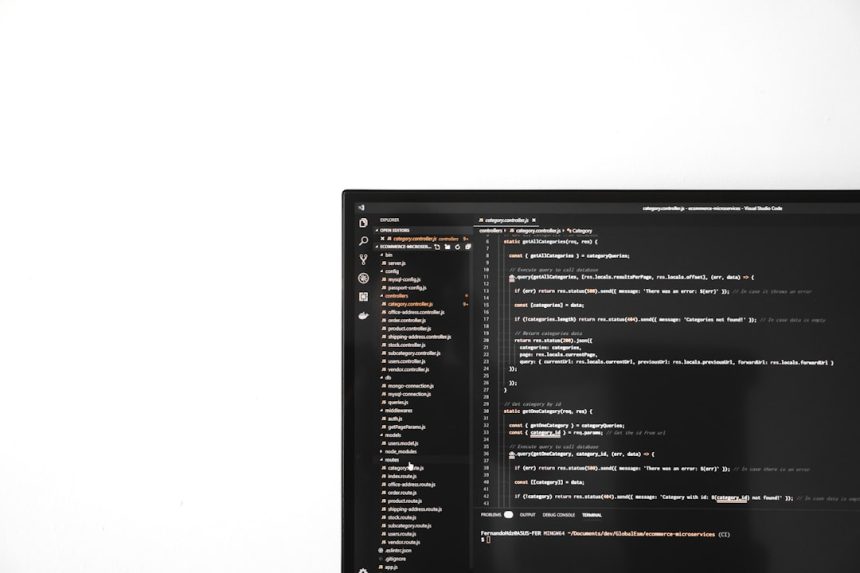
Artificial intelligence is no longer a peripheral enhancement in software platforms—it is becoming foundational. WordPress’s AI Agent Skill is designed to function as an embedded assistant capable of:
- Generating boilerplate code for plugins and themes
- Assisting with debugging and optimization
- Recommending best practices aligned with WordPress coding standards
- Automating routine configuration tasks
- Creating content scaffolds and block-based templates
This initiative reflects a broader recognition that development efficiency directly impacts innovation cycles. If developers spend less time on repetition and troubleshooting, they can dedicate greater effort to creativity and advanced customization.
Importantly, this AI Agent Skill is positioned not as a replacement for developers but as an augmentation tool. WordPress leadership has emphasized that the feature is meant to enhance productivity rather than centralize control. The open-source ethos remains intact, but with a layer of intelligence designed to assist contributors at every experience level.
Accelerating Plugin Development
For plugin developers, speed to market often determines success. With over 60,000 free plugins in the repository—and thousands more premium offerings—competition is fierce. An AI Agent Skill can reshape this landscape in several meaningful ways.
1. Rapid Prototyping
AI-assisted code suggestions allow developers to build functional prototypes in hours instead of days. Early-stage experimentation becomes less resource-intensive, enabling smaller teams to compete with established companies.
2. Automated Compliance Checks
Ensuring adherence to WordPress coding standards and security best practices is time-consuming. An integrated AI capable of flagging inconsistencies or vulnerabilities in real time reduces review cycles and improves overall plugin reliability.
3. Documentation Generation
Clear documentation influences user adoption. The AI Agent Skill can automatically generate inline comments, usage instructions, and readme files that align with repository standards.
The result is a shift in resource allocation. Developers can redirect energy toward feature differentiation rather than structural groundwork.
New Horizons for Theme Innovators
The theme market has experienced significant changes in recent years, particularly with the rise of Full Site Editing (FSE) and block-based design. The AI Agent Skill enhances this paradigm by introducing automated layout generation and dynamic style suggestions.
Theme creators stand to benefit in the following areas:
- Dynamic Layout Drafting: AI can generate responsive layout variations based on user requirements.
- Style Consistency: Automated suggestions ensure cohesive typography, spacing, and color patterns.
- Accessibility Enhancements: Real-time accessibility audits improve compliance with WCAG guidelines.
- Performance Optimization: AI recommendations can streamline asset loading and optimize CSS structure.
By embedding intelligence directly into the design workflow, WordPress lowers technical barriers while raising quality expectations.
Competitive Implications for the Ecosystem
While the AI Agent Skill promises acceleration, it also introduces complexity. As AI-generated solutions become more common, differentiation becomes more nuanced. If multiple developers rely on similar AI prompts and recommendations, market offerings may initially appear more homogeneous.
To counter this, successful innovators will need to:
- Build proprietary enhancements on top of AI-generated foundations
- Leverage AI for ideation rather than final outputs
- Invest in brand-driven design language and unique value propositions
In effect, AI compresses the baseline. Basic functionality becomes easier to produce, raising the standard for what counts as exceptional.
Economic and Operational Impacts
Development agencies and freelance professionals may experience tangible shifts in project economics. Faster turnaround times can:
- Reduce client costs for foundational builds
- Allow agencies to take on more simultaneous projects
- Increase overall experimentation and iteration speed
However, pricing models may also evolve. As AI reduces manual workload, clients may expect lower fees for standard tasks. Developers will likely respond by emphasizing strategy, customization, integration, and AI orchestration as value-added services.
This trend parallels shifts seen in other industries where automation enters established workflows: efficiency increases, but so does the demand for higher-level expertise.
Security and Ethical Considerations
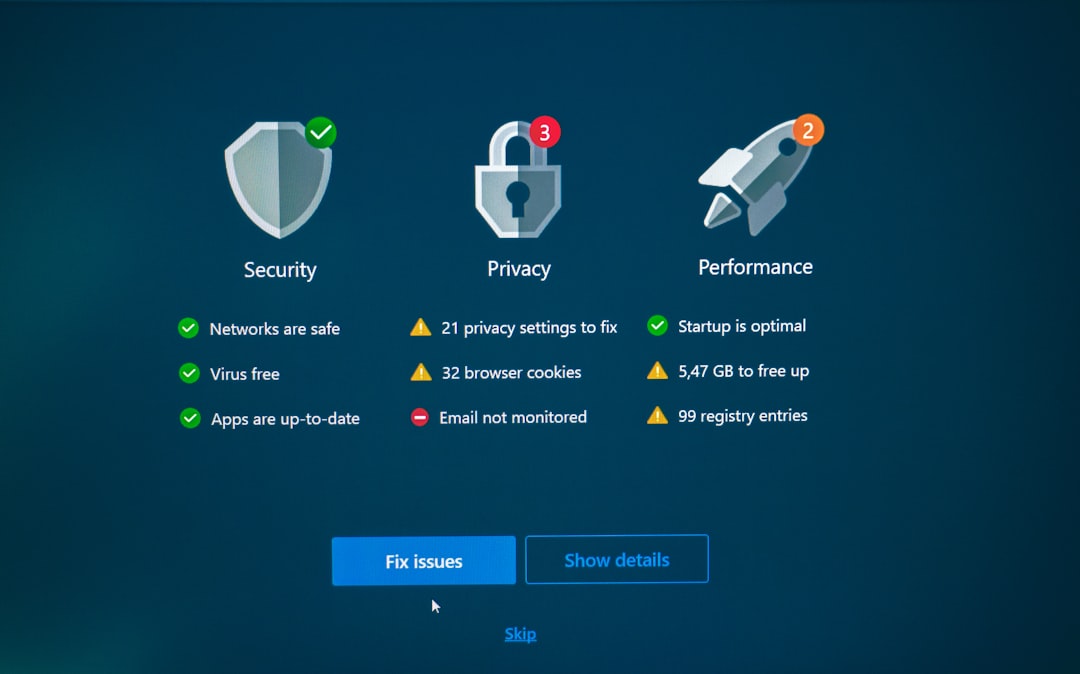
No AI integration is without risk. WordPress’s open-source model depends heavily on community scrutiny and transparent review processes. AI-generated code must be subjected to the same rigorous standards as manually written contributions.
Key considerations include:
- Code Integrity: Ensuring that generated snippets do not introduce vulnerabilities
- Licensing Compliance: Maintaining compatibility with GPL requirements
- Data Privacy: Clarifying how development data is processed or stored by AI systems
- Bias Mitigation: Preventing AI-generated design patterns from reinforcing unsuitable or outdated practices
WordPress’s strength lies in its transparent development culture. Continued documentation of how the AI Agent Skill is trained, updated, and integrated will be crucial to community trust.
The Human Element Remains Central
Despite growing automation, the role of human judgment remains indispensable. AI excels at pattern recognition and predictive assistance, but it lacks contextual awareness that seasoned developers and designers bring to projects.
Creative direction, brand storytelling, nuanced UX decisions, and complex architectural planning still demand human insight. The most effective use of the AI Agent Skill will likely involve collaborative workflows where:
- AI handles repetitive or structural groundwork
- Developers refine and strategically adapt outputs
- Designers inject stylistic distinctiveness
- Teams validate and stress-test outcomes
Rather than diminishing expertise, AI may elevate expectations—making craftsmanship more visible and differentiation more intentional.
Implications for the Future of Open Source
WordPress’s AI initiative may influence how open-source projects approach intelligent automation. Traditionally, open-source ecosystems prize manual contribution and peer review. Integrating AI changes this dynamic by adding a semi-autonomous participant in the development cycle.
This invites important philosophical and operational questions:
- How should AI-assisted contributions be documented?
- Should repositories track the extent of AI involvement in code submissions?
- Will contributor guidelines evolve to include AI best practices?
If managed carefully, AI integration can strengthen open-source development by accelerating experimentation while preserving accountability.
What Plugin and Theme Innovators Should Do Now
The most proactive developers will view the AI Agent Skill not as an optional convenience, but as a competitive lever. Immediate steps to consider include:
- Testing AI-assisted workflows in sandbox environments
- Establishing internal review standards for AI-generated output
- Exploring differentiated feature sets that build beyond AI suggestions
- Educating teams on prompt engineering and intelligent task delegation
Early adopters are often best positioned to discover unconventional applications—and to shape community norms around responsible usage.
A Defining Moment for the WordPress Ecosystem
The introduction of the AI Agent Skill represents a milestone in WordPress’s ongoing evolution. From a blogging platform to a global publishing framework, and now to an AI-augmented development environment, WordPress continues to adapt to technological shifts.
For plugin and theme innovators, the message is clear: the competitive landscape is accelerating. Efficiency tools are becoming standard, and differentiation will hinge on creativity, strategic insight, and responsible integration of automation.
AI may shorten development cycles, but it does not shorten the need for vision. Those who blend intelligent tooling with human ingenuity are likely to define the next chapter of the WordPress ecosystem.
In this sense, the AI Agent Skill is less an end product and more a foundation—one that invites developers to reimagine what is possible when open-source flexibility meets machine intelligence.