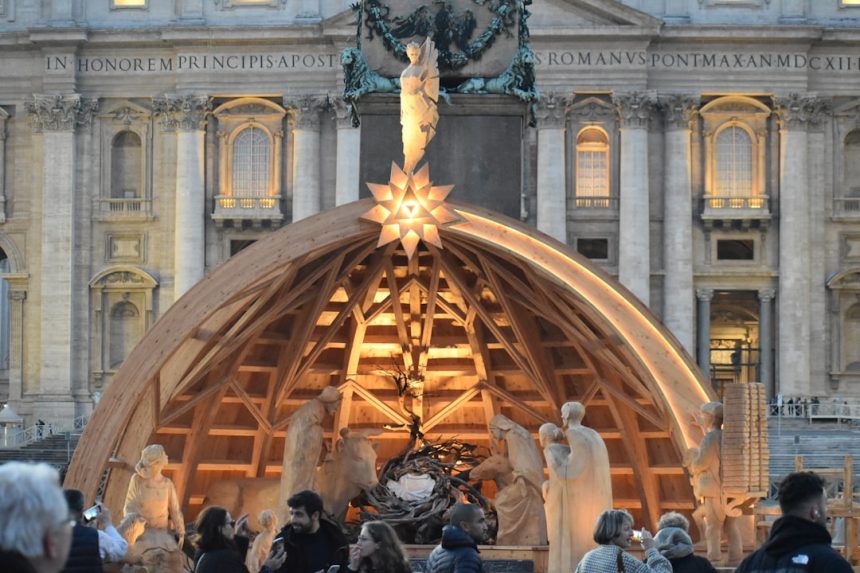
Each December, homes, churches, and city squares around the world display a miniature scene that has endured for centuries: a tiny stable, a newborn child in a manger, watchful shepherds, and a brilliant star overhead. Yet in 2026, the nativity scene is more than a simple holiday decoration. It is a layered cultural symbol, a historical tradition, a work of folk art, and for many, a sacred reminder of faith and hope.
TLDR: A nativity scene depicts the birth of Jesus Christ, traditionally showing Mary, Joseph, baby Jesus, shepherds, angels, animals, and the Magi. Originating in 13th-century Italy with St. Francis of Assisi, it has evolved into a global artistic and cultural tradition. In 2026, nativity scenes range from classic wooden carvings to digital and eco-friendly versions, serving both religious and cultural purposes. Its enduring power lies in its message of humility, peace, and shared humanity.
What Is a Nativity Scene?
A nativity scene, also called a creche, is a visual representation of the birth of Jesus Christ as described in the Gospels of Matthew and Luke in the New Testament. The scene typically includes:
- Baby Jesus, lying in a manger
- Mary, his mother
- Joseph, his earthly father
- Shepherds, representing humble witnesses
- Angels, proclaiming good news
- The Magi (Three Wise Men), bearing gifts
- Animals, often an ox and a donkey
- The Star of Bethlehem, guiding the way
The setting is usually a stable or rustic shelter in Bethlehem, emphasizing simplicity and modest surroundings. The nativity scene serves as a visual narrative of the Christmas story, bringing scripture to life in three dimensions.
In 2026, the definition has broadened. While traditional religious displays remain common, modern interpretations include artistic, minimalist, cultural, and even digital representations that reflect contemporary values and global diversity.
The Historical Origins of the Nativity Scene
The nativity scene as we know it traces back to 1223 AD, when St. Francis of Assisi in Italy created the first known live nativity display. He arranged a manger, hay, and live animals in a cave near Greccio to help people visualize the humility of Christ’s birth.
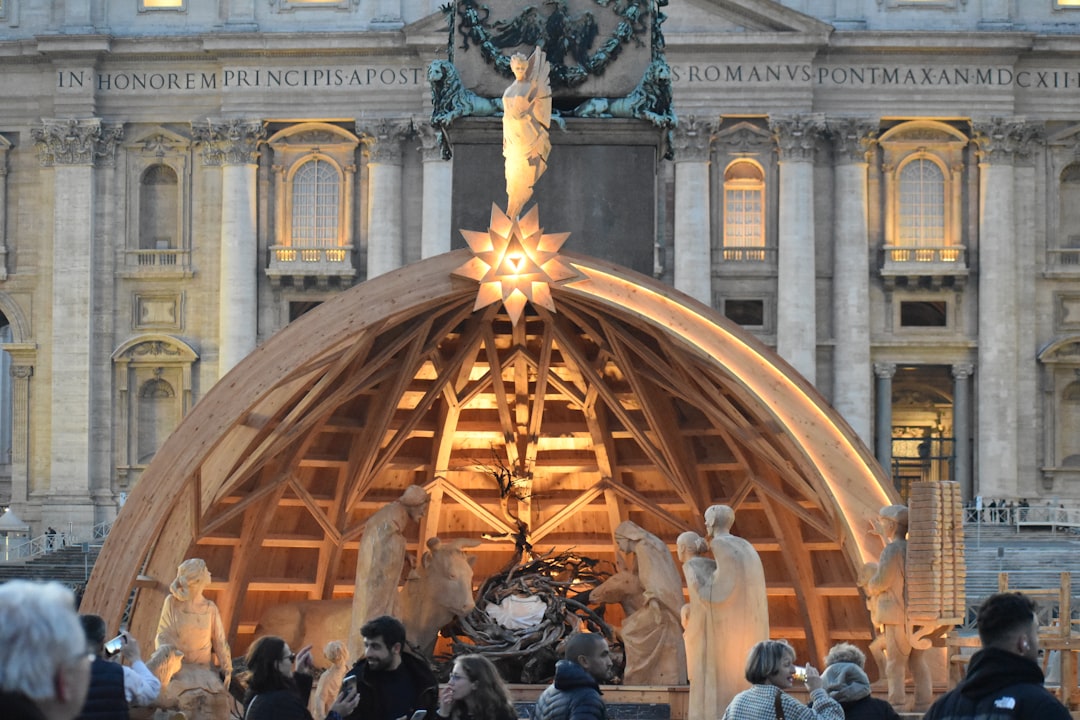
At the time, most people could not read Latin, the language of church services. Visual storytelling was essential. The live scene made the story accessible and emotionally resonant.
From Italy, the tradition spread across Europe:
- 14th–15th centuries: Churches adopted sculpted nativity sets.
- 16th century: During the Protestant Reformation, nativity scenes became especially popular in Catholic regions.
- 17th–18th centuries: Artisans in Naples, Spain, Germany, and France elevated nativity craftsmanship.
- 19th–20th centuries: The tradition expanded worldwide through colonization and missionary work.
Each culture added its own artistic touches, clothing styles, and materials, transforming a biblical scene into a global folk art tradition.
The Symbolic Meaning Behind the Figures
Every figure in the nativity carries symbolic weight. The scene is more than historical recall; it is layered with theological and moral meaning.
- The Manger: A feeding trough symbolizes humility and the idea of spiritual nourishment.
- The Stable: Represents modesty and the notion that greatness can emerge from simplicity.
- The Shepherds: Often viewed as symbols of ordinary people, showing that the message of hope is for everyone.
- The Magi: Represent wisdom, curiosity, and international recognition of significance.
- The Star: Symbolizes divine guidance and light in darkness.
In Christian theology, the nativity scene underscores themes of humility, generosity, incarnation, and peace. Even for non-religious observers, these universal ideas resonate.
How Nativity Scenes Differ Around the World
By 2026, the nativity scene is one of the most globally adapted Christmas traditions. Cultural context shapes the materials, clothing, architecture, and even the ethnicity of figures.
Image not found in postmetaFor example:
- Italy: Known for detailed, lifelike figurines and elaborate village settings.
- Germany: Features carved wooden figures from regions like Bavaria.
- Mexico: Uses vibrant colors and clay or ceramic craftsmanship.
- Africa: Often depicts Holy Family figures in traditional African garments.
- Philippines: Integrates the nativity with festive lantern traditions.
In many communities, local architecture replaces the traditional Bethlehem stable. Huts, adobe houses, and even contemporary urban backdrops appear. This localization reinforces a powerful message: the story belongs everywhere.
Nativity Scenes in Public Spaces: Controversy and Coexistence
In some countries, especially those with diverse religious populations, public nativity displays have sparked debates about:
- Separation of church and state
- Religious inclusion
- Cultural representation
By 2026, many municipalities adopt inclusive approaches. Nativity scenes may appear alongside menorahs, kinara candles, or secular holiday symbols. Others move displays to private or church property to avoid conflict.
Interestingly, surveys show that even many non-Christian observers appreciate nativity displays as part of broader cultural heritage rather than exclusively religious proclamations.
The Evolution of the Nativity Scene in the Digital Age
Technology has dramatically reshaped how nativity scenes are experienced.
In 2026, nativity scenes appear in:
- Projection-mapped light shows on buildings
- Interactive museum installations
- Virtual reality experiences
- Animated social media content
- Augmented reality holiday apps
Families can now use AR filters to place a 3D nativity scene in their living rooms via smartphones. Churches livestream live nativity reenactments, reaching global audiences.
Despite technological advancements, physical nativity sets remain meaningful heirlooms passed down through generations.
Modern Trends Shaping Nativity Scenes in 2026
Several key trends define the contemporary nativity landscape:
1. Sustainability
Eco-conscious consumers favor nativity sets made from:
- Reclaimed wood
- Recycled materials
- Biodegradable clay
- Fair-trade textiles
2. Minimalist Design
Modern homes often display sleek, abstract versions using simple lines and neutral colors.
3. Cultural Representation
More sets feature diverse skin tones and culturally inclusive imagery.
4. DIY and Community Crafting
Schools, parishes, and families build handmade nativity scenes as participatory traditions.
Why the Nativity Scene Still Matters
In an era of rapid change, the nativity scene offers continuity. Its enduring appeal lies in several key factors:
- Storytelling: It visually communicates a foundational narrative.
- Tradition: It connects generations across centuries.
- Artistry: It showcases global craftsmanship.
- Reflection: It encourages contemplation during a busy season.
- Community: It brings people together in shared experience.
For believers, it affirms faith. For artists, it inspires creativity. For historians, it reflects cultural evolution. For families, it signals the beginning of Christmas.
Common Misconceptions About Nativity Scenes
Despite widespread familiarity, misconceptions persist:
- All figures were present on the same night: The Magi likely arrived later.
- The setting was a wooden barn: It may have been a cave or stone shelter.
- Nativity scenes are only religious: Many view them as cultural heritage.
Understanding historical and textual nuance enriches appreciation rather than diminishing it.
The Nativity Scene as Cultural Heritage
In several countries, nativity craftsmanship is officially recognized as intangible cultural heritage. Artisan workshops continue centuries-old carving methods. Annual nativity exhibitions draw tourists and collectors alike.
In 2026, global connectivity allows artisans to share their work internationally, revitalizing local economies and keeping traditions alive.
The nativity scene serves as a mirror of the societies that create it. Changes in artistic style, representation, and materials reflect broader social shifts.
Final Thoughts
So what is a nativity scene in 2026? It is, at its heart, still a depiction of a child born in humble circumstances. But it is also much more: a historical artifact, a living artistic tradition, a point of cultural conversation, and a vessel for timeless values.
From candlelit churches in medieval Italy to virtual reality displays accessible worldwide, the nativity scene has proven remarkably adaptable. It bridges sacred and secular spaces. It sparks dialogue about faith and identity. It offers stillness in a noisy season.
Above all, it continues to tell a story that transcends geography and era — a story of hope emerging quietly in the most unexpected place.