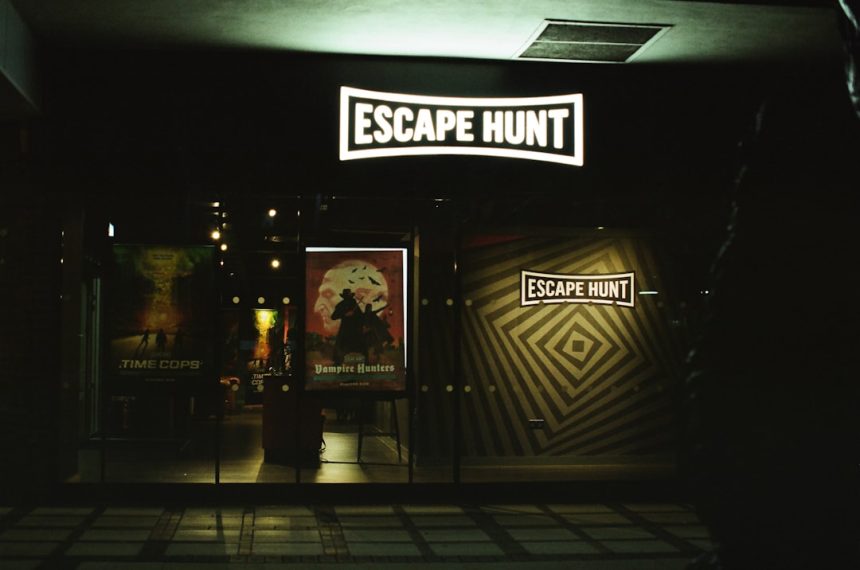
Escape rooms are designed to challenge the mind, test teamwork, and create a sense of urgency that pushes players to think creatively under pressure. Yet even the most enthusiastic participants often fall into predictable traps that waste time and derail progress. While fast thinking is essential, impulsive thinking can be disastrous. Successful teams understand that victory is less about frantic energy and more about focused strategy. Avoiding classic escape room mistakes can be the difference between celebrating with seconds to spare and watching the clock run out.
TLDR: Escape room success depends on strategic thinking, clear communication, and effective teamwork—not panic. Common mistakes like overlooking obvious clues, failing to communicate, and overcomplicating puzzles can quickly drain valuable time. Teams that stay organized, assign roles, and think critically under pressure dramatically improve their odds of escape. Thinking fast is important, but thinking clearly is what truly wins the game.
Why Smart Speed Beats Blind Panic
Escape rooms are built to create a sense of urgency. The ticking clock raises adrenaline levels, which can sharpen focus—but it can also cloud judgment. When players rush without direction, they double-check the same drawers, argue over half-formed ideas, or attempt solutions without fully understanding the problem.
Smart speed means moving quickly while staying methodical. It requires balancing urgency with awareness. Instead of grabbing everything at once, experienced teams scan the room systematically. Instead of shouting ideas over one another, they pause briefly to evaluate evidence. The key distinction lies in intentional action versus reaction.
Classic Escape Room Mistakes (And How to Avoid Them)
1. Not Listening to the Briefing
One of the most common errors happens before the game even begins. Teams often treat the introduction as background noise, eager to jump into the room. Yet game masters frequently provide essential details about rules, boundaries, or subtle narrative hints.
How to avoid it:
- Assign one team member to actively listen for rules and special instructions.
- Clarify what objects are off-limits.
- Ask questions if any mechanics are unclear.
A strong start prevents avoidable confusion later.
2. Failing to Communicate Clearly
Communication breakdown is perhaps the most destructive mistake. Escape rooms are information-based challenges. If one player finds a key but forgets to announce it, another may waste precious minutes searching the same location.
How to avoid it:
- Speak discoveries out loud immediately.
- Use clear and concise descriptions.
- Create a central spot for used and unused items.
- Repeat important clues to confirm the team heard correctly.
Teams that narrate their actions create a shared pool of knowledge that speeds up solutions.
3. Overcomplicating Simple Puzzles
When under pressure, players tend to assume that solutions must be complex. In reality, many puzzles rely on straightforward logic. Overthinking turns simple number sequences into elaborate theories.
How to avoid it:
- Try the simplest possible explanation first.
- Look for direct correlations between clues and locks.
- Avoid creating patterns that are not clearly supported by evidence.
If a puzzle feels overly complicated, it often means the team is adding unnecessary layers.
4. Ignoring the Obvious
Another frequent mistake is overlooking what is right in front of the team. Players may search obsessively for hidden compartments while ignoring a visible code written on the wall.
How to avoid it:
- Conduct a thorough initial sweep of the room.
- Observe walls, ceilings, and furniture before assuming hidden mechanisms.
- Revisit noticeable objects if stuck.
Attention to detail is more valuable than brute force searching.
5. Working Individually Instead of Collaboratively
Independence can be helpful—but isolation is harmful. When players separate without updating each other, they limit the flow of information.
How to avoid it:
- Divide tasks but regroup frequently.
- Share partial solutions even if incomplete.
- Rotate puzzle attempts if someone gets stuck.
Fresh perspectives often unlock stalled progress.
6. Poor Time Management
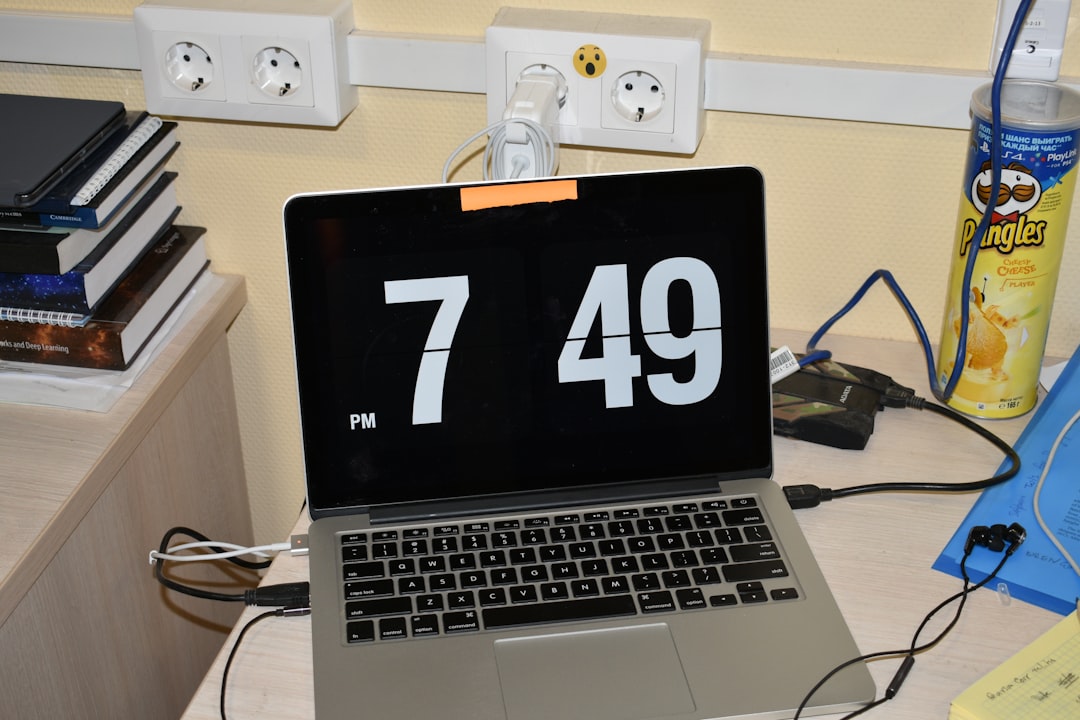
Spending 20 minutes on a single lock can doom a team. Some puzzles are intended for later stages of the game, requiring items not yet discovered.
How to avoid it:
- Set informal time limits for each challenge.
- Move on if progress stalls.
- Keep visual awareness of the countdown clock.
Momentum matters. Strategic shifting preserves precious minutes.
7. Mismanaging Clues and Hints
Many escape rooms allow teams to request hints. Some refuse to ask out of pride, waiting too long. Others request too many, reducing the challenge.
How to avoid it:
- Agree in advance on a hint strategy.
- Request help after several unsuccessful attempts.
- Ensure the entire team understands the hint before proceeding.
Hints are tools, not admissions of defeat.
Building an Effective Escape Strategy
Preventing mistakes requires preparation and structure. While rooms vary in theme and complexity, successful teams often follow consistent principles.
Assign Roles Early
Defining responsibilities avoids chaos. Roles may include:
- The Organizer: Keeps discovered items sorted.
- The Communicator: Announces findings clearly.
- The Analyzer: Focuses on decoding patterns.
- The Timekeeper: Monitors remaining time.
Clear roles enhance efficiency without limiting collaboration.
Stay Physically Organized
A cluttered table leads to repeated searches and missed clues.
- Create sections for used and unused items.
- Return solved locks to a designated location.
- Keep keys visible until their locks are found.
Visual order supports mental clarity.
Control the Room’s Energy
High energy can motivate a group—but panic spreads fast. Effective teams regulate emotional tone. If one member becomes frustrated, others step in calmly. Maintaining composure prevents arguments and rash decisions.
Short pauses can reset mental clarity. Taking five seconds to reassess often saves five wasted minutes.
The Psychology Behind Common Mistakes
Understanding why mistakes happen helps prevent them. Escape rooms trigger several psychological effects:
- Tunnel Vision: Fixating on one solution while ignoring alternatives.
- Confirmation Bias: Interpreting clues to fit a preferred theory.
- Groupthink: Agreeing too quickly without evaluating dissenting ideas.
- Stress Response: Reduced cognitive flexibility under time pressure.
Awareness of these tendencies helps teams self-correct. When someone says, “What if we’re overthinking this?” it opens space for better strategies.
Practicing Better Escape Room Habits
Preparation does not require insider knowledge. Basic exercises improve performance:
- Play logic puzzle games to sharpen pattern recognition.
- Practice communicating complex ideas concisely.
- Engage in team-based strategy activities.
- Reflect after each game on what worked and what failed.
Experience builds instinct. The more players participate, the more efficiently they recognize puzzle structures and avoid traps.
When Things Go Wrong
Even well-prepared teams encounter setbacks. A lock refuses to open. A clue seems meaningless. The clock shows only ten minutes remaining.
Rather than spiraling into panic, strong teams reset by:
- Re-examining all open puzzles.
- Reorganizing materials.
- Summarizing discovered information aloud.
Often, the missing connection becomes obvious during recap. Structured reevaluation transforms confusion into clarity.
Final Thoughts
Escape rooms are not purely tests of intelligence; they are exercises in coordination, observation, and emotional control. The fastest thinkers are not the loudest or most frantic—they are the ones who remain adaptable. Avoiding classic mistakes requires awareness, discipline, and cooperation.
Thinking fast is valuable. Thinking clearly, collaboratively, and strategically is what truly leads to the sound of a final lock clicking open.
Frequently Asked Questions (FAQ)
1. What is the most common mistake people make in escape rooms?
The most common mistake is poor communication. Players often fail to share discoveries clearly, leading to duplicated effort and missed connections between clues.
2. Should teams split up or stay together?
Teams should split up to cover more ground but regroup frequently to share findings. Balance independence with consistent updates.
3. How often should a team ask for hints?
There is no fixed rule, but many teams benefit from asking for a hint after several minutes of no progress. Waiting too long can cost valuable time.
4. Are escape rooms more about intelligence or teamwork?
Teamwork is usually more important than raw intelligence. Clear communication and collaboration consistently outperform isolated brilliance.
5. How can beginners prepare for their first escape room?
Beginners should focus on communication, organization, and staying calm. Listening carefully to the briefing and conducting a methodical room sweep can greatly improve initial performance.
6. What should a team do if they feel stuck?
Pause briefly, regroup, and review all collected clues. Reassessing information aloud often reveals overlooked connections or simpler solutions.
7. Do escape rooms follow predictable patterns?
Many rooms include common puzzle types such as numerical codes, pattern recognition, and wordplay. Familiarity improves speed, but adaptability remains essential.