As vehicles become increasingly connected, software-driven, and safety-focused, Subaru Starlink has emerged as a central pillar of the brand’s technology strategy. In 2026, Starlink is more than just an infotainment platform — it is a comprehensive suite of connected services, safety systems, remote access tools, and multimedia features designed to enhance both driving convenience and occupant protection. Understanding how Subaru Starlink works helps owners maximize its capabilities while appreciating how modern vehicles integrate cloud services, satellite signals, and onboard computing into a seamless driving experience.
TLDR: Subaru Starlink in 2026 is a connected vehicle platform that combines infotainment, safety, emergency services, remote vehicle controls, and smartphone integration. It operates through onboard telematics hardware, cellular connectivity, GPS, and Subaru’s cloud-based support infrastructure. Features include automatic collision notification, remote engine start, vehicle tracking, navigation, and subscription-based concierge services. Starlink enhances both safety and convenience but requires an active subscription for advanced connected services.
What Is Subaru Starlink?
Subaru Starlink is the automaker’s proprietary connected services and infotainment ecosystem. It consists of two primary components:
- Starlink Multimedia – The in-vehicle infotainment system.
- Starlink Safety and Security – A subscription-based telematics and emergency services platform.
Together, these systems integrate audio, navigation, mobile apps, emergency response features, and remote vehicle accessibility into one cohesive user experience.
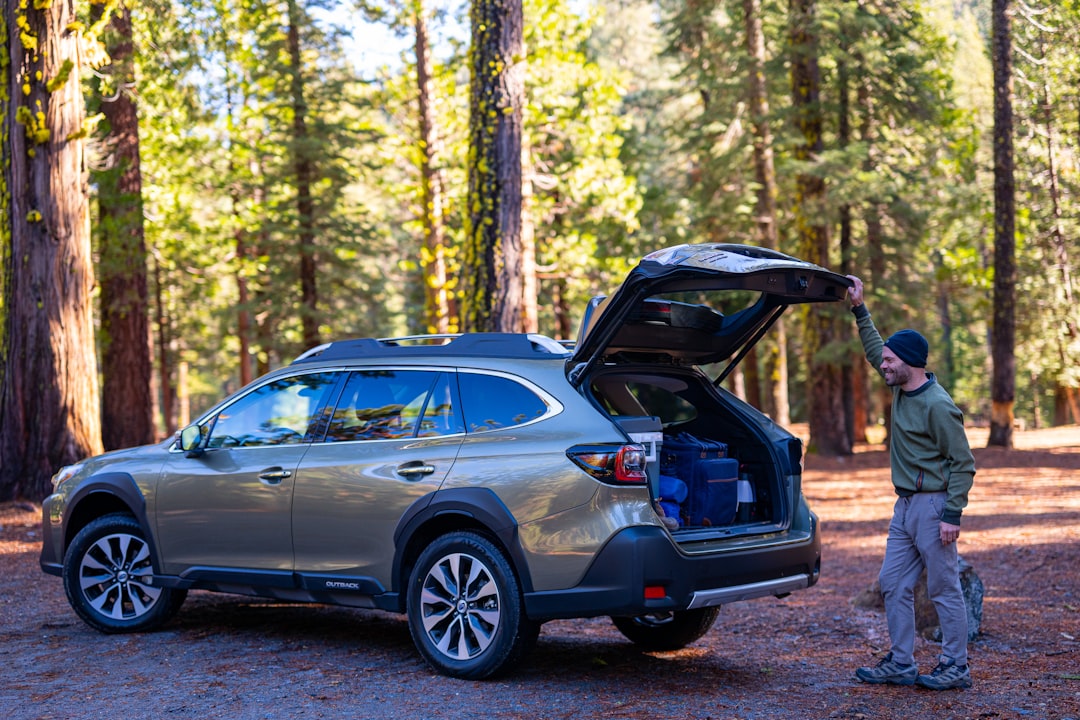
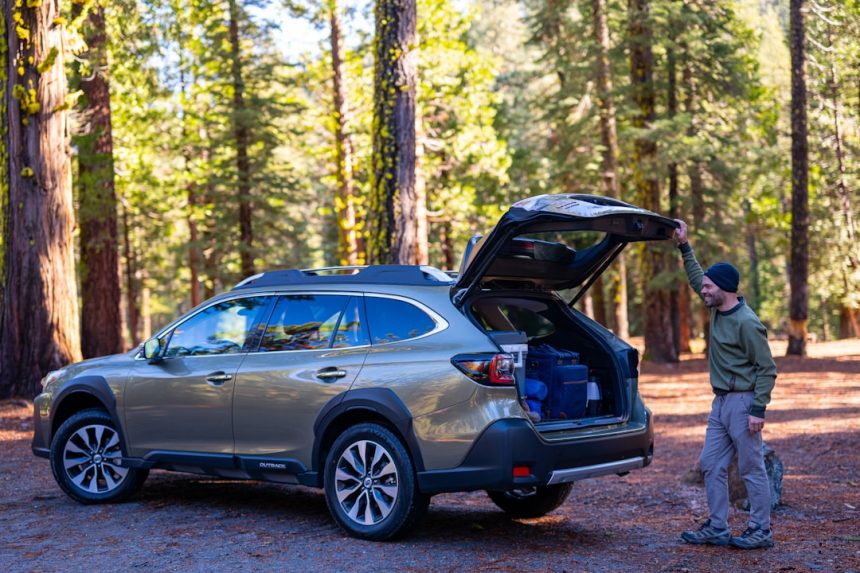
By 2026, most Subaru models — including the Outback, Forester, Crosstrek, Ascent, and WRX — come standard with at least a version of Starlink Multimedia, while Safety and Security services are available as optional subscription packages.
How Subaru Starlink Works
Subaru Starlink relies on a combination of technologies working together:
- Telematics Control Unit (TCU) embedded in the vehicle
- Cellular data connection (4G LTE or 5G depending on model year)
- GPS positioning systems
- Cloud-based Subaru service infrastructure
- Smartphone app integration
The TCU functions as the communication hub. When an event occurs — such as a collision — the system transmits data through a cellular network to Subaru’s response centers. For remote commands, such as unlocking doors via the app, signals travel from the user’s smartphone to Subaru’s servers, which then communicate securely with the vehicle.
This architecture allows near real-time interactions between drivers, vehicles, and support services.
Starlink Multimedia Features
The Multimedia component focuses primarily on entertainment, navigation, and connectivity.
1. Smartphone Integration
- Wireless Apple CarPlay
- Wireless Android Auto
- Bluetooth hands-free calling
- Text message voice-to-text capability
Drivers can mirror essential smartphone apps directly onto the vehicle’s touchscreen, enabling safer access to music, navigation, and communication tools.
2. Navigation and Real-Time Traffic
Higher trims offer built-in navigation enhanced by live traffic updates, weather forecasting, and route optimization. Because data feeds rely on internet connectivity, map accuracy and rerouting capabilities are significantly improved compared to older stand-alone GPS systems.
3. Voice Control and Cloud Search
Voice recognition in 2026 models is cloud-enhanced, meaning it can process more natural speech patterns. Drivers can request directions, adjust climate settings, or search for destinations without exact command phrasing.
Starlink Safety and Security Features
The Safety and Security suite is where Starlink stands out as a serious telematics solution rather than just an infotainment platform.
Image not found in postmeta1. Automatic Collision Notification (ACN)
If airbags deploy during a crash, Starlink automatically contacts an emergency response center. The system transmits:
- GPS location
- Vehicle identification details
- Crash severity data (when available)
An operator attempts to communicate with occupants and dispatches emergency services if needed.
2. SOS Emergency Assistance
Drivers can press the overhead SOS button to connect directly with a live emergency operator at any time.
3. Enhanced Roadside Assistance
Starlink can request towing, fuel delivery, lockout service, or flat tire assistance with precise vehicle location data.
4. Stolen Vehicle Recovery
If a vehicle is reported stolen, Subaru can assist law enforcement using GPS-based tracking to help locate and recover the vehicle.
5. Vehicle Health Reports
Monthly diagnostic summaries provide insights into maintenance needs, tire pressure alerts, and system warnings.
Remote Services Through the MySubaru App
The MySubaru smartphone app serves as the user interface for remote vehicle commands. Available features depend on subscription level and vehicle compatibility.

Common Remote Functions Include:
- Remote engine start with climate presets
- Remote door lock and unlock
- Vehicle location finder
- Horn and light activation
- Boundary and speed alerts (useful for teen drivers)
Commands are encrypted and routed through Subaru’s secure servers before reaching the vehicle. In 2026 models equipped with 5G, response times are noticeably faster than earlier generations.
Subscription Tiers in 2026
Subaru Starlink Safety and Security operates on tiered subscription plans. While exact pricing varies by region, features are typically structured as follows:
| Feature | Safety Plus | Safety and Security Plus | Security Plus with Remote |
|---|---|---|---|
| Automatic Collision Notification | Yes | Yes | Yes |
| SOS Emergency Assistance | Yes | Yes | Yes |
| Roadside Assistance | Yes | Yes | Yes |
| Stolen Vehicle Recovery | No | Yes | Yes |
| Vehicle Health Reports | No | Yes | Yes |
| Remote Engine Start via App | No | No | Yes |
| Remote Lock and Unlock | No | No | Yes |
Many new Subaru vehicles include a trial subscription for the first one to three years, allowing buyers to evaluate the service before committing long term.
How Starlink Enhances Safety in Modern Vehicles
In the broader context of automotive safety, Starlink complements Subaru’s EyeSight Driver Assist Technology, which includes adaptive cruise control, lane centering, and pre-collision braking. While EyeSight actively works to prevent accidents, Starlink focuses on post-incident response and emergency coordination.
This layered approach reflects a modern automotive philosophy:
- Prevent collisions through driver assistance.
- Mitigate impact severity with advanced structural engineering and airbags.
- Respond immediately using telematics and emergency dispatch systems.
The integration of these systems positions Subaru competitively among brands emphasizing safety leadership.
Privacy and Data Considerations
Because Starlink collects vehicle location and diagnostic data, privacy is a frequent concern for customers. Subaru states that:
- Data transmission is encrypted.
- Location tracking is primarily enabled during emergencies or when remote features are activated.
- Stolen vehicle tracking requires verified documentation and cooperation with law enforcement.
Users can review subscription agreements and data policies within the MySubaru app or dealership documentation. As with all connected vehicle platforms, informed consent is central to participation.
Limitations of Subaru Starlink
Despite its strengths, Starlink does have limitations:
- Remote features require cellular coverage.
- Subscriptions add ongoing ownership costs.
- Not all trims include full functionality.
- Older 3G-equipped vehicles were phased out as networks sunset.
Additionally, infotainment complexity can present a learning curve for drivers unfamiliar with touchscreen-dominant systems.
How Starlink Compares to Competing Systems
When compared to systems like OnStar, Toyota Connected Services, or FordPass, Starlink offers similar core telematics features. Its differentiation lies in:
- Strong integration with Subaru’s safety brand identity.
- Generous trial subscription periods.
- User-friendly mobile app functionality.
However, some competitors offer in-vehicle Wi-Fi hotspot capabilities as standard, which may vary depending on Subaru trim and model year.
The Future of Starlink Beyond 2026
Looking ahead, connected vehicle platforms are rapidly evolving toward over-the-air software updates, predictive maintenance algorithms, and deeper integration with smart home ecosystems. Subaru has already begun implementing firmware updates delivered remotely, minimizing dealership visits for software fixes.
Industry analysts anticipate further expansion into:
- Vehicle-to-vehicle communication
- Advanced driver monitoring integration
- Expanded 5G telematics capability
- Enhanced AI voice assistants
As vehicles transition toward partial electrification and greater autonomy, systems like Starlink will play a larger operational role rather than merely supporting convenience.
Conclusion
Subaru Starlink in 2026 represents a mature, safety-oriented connected vehicle ecosystem that blends infotainment, emergency response, remote access, and diagnostic intelligence into a single platform. It operates through a sophisticated framework of telematics hardware, cellular connectivity, GPS positioning, and cloud-based services. While subscription costs and connectivity requirements may deter some drivers, the tangible safety benefits — particularly automatic collision notification and SOS response — provide meaningful reassurance.
For drivers who value security, reliability, and seamless smartphone integration, Starlink stands as a competent and professionally engineered system that reflects the realities of modern, connected mobility.