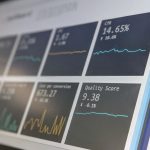
In an age where conversations unfold in real time across social media, forums, blogs, podcasts, and review sites, brands can no longer afford to guess what people are saying about them. They must listen. Social listening tools like Brandwatch empower businesses to track mentions, analyze sentiment, and uncover emerging trends across platforms. These tools turn unstructured online chatter into actionable insights that shape marketing, customer service, public relations, and product development strategies.
TLDR: Social listening tools such as Brandwatch help businesses monitor online conversations, track brand mentions, and analyze trends across multiple platforms. They provide real-time insights into sentiment, competitor activity, and consumer behavior. By using advanced analytics and AI-powered dashboards, brands can respond faster, refine strategies, and stay ahead of market shifts.
What Are Social Listening Tools?
Social listening goes beyond simply counting likes and shares. It involves collecting online conversations about a brand, competitor, industry, or topic and analyzing them for insights. Tools like Brandwatch aggregate data from:
- Social media platforms (Facebook, Instagram, X, LinkedIn, TikTok)
- Online forums and discussion boards
- News websites and blogs
- Review platforms
- Video sharing platforms
- Podcasts and comment sections
Unlike basic monitoring tools, social listening platforms apply natural language processing (NLP) and AI-driven analysis to extract trends, detect sentiment, and highlight emerging conversations.
How Social Listening Tools Work
Most advanced platforms operate using a multi-step approach:
- Data Collection: Crawling and collecting publicly available content across digital platforms.
- Filtering and Categorization: Identifying relevant mentions using keyword tracking and Boolean search logic.
- Sentiment Analysis: Determining whether conversations are positive, neutral, or negative.
- Trend Detection: Spotting spikes or unusual activity in real time.
- Reporting and Visualization: Providing dashboards, alerts, and exportable insights.
This structured system allows companies to go beyond anecdotal observations and rely on data-backed decisions.

Key Benefits of Social Listening Tools
1. Real-Time Brand Monitoring
Modern consumers expect immediate engagement. Social listening tools alert teams when their brand is mentioned online, allowing them to:
- Respond quickly to customer questions
- Address complaints before they escalate
- Amplify positive testimonials
This reduces reputational risk and improves overall brand perception.
2. Sentiment Analysis and Emotional Insight
Understanding whether mentions are positive or negative is crucial. Advanced AI systems analyze tone, context, and phrasing to determine public sentiment. Over time, this reveals:
- Shifts in brand perception
- Effects of marketing campaigns
- Customer reactions to product launches
3. Competitor Intelligence
Listening does not stop at one’s own brand. Businesses can track competitor mentions to compare:
- Market share of voice
- Customer sentiment
- Emerging product feedback
- Campaign engagement levels
This enables data-driven benchmarking and strategic adjustments.
4. Trend Identification
Spotting trends early can provide a competitive advantage. Social listening tools analyze conversation spikes and keyword patterns to identify:
- Viral content themes
- Industry shifts
- Seasonal demand patterns
- Cultural moments influencing buying behavior
Organizations can then tailor messaging and offerings to align with consumer interests.
5. Crisis Management
Negative sentiment can spread rapidly. Social listening platforms help crisis response teams detect issues at their earliest stages. Automated alerts notify stakeholders when unusual activity or negative spikes occur, enabling swift intervention.
Popular Social Listening Tools Compared
There are several robust platforms that help businesses track mentions and trends. Below is a comparison of widely used tools.
| Tool | Strengths | Best For | Notable Features |
|---|---|---|---|
| Brandwatch | Enterprise level analytics, deep data access | Large brands and agencies | Advanced AI insights, customizable dashboards, image recognition |
| Talkwalker | Strong real time monitoring | Global organizations | Visual analytics, predictive analytics, crisis alerts |
| Sprout Social | User friendly interface | SMBs and marketing teams | Integrated publishing, social CRM, engagement tracking |
| Meltwater | Media and news monitoring focus | PR professionals | Media database, influencer tracking, sentiment analysis |
| Hootsuite Insights | Integrated with scheduling platform | Teams managing multiple accounts | Keyword monitoring, trend tracking, performance analytics |
How Businesses Use Social Listening Insights
Marketing Strategy Development
Marketing teams analyze conversations to understand what resonates with audiences. By studying keyword clusters and engagement metrics, they can:
- Create content aligned with trending topics
- Optimize ad messaging
- Target audience segments more precisely
Product Innovation
Feedback shared online can serve as free focus group data. Companies monitor recurring complaints or feature requests to improve products or design new offerings based on actual demand.
Customer Experience Enhancement
By identifying friction points early, brands can adjust policies, refine customer service scripts, and enhance support resources.
Influencer Discovery
Social listening tools reveal who is driving conversations in specific niches. Brands can identify:
- High engagement creators
- Industry thought leaders
- Micro influencers with loyal communities
This enhances partnership strategies and influencer marketing campaigns.
Key Features to Look for in a Social Listening Tool
When selecting a platform, businesses should evaluate:
- Data Coverage: Does it monitor all relevant channels?
- Boolean Search Capabilities: Can users refine queries precisely?
- Real Time Alerts: How fast are notifications delivered?
- Sentiment Accuracy: Is sentiment analysis reliable and customizable?
- Reporting Flexibility: Are dashboards exportable and shareable?
- Integration Options: Does it connect with CRM or analytics systems?
- Scalability: Can it handle growing data volumes?
Enterprise organizations often prioritize depth of analysis, while smaller companies may value ease of use and cost efficiency.
Challenges and Limitations
Despite their capabilities, social listening tools are not flawless. Users may encounter:
- Data Gaps: Privacy restrictions limit access to certain platforms.
- Context Misinterpretation: AI may struggle with sarcasm or nuanced language.
- Overwhelming Data Volume: Without properly configured filters, insights can become diluted.
- Cost Barriers: Enterprise grade tools can be expensive.
Strategic setup and continuous refinement are necessary to maximize accuracy and relevance.
The Future of Social Listening
The landscape of digital conversation continues to evolve. Emerging developments include:
- AI Powered Predictive Analytics: Forecasting trends before they peak
- Image and Video Recognition: Identifying logos and products within visual content
- Voice Monitoring: Tracking mentions in podcasts and audio content
- Deeper Consumer Segmentation: Mapping detailed audience personas
As algorithms improve, social listening tools will move from reactive analysis to proactive recommendation engines, helping brands anticipate change rather than simply respond to it.
Conclusion
Social listening tools like Brandwatch have transformed how businesses understand and engage with their audiences. By combining data aggregation, AI-driven analysis, and real-time monitoring, these platforms provide visibility into conversations happening across the digital ecosystem. From managing reputation and tracking competitors to identifying trends and refining marketing strategies, social listening has become an essential component of modern brand strategy.
Organizations that invest in the right technology and adopt a structured listening strategy gain not just insights—but a competitive edge rooted in real customer voices.
Frequently Asked Questions (FAQ)
1. What is the difference between social monitoring and social listening?
Social monitoring tracks mentions and engagement metrics, while social listening analyzes conversations for deeper insights such as sentiment, trends, and strategic implications.
2. Are social listening tools only for large enterprises?
No. While enterprise platforms offer advanced capabilities, many tools cater to small and mid-sized businesses with scalable pricing models.
3. Can social listening tools track private conversations?
No. These tools only access publicly available data due to privacy regulations and platform policies.
4. How accurate is sentiment analysis?
Accuracy varies depending on AI sophistication and language complexity. Most leading platforms continuously refine their models to improve contextual understanding.
5. How often should companies review social listening data?
Critical alerts should be monitored in real time, while broader trend analysis can be conducted weekly or monthly depending on business objectives.
6. Can social listening improve ROI?
Yes. By optimizing campaigns, preventing crises, and identifying market opportunities early, companies often achieve higher engagement, better customer retention, and improved marketing efficiency.