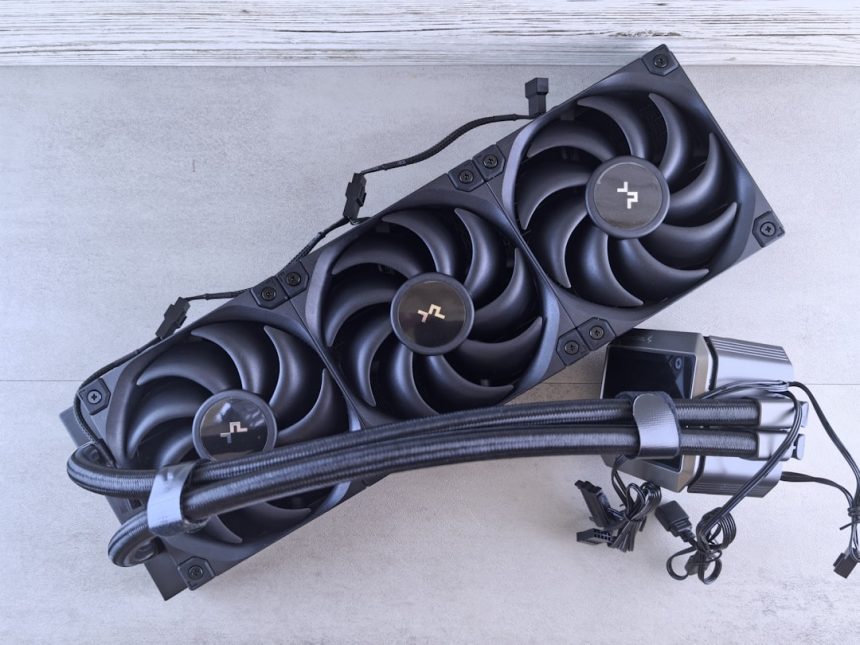
Refurbished PC components have become increasingly popular as hardware prices fluctuate and enthusiasts look for ways to build or upgrade systems on a budget. Graphics cards and CPUs often steal the spotlight, but cooling solutions—especially CPU coolers—are also widely available in refurbished form. That raises a practical question: Should you buy a refurbished CPU cooler? The answer depends on your priorities, your build, and how comfortable you are evaluating used hardware.
TLDR: Buying a refurbished CPU cooler can save you money and deliver solid performance, especially for high-end air coolers that age well. However, you must carefully inspect fan condition, mounting hardware, thermal contact surfaces, and warranty coverage. Liquid coolers carry more risk than air coolers due to pump wear and potential leaks. If the price difference is meaningful and the seller is reputable, a refurbished unit can be a smart buy.
Why Consider a Refurbished CPU Cooler?
CPU coolers are relatively durable components, particularly air coolers, which consist mainly of metal heatsinks and replaceable fans. Unlike CPUs or GPUs, they don’t rely heavily on fragile silicon or complex circuitry. This makes them good candidates for refurbishment.
Here are a few reasons people opt for refurbished coolers:
- Cost savings: High-end air coolers and AIO liquid coolers can be expensive. Refurbished options often cost 20–40% less.
- Access to premium models: You might afford a premium dual-tower air cooler refurbished for the price of a mid-range new one.
- Environmental benefits: Reusing hardware reduces electronic waste and extends product life cycles.
- Short-term builds: For test benches or temporary systems, a refurbished cooler may be perfectly adequate.
That said, not all coolers age equally, and not all refurbishments are equal in quality. Let’s look at the advantages and disadvantages in more detail.
The Pros of Buying a Refurbished CPU Cooler
1. Significant Savings on High-End Models
Top-tier air coolers are built with thick aluminum fins, copper heat pipes, and sturdy mounting systems. These materials don’t degrade quickly. If you find a refurbished premium model at a substantial discount, the value proposition can be excellent.
Even liquid AIO coolers, if factory-refurbished, may come with tested pumps and replaced fans—helping you access stronger thermal performance without paying full retail.
2. Air Coolers Are Mechanically Simple
Air coolers have very few failure points:
- Heatsink structure
- Heat pipes
- Fans
- Mounting hardware
Heatsinks rarely fail unless physically damaged. Fans are replaceable and inexpensive. This simplicity makes refurbished air coolers relatively low-risk compared to other PC parts.
3. Manufacturer-Certified Refurbishment Can Be Reliable
If you buy directly from the manufacturer or an authorized reseller, the cooler often undergoes:
- Inspection and cleaning
- Fan replacement (if needed)
- Fresh thermal accessories included
- Quality control testing
Some even come with a limited warranty, which significantly reduces buyer risk.
The Cons of Buying a Refurbished CPU Cooler
1. Unknown Usage History
You typically don’t know:
- How long it was used
- Whether it was run under heavy overclocked loads
- If it experienced improper installation or transport damage
Liquid coolers in particular may have pumps that have already used up a large portion of their lifespan.
2. Missing or Damaged Mounting Hardware
One of the most common issues with refurbished or open-box CPU coolers is incomplete mounting kits. A missing AMD bracket or Intel backplate can quickly eliminate any savings if replacements are difficult to obtain.
3. Risk with Liquid AIO Coolers
Unlike air coolers, AIO liquid coolers contain:
- A mechanical pump
- Sealed liquid coolant
- Tubing and radiator
Over time, pumps wear out and coolant can slowly evaporate through permeable tubing. Even if refurbished, these systems may not last as long as new ones. Additionally, while rare, leaks—however small—pose a risk to other components.
4. Shorter or No Warranty
Many new coolers offer multi-year warranties. Refurbished units may include only 90 days—or none at all. That reduced safety net should factor into your purchase decision.
Air vs. Liquid: Risk Comparison
If you’re debating refurbished options, it helps to compare the relative reliability of cooler types.
| Factor | Refurbished Air Cooler | Refurbished AIO Liquid Cooler |
|---|---|---|
| Failure Points | Low (mostly fan) | Moderate to High (pump, liquid, seals) |
| Longevity Risk | Low | Medium to High |
| Ease of Repair | High (replace fan) | Very Limited |
| Best For | Budget and long-term builds | Short-term or discounted high-end builds |
Conclusion: Refurbished air coolers are generally safer purchases than refurbished AIO liquid coolers.
What to Check Before Buying
If you’re considering a refurbished CPU cooler, evaluate these critical areas first.
1. Verify Compatibility
- Socket support (AM4, AM5, LGA1700, etc.)
- Case clearance (height for air coolers)
- Radiator size support for AIO units
Ensure the necessary brackets are included and compatible with your platform.
2. Inspect the Cold Plate
The metal base that contacts your CPU should be:
- Smooth and free of gouges
- Not deeply scratched
- Not warped
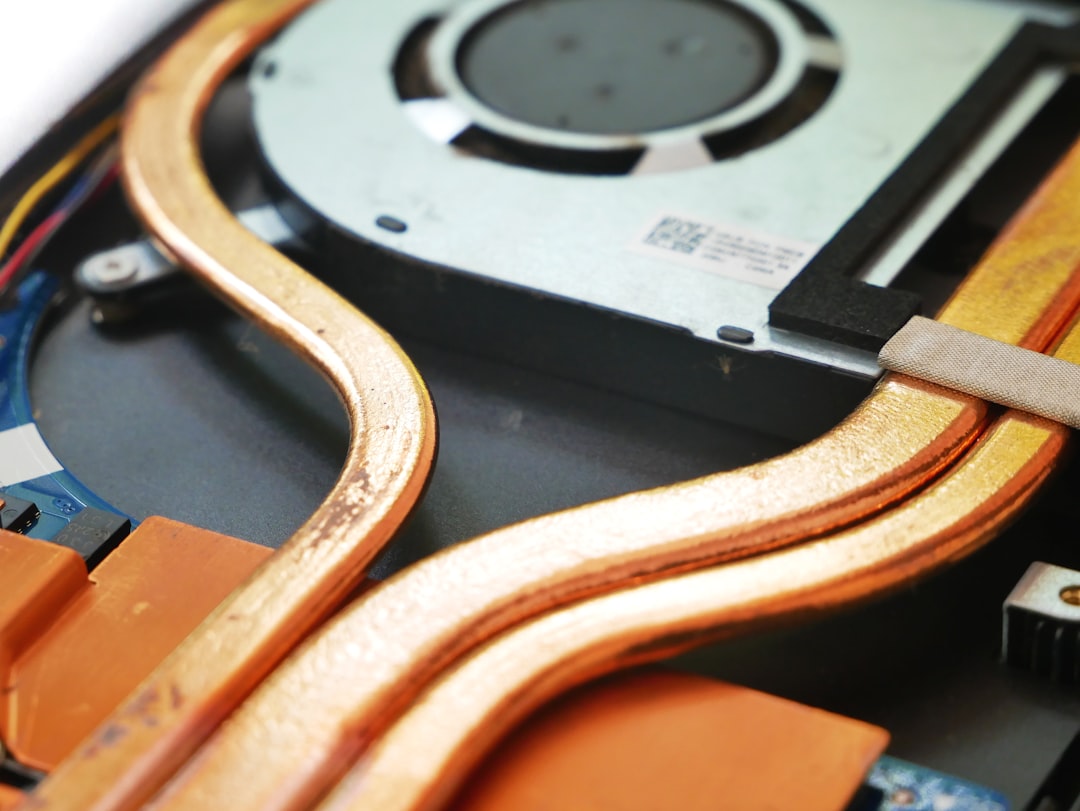
Light cosmetic marks are normal, but deep damage can hurt thermal performance.
3. Check the Fans
Fans are the most common wear point. Look for:
- Rattling or grinding noises
- Wobbling blades
- Broken mounting clips
If the fan seems questionable but the heatsink is solid, factor in the cost of replacement fans when calculating value.
4. Ask About Testing (Especially for AIOs)
For liquid coolers, confirm:
- Pump operation was tested
- No leaks were detected
- Noise levels are within normal range
If the seller cannot verify these points, proceed cautiously.
5. Compare Price vs. New
A refurbished cooler should feel like a meaningful deal. If the difference is only 10–15%, buying new—with a full warranty—usually makes more sense.
When a Refurbished Cooler Makes the Most Sense
You’re more likely to benefit from buying refurbished if:
- You’re building on a tight budget
- You need a strong cooler for a mid-range CPU
- You’re comfortable replacing fans if necessary
- You’re buying manufacturer-certified refurbished
It is particularly appealing for robust, well-reviewed air coolers with proven long-term reliability.
When You Should Probably Buy New
You may want to skip refurbished options if:
- You’re cooling a high-end overclocked CPU
- You want maximum warranty protection
- You’re buying a complex AIO with a small discount
- You’re unfamiliar with evaluating used hardware
For mission-critical or showcase systems, the peace of mind of new hardware often outweighs modest savings.
Final Verdict: Is It Worth It?
Buying a refurbished CPU cooler isn’t inherently risky—but it’s not risk-free either. Air coolers are generally solid candidates because of their simple, durable design and replaceable components. A well-priced refurbished dual-tower cooler can perform nearly identically to new for years.
Refurbished liquid AIO coolers present more uncertainty due to pump lifespan and coolant aging. Unless the discount is significant and backed by a warranty, they are usually a more cautious proposition.
Ultimately, the decision comes down to three questions:
- Is the price difference substantial?
- Is the seller reputable?
- Are you comfortable inspecting and installing the part carefully?
If the answers align in your favor, a refurbished CPU cooler can be a smart, cost-effective addition to your PC build. If not, spending a little extra on new hardware might buy you something even more valuable than performance: peace of mind.