
Organizations today operate in a threat landscape where a single exposed credential can lead to catastrophic damage. From cloud infrastructure keys to database passwords and API tokens, sensitive data is constantly at risk of leakage, misuse, or misconfiguration. Secrets management tools like HashiCorp Vault provide a structured, secure, and auditable way to store and control access to sensitive information. In environments increasingly driven by automation and distributed systems, managing secrets manually is no longer viable—nor safe.
TL;DR: Secrets management tools such as HashiCorp Vault help organizations centrally store, control, and audit access to sensitive data like passwords, API keys, and encryption keys. They reduce the risk of breaches by enforcing strict access controls, encryption, and dynamic credential generation. Vault and similar tools also improve operational efficiency by automating secret rotation and lifecycle management. For modern cloud-native and hybrid systems, proper secrets management is a non-negotiable security requirement.
Why Secrets Management Matters
Sensitive data—commonly referred to as “secrets”—includes:
- Database credentials
- SSH keys
- Cloud provider access keys
- API tokens
- Encryption keys and TLS certificates
Historically, many organizations stored secrets in plain text configuration files, embedded them in source code, or shared them via email. These practices expose businesses to severe risks, including insider threats, accidental leaks through version control systems, and exploitation by external attackers.
Modern compliance frameworks and regulations—such as ISO 27001, SOC 2, HIPAA, and GDPR—require strict control over how sensitive information is stored, accessed, and audited. Failing to implement robust secrets management not only increases the likelihood of breaches but also jeopardizes regulatory compliance.

What Is a Secrets Management Tool?
A secrets management tool is a centralized system designed to:
- Securely store sensitive information
- Control and restrict access using authentication and authorization policies
- Audit all access activity
- Rotate and revoke secrets automatically
- Encrypt data both at rest and in transit
HashiCorp Vault is one of the most widely adopted solutions in this space. It provides organizations with a unified interface to manage secrets across on-premises, cloud, and hybrid environments.
Core Security Principles Behind HashiCorp Vault
1. Centralization of Secrets
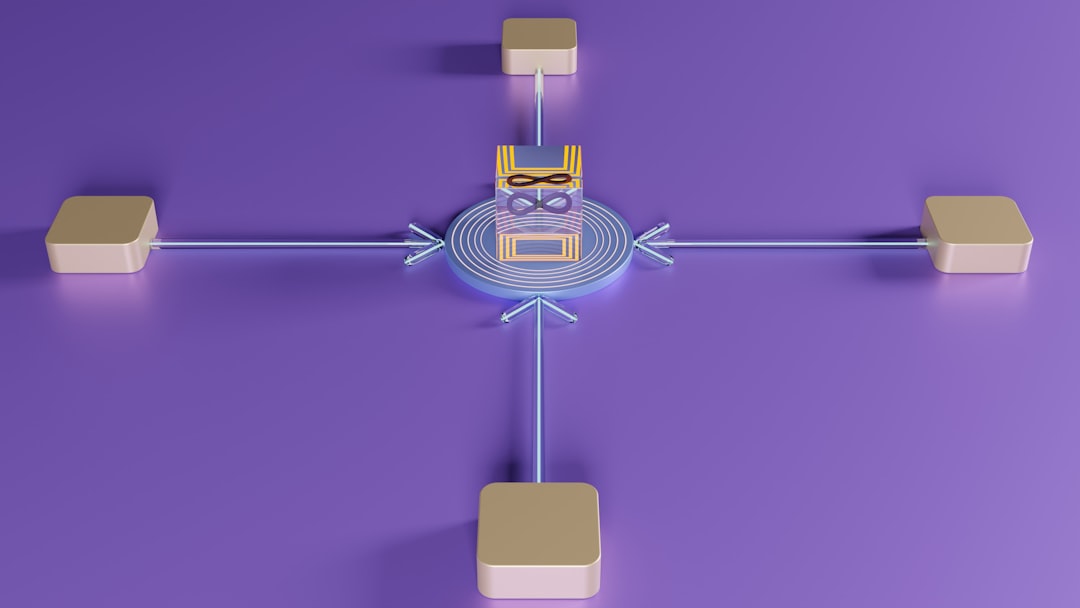
Vault eliminates the fragmentation caused by scattered credentials across multiple systems. Instead of storing secrets in application code or configuration files, organizations store them in a centralized system with tight access controls. This drastically reduces the attack surface.
2. Strong Authentication and Authorization
Vault integrates with various authentication methods, including:
- LDAP and Active Directory
- Kubernetes service accounts
- Cloud IAM systems
- Multi-factor authentication providers
Once authenticated, users and systems are governed by strict policies that define exactly what secrets they can access and what actions they can perform.
3. Encryption as a Default
Vault encrypts data both at rest and in transit. Even in the unlikely event that storage backend data is exposed, the ciphertext alone is not useful without access to the encryption keys managed by Vault.
4. Lease and Renewal Model
One of Vault’s distinct features is its lease-based approach to secrets. Secrets are not granted indefinitely—they expire after a predefined period. Applications must renew them, reinforcing continuous validation and limiting risk from unused or abandoned credentials.
Dynamic Secrets: A Game Changer
Traditional credential management often involves static usernames and passwords that remain valid for extended periods. This creates a long window of vulnerability if credentials are exposed.
Vault introduces dynamic secrets, which are generated on demand and automatically revoked when no longer needed. For example:
- A temporary database user with limited privileges is created when an application requests access.
- Credentials expire after minutes or hours.
- The system automatically removes the database user after expiration.
This approach offers substantial security improvements:
- Reduced exposure time for leaked credentials
- Prevention of credential reuse
- Minimized impact of insider threats
Key Features of HashiCorp Vault
HashiCorp Vault is designed to address both security and operational challenges. Its feature set includes:
Secrets Engines
Vault supports multiple secrets engines tailored for specific use cases:
- Key/value storage for generic secrets
- Database secrets engine for dynamic DB credentials
- Cloud secrets engines for AWS, Azure, and GCP
- PKI engine for managing certificates
- Transit engine for encryption as a service
Audit Logging
Every request to Vault can be logged, providing complete visibility into who accessed what and when. This level of logging is essential for forensic analysis and regulatory compliance.
Sealing and Unsealing
Vault uses a “seal” mechanism to protect encryption keys. When sealed, Vault cannot decrypt stored secrets. This adds a layer of protection, especially during system restarts or in disaster recovery scenarios.
High Availability and Scalability
Vault supports clustering and replication, ensuring that organizations can maintain availability and performance even in distributed or large-scale environments.
Common Use Cases
1. Securing CI/CD Pipelines
Continuous integration and deployment pipelines often require credentials to deploy code, access registries, or update infrastructure. Vault enables secure injection of temporary credentials into pipelines without exposing them in build logs or configuration files.
2. Microservices and Kubernetes Environments
Modern microservices architectures involve numerous interconnected services that communicate securely. Vault integrates with Kubernetes to authenticate pods and inject secrets directly into containers in a secure and controlled manner.
3. Encryption as a Service
Vault’s transit engine allows applications to encrypt and decrypt data without managing encryption keys themselves. This reduces development complexity and ensures consistent cryptographic standards.
4. Human Access Control
System administrators and developers may require privileged credentials for short periods. Vault can issue time-limited credentials that automatically expire, removing the need for shared “root” accounts.
Operational Benefits
Beyond security improvements, Vault provides operational advantages:
- Automated rotation of passwords and keys
- Reduced manual configuration
- Consistent policy enforcement
- Simplified compliance reporting
Automation reduces the likelihood of human error—a leading cause of data breaches. By shifting secret handling from developers to centralized policies, organizations standardize their approach to sensitive data.
Security Considerations and Best Practices
While Vault significantly improves security posture, proper configuration and governance remain critical.
Recommended best practices include:
- Implement least-privilege access policies
- Enable detailed audit logging
- Regularly review and rotate root tokens
- Secure the underlying infrastructure
- Use integrated hardware security modules (HSMs) if required
Secrets management does not eliminate the need for network security, endpoint protection, or monitoring. Instead, it complements broader defense-in-depth strategies.
Alternatives and Complementary Solutions
While HashiCorp Vault is widely recognized, other solutions exist, including:
- Cloud-native secrets managers (AWS Secrets Manager, Azure Key Vault, Google Secret Manager)
- Kubernetes-native tools
- Enterprise password management systems
The right choice depends on organizational size, architecture, regulatory requirements, and operational capabilities. For multi-cloud or hybrid deployments, a platform-agnostic solution like Vault often provides greater flexibility.
The Strategic Importance of Secrets Management
Cyberattacks increasingly target credentials rather than infrastructure vulnerabilities. Attackers know that valid credentials allow them to bypass perimeter defenses and move laterally within systems undetected.
Secrets management tools like HashiCorp Vault directly address this modern attack vector by reducing credential lifespan, strengthening access controls, and ensuring comprehensive auditability.
As organizations scale their digital operations, the complexity of managing secrets grows exponentially. Manual processes and ad hoc storage mechanisms simply cannot keep pace. A structured, centralized, and automated approach is essential.
Conclusion
In a landscape defined by automation, cloud computing, and distributed architectures, secrets management has become a cornerstone of cybersecurity strategy. HashiCorp Vault represents a mature and comprehensive approach to protecting sensitive information across diverse environments.
By embracing centralized control, encryption, dynamic credentials, and detailed audit logging, organizations significantly reduce the risk of unauthorized access and data breaches. More importantly, they build a security foundation aligned with modern compliance and operational demands.
Organizations that treat secrets management as a strategic priority—not just a technical implementation detail—are better positioned to secure their systems, protect their data, and maintain stakeholder trust in an increasingly complex digital world.