

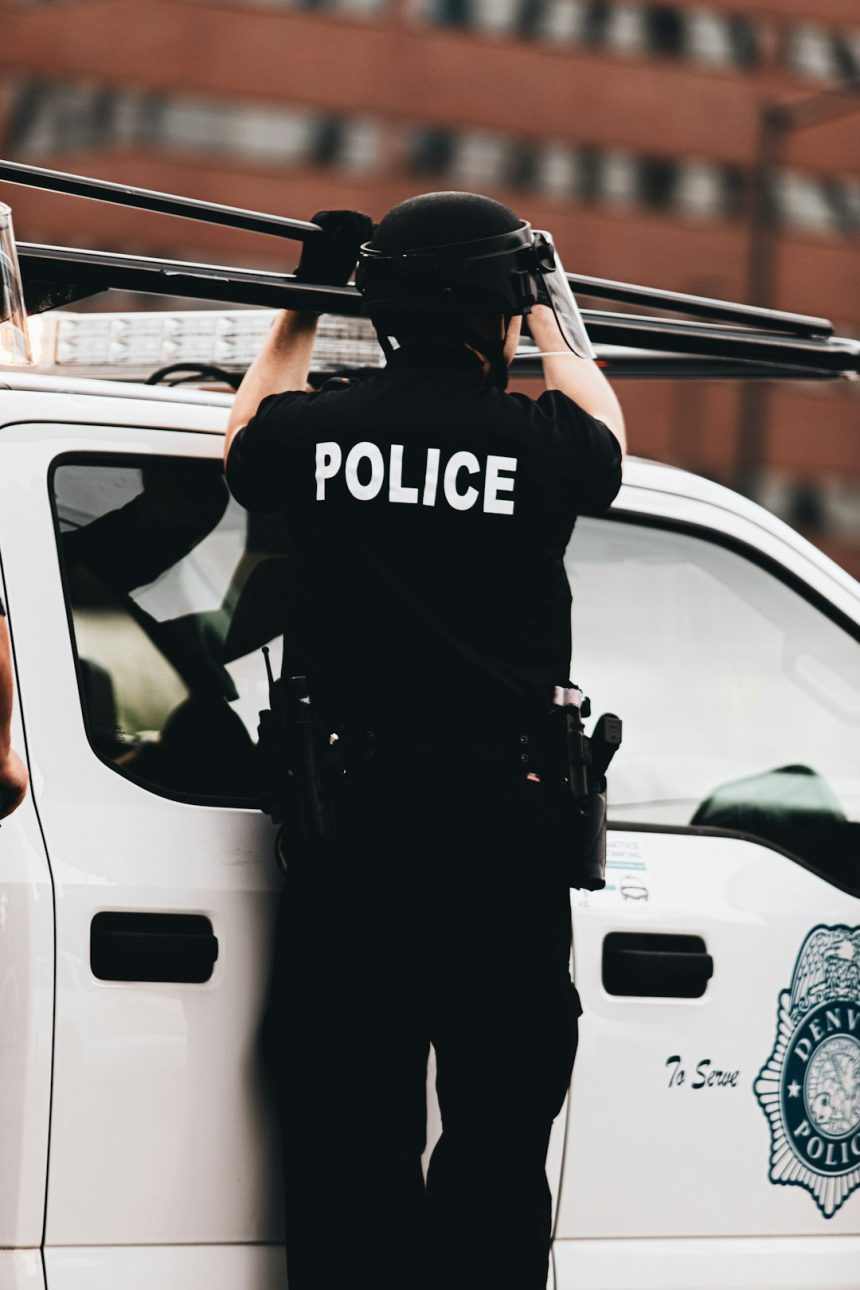
In law enforcement, a business card is more than a convenient way to share contact details. It is a small but important representation of authority, accessibility, and public trust. Whether used by patrol officers, detectives, command staff, community outreach teams, or department administrators, a well-designed police business card can support clear communication while reinforcing professionalism.
TLDR: Police business cards should be professional, easy to read, and consistent with department standards. Officers and detectives should include only appropriate contact details, while departments may benefit from cards tailored for public outreach, investigations, recruitment, or victim services. Strong design choices include official colors, clean typography, high-quality card stock, and carefully selected security-conscious details. The best cards communicate credibility without appearing overly decorative or informal.
Why Police Business Cards Still Matter
Despite the widespread use of email, department websites, and digital communication platforms, printed business cards remain valuable in policing. They are quick to hand to a citizen after a call for service, useful during interviews, and appropriate during interagency meetings or community events. A card can help a resident remember who assisted them, how to follow up, and where to direct future information.
For officers, a card can reduce confusion and improve public confidence. For detectives, it can encourage witnesses, victims, and community contacts to reach out with additional information. For departments, it provides a consistent and controlled way to present official contact information while maintaining a professional identity.
The goal is not to create a flashy marketing item. The goal is to provide a reliable, respectful, and official communication tool.
Core Information Every Police Business Card Should Include
A police business card should be simple, accurate, and easy to verify. The most effective cards include essential information without overcrowding the design. At a minimum, consider including:
- Name and rank: For example, Officer, Sergeant, Detective, Lieutenant, Captain, or Chief.
- Agency or department name: Use the official department name exactly as approved.
- Badge or employee number: Include this only if permitted by department policy.
- Division or unit: Patrol, Investigations, Traffic, Community Services, Special Victims, or another assignment.
- Official phone number: This may be a desk line, department line, or voicemail extension.
- Official email address: Avoid personal email accounts.
- Department address: Include the headquarters, station, precinct, or unit address when appropriate.
- Emergency reminder: A short line such as “For emergencies, call 911” is often helpful.
Cards should avoid unnecessary personal information. In many cases, a direct mobile number should only be included when authorized. Officers should also be cautious about including social media profiles unless they are official department accounts.
Design Principles for a Professional Law Enforcement Card
Police business cards should communicate reliability at a glance. The design should be authoritative, but not intimidating. A clean layout, restrained color palette, and strong hierarchy of information are usually more effective than busy backgrounds or oversized graphics.
Recommended design principles include:
- Use official colors: Navy blue, black, silver, white, gray, and gold are commonly associated with law enforcement professionalism.
- Keep typography clear: Choose readable fonts and avoid decorative lettering.
- Leave enough white space: Crowded cards appear less official and are harder to read.
- Use high contrast: Contact details should be easily legible in low-light conditions.
- Maintain consistency: Cards should match department letterhead, patches, vehicle markings, and other official materials.
If a badge, seal, or patch is used, it should be displayed respectfully and accurately. Distorted seals, low-resolution images, or unofficial badge artwork can weaken credibility. Departments should maintain approved digital files for all official card designs.
Business Card Ideas for Patrol Officers
Patrol officers interact directly with the public in a wide range of situations. Their cards should be practical, reassuring, and clear. A patrol officer’s card may be handed to a citizen after a report, a motorist after a traffic matter, or a business owner after a neighborhood concern.
Good patrol card ideas include:
- Incident follow-up format: Include a blank line on the back for a case number, report number, or date of contact.
- Shift or district information: If appropriate, list the patrol district, precinct, or beat assignment.
- Non-emergency number: This helps direct future calls away from emergency lines when the matter is not urgent.
- Community policing message: A brief statement such as “Serving our community with integrity and respect” can be effective if it aligns with the department’s values.
The back of the card can be especially useful for patrol contexts. A simple note area allows the officer to write a report number, appointment time, or follow-up instruction. This makes the card more functional without cluttering the front.
Business Card Ideas for Detectives and Investigators
Detectives often use business cards in sensitive, complex, and ongoing matters. Their cards should project competence, confidentiality, and seriousness. Witnesses, victims, attorneys, and partner agencies may all rely on detective cards for accurate contact information.
Detective business cards may include:
- Investigative unit name: Homicide, Fraud, Narcotics, Cybercrime, Property Crimes, Domestic Violence, or Major Crimes.
- Case reference area: A small space on the back for a case number or investigation name.
- Secure contact guidance: A note such as “Please reference your case number when calling” can improve communication.
- Office hours or voicemail instructions: Helpful when detectives manage heavy caseloads.
Detective cards should avoid anything that looks theatrical or overly dramatic. Dark backgrounds can work well, but readability must remain the priority. A subtle badge watermark, department seal, or simple line pattern may add distinction while preserving seriousness.

Business Card Ideas for Police Departments
Department-level cards serve a broader purpose than individual cards. They may be used at public meetings, recruitment events, school programs, senior safety presentations, neighborhood watch gatherings, and civic partnerships. In these settings, the card represents the department as an institution rather than a single employee.
Useful department card options include:
- General information cards: Include main phone numbers, non-emergency dispatch, records division, and website information.
- Community outreach cards: Provide contact details for community policing officers, school resource officers, or public information staff.
- Recruitment cards: Include hiring unit contact information and a QR code leading to official application information.
- Victim support cards: List victim services, crisis hotlines, advocacy contacts, and report follow-up instructions.
- Business security cards: Provide crime prevention contact details for local businesses and property managers.
These cards should be handled with special care because they may circulate widely. All public-facing contact information should be current, monitored, and approved. If a card contains resource numbers, they should be checked regularly to prevent outdated or incorrect referrals.
Using QR Codes Responsibly
QR codes can make police business cards more useful, but they must be used responsibly. A QR code may link to an official department webpage, online report request page, recruitment portal, public records instructions, or victim assistance resources. However, it should never direct users to an unofficial site or a page that may change without notice.
When using QR codes, departments should follow these practices:
- Use only official domains: Citizens should be able to recognize the link as legitimate.
- Label the code clearly: For example, “Scan for official department resources.”
- Test before printing: Verify scanning distance, contrast, and mobile compatibility.
- Maintain the destination page: Broken links reduce trust and create confusion.
A QR code should support the card, not dominate it. If space is limited, place the code on the back with a short explanation.
Security, Privacy, and Policy Considerations
Police business cards must be designed with operational security in mind. Departments should establish standards regarding what information may appear on cards and who may approve the design. This is especially important for specialized units, undercover assignments, task force personnel, and officers involved in sensitive investigations.
Important considerations include:
- Do not include unauthorized personal numbers.
- Do not imply authority outside the officer’s actual role or jurisdiction.
- Do not use unofficial badges, seals, or slogans.
- Do not include confidential unit locations if they are not public.
- Do not print outdated ranks, assignments, or contact details.
Every card should reflect current employment status and official responsibilities. When an officer transfers units or is promoted, old cards should be replaced promptly to prevent confusion.
Paper, Finish, and Durability
The physical quality of a police business card matters. Thin or flimsy cards may appear careless, while overly glossy cards can be difficult to write on. A sturdy matte or satin finish is often the best choice because it looks professional and allows officers to add notes when needed.
Common finish options include:
- Matte finish: Professional, readable, and easy to write on.
- Satin finish: Slightly polished without excessive glare.
- Soft touch finish: Refined and formal, useful for command staff or department leadership.
- Spot gloss: Can highlight a badge or seal, but should be used sparingly.
Standard card sizes are usually preferred because they fit wallets, card holders, and report folders. Unusual shapes may attract attention, but they can appear less official and may be inconvenient for citizens.

Specialized Card Concepts
Different roles within a department may require different card formats. A single template can be adapted across units while preserving a consistent identity. For example, the front may remain standardized, while the back changes according to the card’s purpose.
- School resource officers: Include school assignment, department contact, and youth safety resource information.
- Traffic officers: Add accident report instructions or a reference line for citation-related questions.
- K9 units: Use restrained K9 imagery only if approved and consistent with department standards.
- Public information officers: Include media inquiry instructions and official press contact details.
- Recruiters: Add hiring information, minimum requirements, and an official recruitment QR code.
Specialized cards should still look like they belong to the same agency. Consistency helps citizens recognize official communication and prevents fragmented branding.
Final Recommendations
A strong police business card is formal, useful, and trustworthy. It should provide clear contact information, reflect the officer’s role accurately, and support the department’s responsibility to communicate with the public. The best designs are not complicated; they are disciplined, legible, and aligned with official standards.
Before printing, departments should review every card for spelling, rank accuracy, phone numbers, email addresses, policy compliance, and visual consistency. Officers and detectives should also consider how the card will be used in real situations: at a front door, beside a patrol vehicle, in an interview room, at a public meeting, or during a difficult conversation with a victim or witness.
Ultimately, police business cards should reinforce confidence. When designed thoughtfully, they help officers remain accessible, help citizens know where to turn, and help departments present themselves with the seriousness and integrity their role requires.