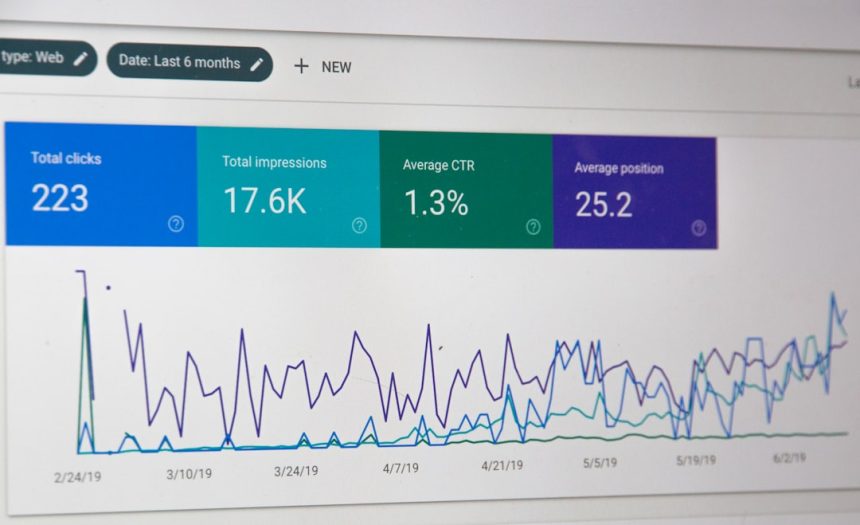
In a fast-paced business environment, setting goals isn’t enough—you need a reliable way to track, measure, and adapt them. That’s where OKR management software comes in. Designed to help organizations define and monitor Objectives and Key Results, these tools bring clarity, accountability, and agility to teams of all sizes. Whether you’re a startup scaling quickly or an enterprise aligning thousands of employees, the right OKR platform can transform strategy into measurable impact.
TLDR: OKR management software helps organizations define clear objectives and track measurable results in real time. It centralizes goal setting, improves team alignment, and boosts accountability. The best tools offer dashboards, integrations, analytics, and collaboration features. Choosing the right platform depends on company size, budget, and desired functionality.
What Is OKR Management Software?
OKR management software is a digital platform that enables organizations to set, track, and measure objectives and key results across teams and departments. Unlike traditional goal-setting methods stored in spreadsheets or slide decks, OKR software provides:
- Centralized goal tracking
- Real-time progress updates
- Transparency across teams
- Data-driven performance insights
The framework itself consists of:
- Objectives: Clear, inspiring goals that define what you want to achieve.
- Key Results: Quantifiable metrics that measure progress toward each objective.
While the methodology is simple, managing multiple OKRs across an organization can quickly become complex. That’s why specialized software makes such a difference.

Why Manual Tracking Fails
Many companies attempt to manage OKRs using spreadsheets, email updates, or static presentations. This approach often creates:
- Version control issues
- Lack of visibility
- Minimal accountability
- Data silos between departments
Without automation and centralized visibility, teams struggle to understand how their work connects to broader company goals. Over time, objectives become disconnected from strategy—and motivation declines.
OKR management software solves these problems by ensuring:
- Alignment from executive leadership to frontline employees
- Regular check-ins and automated reminders
- Performance tracking tied directly to measurable outcomes
- Actionable insights for better decision-making
Key Features to Look For
Not all OKR tools are created equal. The most effective platforms typically offer the following features:
1. Goal Alignment Mapping
Visual hierarchy mapping shows how individual, team, and company objectives connect. This improves strategic clarity and reinforces purpose.
2. Real-Time Dashboards
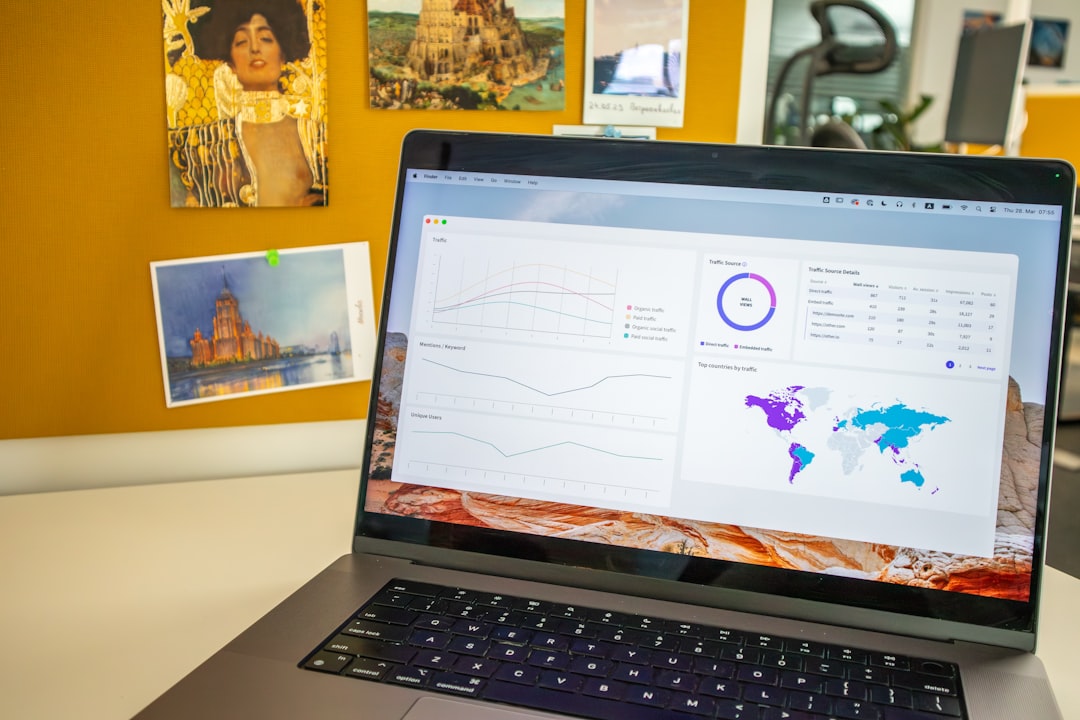
Dynamic dashboards allow managers and executives to instantly monitor progress. Color-coded indicators highlight which goals are on track—and which need attention.
3. Check-Ins and Progress Updates
Weekly or biweekly check-ins keep OKRs active rather than forgotten. Automated reminders encourage consistent engagement.
4. Integrations
Top software integrates with tools such as Slack, Microsoft Teams, Jira, Asana, and CRM platforms to streamline workflows.
5. Reporting and Analytics
Advanced analytics help companies identify trends, measure performance over time, and adjust strategies proactively.

Benefits of Using OKR Management Software
1. Improved Alignment
When everyone sees how their work supports company objectives, focus improves dramatically. Silos shrink, and collaboration increases.
2. Greater Transparency
Public OKRs foster openness. Employees understand leadership priorities and progress, building trust throughout the organization.
3. Stronger Accountability
Clear ownership of objectives and measurable key results ensures responsibility isn’t vague. Each metric has a designated owner.
4. Increased Agility
Because OKRs typically run on quarterly cycles, organizations can adjust direction quickly based on performance data.
5. Enhanced Employee Engagement
Connecting daily tasks to meaningful objectives strengthens motivation and purpose.
Top OKR Management Software Tools
Here are several popular OKR management platforms used by businesses worldwide:
1. WorkBoard
Designed for enterprise-level organizations, WorkBoard offers robust alignment tools and strategic execution tracking.
2. Ally.io
Known for strong integrations and user-friendly dashboards, Ally.io suits mid-sized to large companies.
3. Lattice
Lattice combines OKR tracking with performance management features, ideal for HR-driven organizations.
4. Betterworks
This platform emphasizes continuous performance management alongside OKR tracking.
5. Perdoo
A visually intuitive OKR and KPI management tool designed for growing companies seeking structured strategy execution.
Comparison Chart
| Software | Best For | Key Strengths | Integrations | Scalability |
|---|---|---|---|---|
| WorkBoard | Enterprises | Strategic alignment, executive dashboards | Extensive | High |
| Ally.io | Mid to large companies | User friendly, flexible reporting | Strong | High |
| Lattice | HR focused teams | Performance management integration | Moderate to strong | Medium to high |
| Betterworks | Continuous performance cultures | Feedback and recognition tools | Strong | High |
| Perdoo | Growing businesses | Strategy mapping, KPI tracking | Moderate | Medium |
How to Choose the Right OKR Software
Selecting the right platform involves evaluating several factors:
Company Size
Larger enterprises may require advanced analytics, complex permissions, and enterprise-grade integrations. Smaller teams may prefer simpler, cost-effective solutions.
Ease of Use
If the platform is difficult to navigate, adoption will suffer. Look for clean dashboards and intuitive workflows.
Integration Capabilities
Ensure compatibility with your current technology stack to avoid workflow disruptions.
Reporting Needs
Executives often require in-depth performance analytics, while teams may need simpler progress tracking.
Budget
Consider total cost of ownership, including setup, training, and scalability costs.
Best Practices for Successful Implementation
Technology alone doesn’t guarantee success. Follow these best practices to maximize value:
- Start Small: Pilot the software with one department before company-wide rollout.
- Provide Training: Ensure all employees understand both the OKR methodology and the tool.
- Schedule Regular Reviews: Consistent check-ins maintain momentum.
- Set Clear Ownership: Assign responsible individuals to each key result.
- Avoid Overloading Objectives: Focus on 3–5 core objectives per cycle.
Common Challenges and How Software Helps
Organizations often encounter hurdles such as:
- Setting unrealistic objectives
- Measuring vague key results
- Lack of executive engagement
- Overcomplicating the framework
Advanced OKR tools counter these issues by offering:
- Templates and suggested structures
- Historical performance comparisons
- Executive reporting dashboards
- Automated scoring systems
These built-in supports make goal management systematic rather than overwhelming.
The Future of OKR Management Software
As artificial intelligence and predictive analytics continue evolving, OKR software is becoming smarter. Modern platforms are beginning to offer:
- Predictive performance forecasting
- Automated risk detection
- Intelligent goal recommendations
- Natural language performance summaries
This evolution transforms OKR management from a reactive tracking system into a proactive strategic advisor.
Final Thoughts
OKR management software does more than digitize goal setting—it creates a culture of alignment, transparency, and measurable progress. By centralizing objectives, automating tracking, and providing actionable insights, these platforms bridge the gap between strategy and execution.
In an era where agility and accountability define competitive advantage, investing in the right OKR tool can elevate performance across every level of your organization. When implemented thoughtfully, it turns ambitious goals into tangible, trackable achievements.