In today’s competitive business environment, organizations are constantly searching for smarter ways to optimize productivity and control operational costs. One of the most powerful tools helping companies achieve these goals is employee time tracking software. By providing clear visibility into how work hours are spent, these systems enable managers to make informed decisions, improve accountability, and streamline workflows without micromanaging employees.
TLDR: Employee time tracking software helps businesses monitor how time is spent, improve productivity, and reduce unnecessary costs. It provides real-time insights, simplifies payroll and compliance, and enhances team accountability. With the right features and thoughtful implementation, companies can boost efficiency while maintaining employee trust. Modern tools also offer analytics and integrations that turn raw data into actionable business insights.
Why Time Tracking Matters More Than Ever
Work environments have evolved significantly, especially with the growth of remote and hybrid teams. Managers can no longer rely solely on physical presence to gauge productivity. Instead, they must depend on measurable outcomes and transparent processes. This is where employee time tracking software becomes indispensable.
Effective time monitoring helps organizations:
- Understand how resources are allocated across projects and departments
- Identify inefficiencies and time-wasting tasks
- Improve project estimates for future planning
- Ensure accurate payroll processing
- Maintain compliance with labor laws and overtime regulations
Without reliable data, decision-makers are left with guesswork. Time tracking software transforms assumptions into measurable insights.
How Employee Time Tracking Software Works
At its core, time tracking software records when employees start and stop working, as well as how long they spend on specific tasks or projects. However, modern platforms offer far more than digital timesheets.
Most systems include features such as:
- Automated time capture
- Manual timesheet entries
- Project and task categorization
- Productivity analytics dashboards
- Integration with payroll and project management tools
Some advanced tools also provide activity monitoring, app usage tracking, and attendance management. These features allow management to assess not just how long employees are working, but how effectively their time is being used.

Boosting Productivity Through Transparency
Transparency is one of the greatest advantages of time tracking software. When employees understand how their time is recorded and evaluated, they often become more mindful of productivity.
This does not mean creating a culture of surveillance. Instead, businesses can use tracking tools to:
- Provide employees with insights into their own performance
- Help teams prioritize high-impact activities
- Reduce distractions and repetitive low-value tasks
For example, if reports show that a team spends excessive hours in meetings, leadership can restructure meeting schedules to allow for more focused work. Similarly, if certain tasks consistently exceed projected timeframes, workflows can be redesigned.
By relying on objective data, organizations foster a results-driven culture rather than one based on assumptions.
Improving Project Management and Budget Control
Project-based businesses particularly benefit from detailed time tracking. Whether in consulting, marketing, IT, or construction, knowing how long tasks actually take is critical for profitability.
Time tracking software allows project managers to:
- Set realistic timelines based on historical data
- Monitor real-time project progress
- Prevent scope creep through time audits
- Allocate team members more effectively
By comparing estimated hours with actual hours worked, companies can refine future quotes and avoid underpricing their services. This directly contributes to stronger financial performance.
Supporting Remote and Hybrid Teams
The shift toward remote work created new management challenges. Without physical oversight, many leaders worried about declining productivity. However, excessive monitoring can harm morale and trust.
Employee time tracking software offers a balanced solution. It provides:
- Clear expectations about working hours
- Proof of work for distributed teams
- Location-independent monitoring
- Centralized data accessible from anywhere

When implemented transparently, these systems actually reduce friction. Employees can demonstrate their contributions objectively, while managers gain peace of mind without constant check-ins.
Enhancing Accountability Without Micromanagement
One common misconception is that time tracking promotes micromanagement. In reality, the opposite can be true. With reliable data available, managers no longer need to repeatedly ask employees for updates.
Instead of interrupting workflow, leaders can review dashboards to see:
- Completed tasks
- Hours logged per project
- Pending assignments
- Productivity trends over time
This creates a more autonomous work environment. Employees take ownership of their schedules while managers focus on strategic goals rather than daily supervision.
Streamlining Payroll and Compliance
Manual timekeeping methods often lead to errors, disputes, and compliance risks. Incorrect overtime calculations or missing records can result in financial penalties and employee dissatisfaction.
Time tracking software simplifies administrative processes by:
- Automatically calculating total hours and overtime
- Maintaining accurate attendance logs
- Generating reports for audits
- Integrating directly with payroll systems
Accurate digital records reduce payroll mistakes and protect companies in case of labor inspections or employee claims.
Using Data Analytics to Improve Efficiency
Beyond tracking time, modern software platforms provide detailed analytics that help organizations continuously improve.
Managers can analyze:
- Peak productivity hours
- High-performing team members
- Bottlenecks in processes
- Underutilized resources
This data-driven approach enables smarter workforce planning. For instance, if analytics show that specific tasks consistently slow down production, management can invest in automation or additional training.
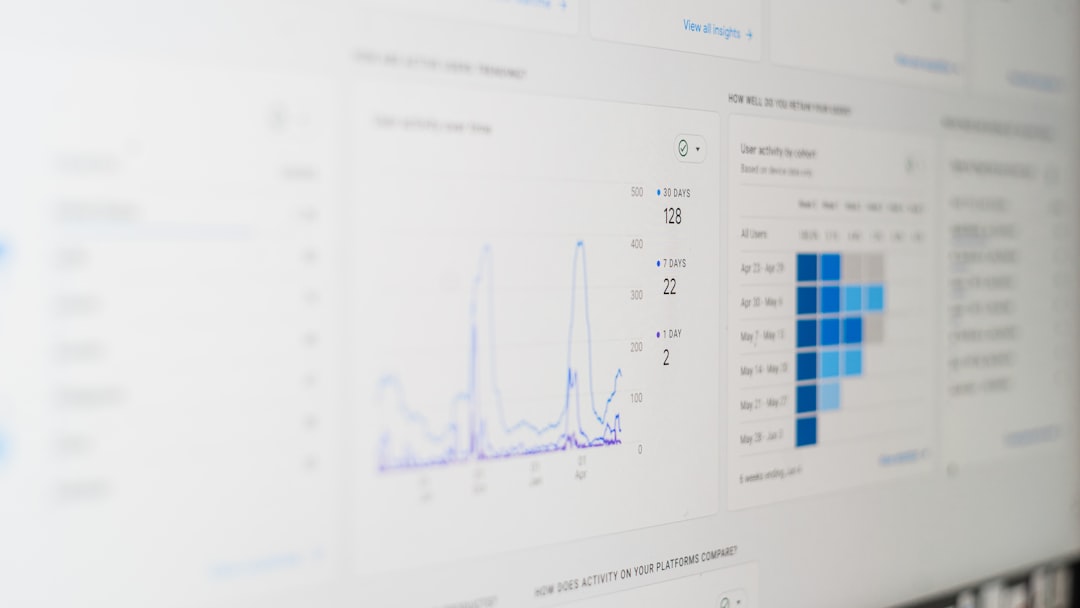
Over time, even small efficiency improvements compound into significant gains in output and profitability.
Key Features to Look For
Not all employee time tracking systems are created equal. Organizations should evaluate tools based on their unique needs.
Essential features often include:
- User-friendly interface for easy adoption
- Mobile access for field or remote workers
- Real-time reporting
- Customizable project categories
- Integration capabilities with existing software
- Data security and privacy controls
Scalability is also important. A growing business needs software that can adapt as teams expand and workflows become more complex.
Best Practices for Implementation
Successful implementation requires careful planning and communication. Simply installing software without explanation can create resistance among employees.
Organizations should:
- Clearly communicate the purpose of the software
- Emphasize productivity and fairness rather than surveillance
- Provide comprehensive training
- Gather employee feedback regularly
- Review collected data to ensure it is used constructively
When employees understand that time tracking supports workload balance, accurate pay, and improved project planning, adoption becomes much smoother.
The Long-Term Impact on Business Performance
Over the long term, employee time tracking software does more than log hours. It reshapes organizational efficiency. Businesses gain clarity about how work flows through the company and where adjustments are needed.
The long-term benefits include:
- Higher overall productivity
- Reduced operational waste
- More accurate forecasting and budgeting
- Improved employee accountability
- Stronger competitive positioning
Companies that consistently evaluate their time data are better equipped to adapt to market changes and internal growth challenges.
Frequently Asked Questions (FAQ)
1. Is employee time tracking software suitable for small businesses?
Yes. Small businesses often benefit significantly from time tracking because it helps them allocate limited resources more effectively, reduce payroll errors, and improve project pricing accuracy.
2. Does time tracking harm employee trust?
When implemented transparently and ethically, time tracking can actually enhance trust. Clear communication about data usage and privacy is essential to prevent misunderstandings.
3. Can time tracking software integrate with other business tools?
Most modern systems integrate with payroll, accounting, and project management platforms. This reduces manual data entry and improves overall workflow efficiency.
4. How does time tracking improve efficiency?
By providing detailed insights into how time is spent, companies can eliminate bottlenecks, reduce unnecessary tasks, and reassign resources where they are most needed.
5. Is time tracking only useful for remote teams?
No. While it is especially valuable for remote and hybrid teams, in-office businesses also benefit from improved accountability, reporting accuracy, and productivity analysis.
6. What should companies consider before choosing a solution?
Organizations should evaluate ease of use, scalability, data security, integration options, reporting capabilities, and overall alignment with their operational goals.
In conclusion, employee time tracking software is far more than a digital attendance sheet. It is a strategic tool that empowers organizations to monitor work intelligently, enhance productivity, and build a culture of accountability and efficiency. When adopted thoughtfully, it becomes a catalyst for sustainable business growth.