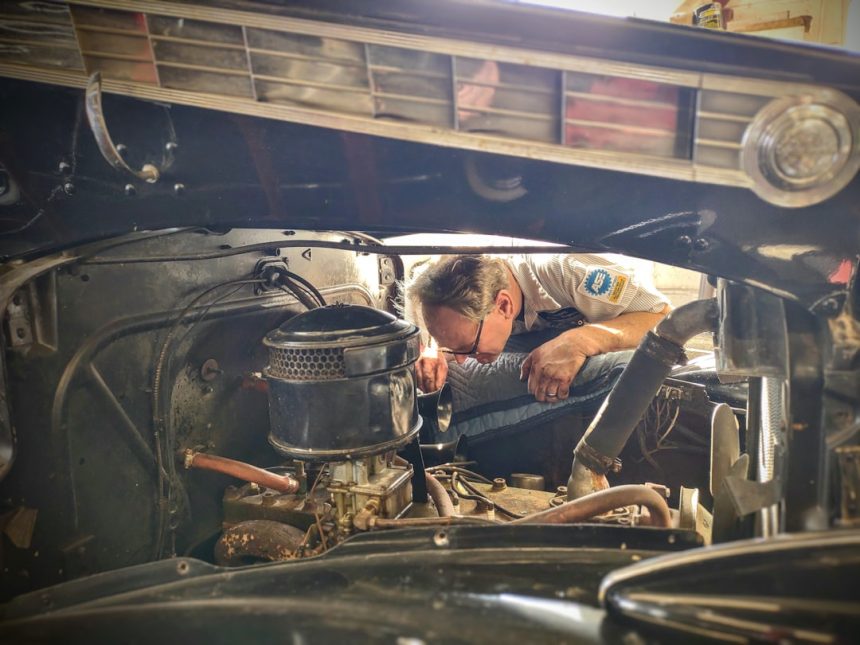
Buying a new car should feel exciting. It should smell new and drive smooth. Sadly, some cars come with problems that just will not go away. These problems can turn joy into stress. That is where lemon laws come in. They protect buyers when a car refuses to behave.
TLDR: Lemon laws help car owners stuck with serious defects. These laws often cover problems with engines, brakes, electronics, and safety systems. If a defect keeps coming back or makes the car unsafe, you may have rights. Knowing common covered defects helps you act faster and smarter.
What Lemon Laws Are, in Plain Words
Lemon laws are consumer protection laws. They exist in many states. They help people who buy or lease cars with big problems. These problems usually show up early. Often within the first year.
A car is often called a lemon when it cannot be fixed after a reasonable number of tries. Or when it sits in the shop too long. Each state sets its own rules. But the idea is simple. You paid for a working car. You deserve one.
Lemon laws usually cover:
- New cars
- Some used cars with warranties
- Leased vehicles
They do not cover every issue. Scratches and rattles usually do not count. Big, serious defects do.
Engine Defects That Trigger Lemon Law Claims
The engine is the heart of the car. When it fails, everything fails. Many lemon law cases start here.
Common engine problems include:
- Stalling at stops
- Sudden loss of power
- Loud knocking sounds
- Oil leaks that keep returning
- Overheating without warning
These problems can make driving scary. They can also cause accidents. If your dealer cannot fix the issue after multiple visits, lemon law may apply.
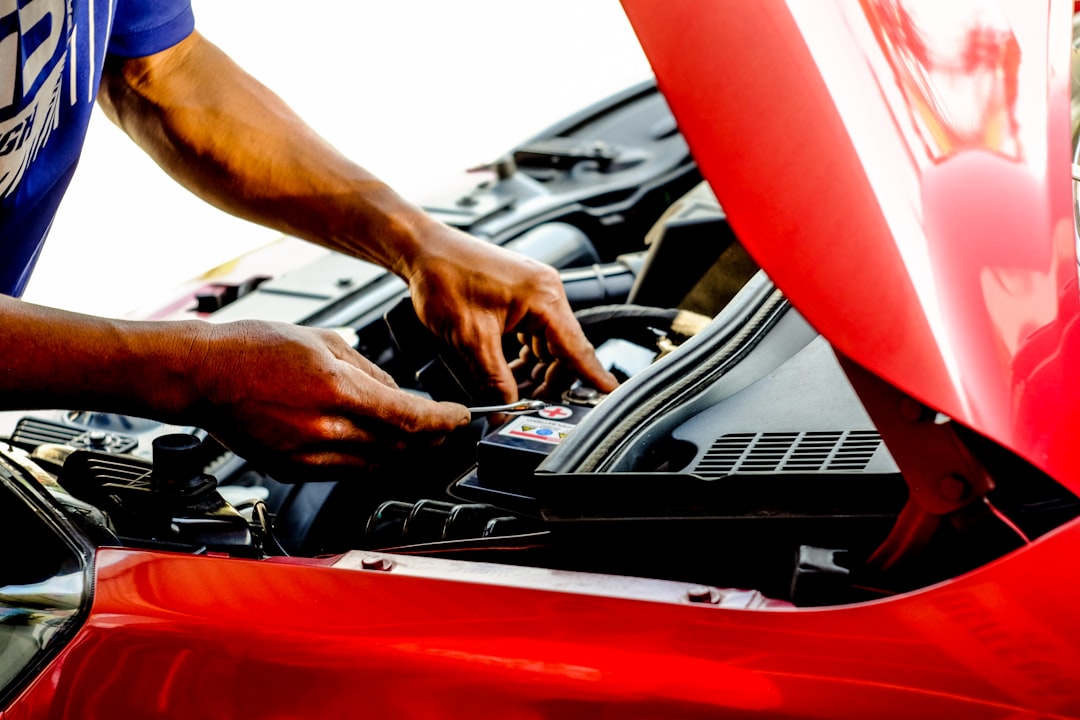
Tip: Always keep service records. Write dates. Write what the car did. Details matter.
Transmission Troubles You Should Not Ignore
The transmission controls how power reaches the wheels. When it fails, the car may feel confused.
Watch out for:
- Hard or delayed shifting
- Slipping gears
- Grinding noises
- Refusal to go into gear
These issues are more than annoying. They can leave you stuck. Or worse, they can cause sudden loss of speed on highways.
Transmission repairs are expensive. Repeated failures often qualify under lemon laws.
Electrical System Defects Are More Common Now
Modern cars are full of computers. Screens. Sensors. Wires. That means more comfort. It also means more chances for failure.
Electrical defects may include:
- Dashboard lights that flash or fail
- Power windows that stop working
- Battery drains overnight
- Random warning alerts
- Computer systems that reboot while driving
Some electrical issues affect safety systems. Others leave you stranded. When repairs do not last, lemon law steps in.
Brake Problems Are a Big Deal
Brakes must work every time. No excuses.
Common brake defects include:
- Soft or sinking brake pedal
- Grinding or squealing even after repairs
- Car pulling to one side when braking
- Brake warning lights staying on
Brake issues are dangerous. Many states treat them seriously. If your dealer cannot fix them fast, you may qualify for help.
Steering and Suspension Defects
Steering helps you stay in control. Suspension keeps the ride stable.
Defects in these systems may show up as:
- Loose or shaking steering wheel
- Car drifting without turning the wheel
- Clunking noises over bumps
- Uneven tire wear
These problems can sneak up slowly. Over time, they become serious. Lemon laws often cover defects that affect handling.
Safety System Failures That Matter Most
Cars today promise safety. Airbags. Sensors. Cameras. When they fail, the risk is real.
Safety defects may include:
- Airbags that fail to deploy
- Airbags that deploy by mistake
- Seatbelts that do not lock
- Backup cameras that go dark
- Crash warning systems that fail
These issues often lead to recalls. But recalls do not fix everything. Repeated safety failures can support a lemon law claim.

Climate Control and Comfort Issues
Heat and air conditioning are not just comfort features. In extreme weather, they are safety features too.
Covered issues can include:
- Air conditioner blowing warm air
- Heater not warming the cabin
- Fans that stop working
- Defrost systems that fail
If these problems keep returning under warranty, do not ignore them.
Infotainment and Software Glitches
Touchscreens run music, maps, and settings. When they crash, drivers get distracted.
Common problems are:
- Frozen screens
- Navigation errors
- Bluetooth dropping calls
- System updates that break features
On their own, these may seem small. But if they affect safety or usability, they can count.
How Many Repair Attempts Are Enough?
This depends on your state. Many use a simple rule.
Often, lemon law applies if:
- The same problem is fixed 3 or 4 times
- The car is in the shop 30 days or more
- The defect poses a serious safety risk
Always check your local law. Details matter.
What Car Owners Should Do Right Away
Fast action helps your case.
Always:
- Report problems as soon as they appear
- Use authorized dealers for repairs
- Save all repair orders
- Note dates and mileage
Do not wait too long. Time limits exist.
Final Thoughts for Frustrated Drivers
No one plans to buy a lemon. But it happens. Knowing common auto defects gives you power. Lemon laws were made to balance the scales.
If your car keeps failing, trust your instincts. Ask questions. Keep records. And remember, a car should make life easier, not harder.