
Augmented reality (AR) has rapidly evolved from a futuristic concept into a practical technology transforming how we interact with the world around us. By blending digital elements with physical environments in real time, AR platforms are redefining industries, reshaping user experiences, and unlocking new creative possibilities. From gaming and retail to healthcare and industrial design, seamless AR integration is becoming a cornerstone of digital innovation.
TLDR: Augmented reality platforms are enabling seamless integration of digital content into the physical world through advanced tracking, spatial mapping, and cloud-based technologies. Leading platforms such as ARKit, ARCore, HoloLens, Magic Leap, and WebAR frameworks make immersive experiences more accessible than ever. Businesses across industries are using AR to enhance engagement, streamline operations, and improve decision-making. As hardware and software continue to advance, AR is becoming more intuitive, accurate, and deeply embedded in everyday life.
What Makes Augmented Reality Seamless?
The true power of AR lies in how naturally it integrates digital objects into real-world environments. Seamless AR experiences depend on several core technological components:
- Spatial Mapping: The system scans and understands physical spaces to anchor digital elements accurately.
- Motion Tracking: Sensors track user movement, adjusting digital objects in real time.
- Light Estimation: Digital elements match real-world lighting conditions for realism.
- Cloud Anchoring: Shared AR experiences remain consistent across devices.
- AI Integration: Object recognition and contextual awareness enhance interaction.
When these components work harmoniously, users experience digital overlays that feel like natural extensions of their environment rather than artificial additions.
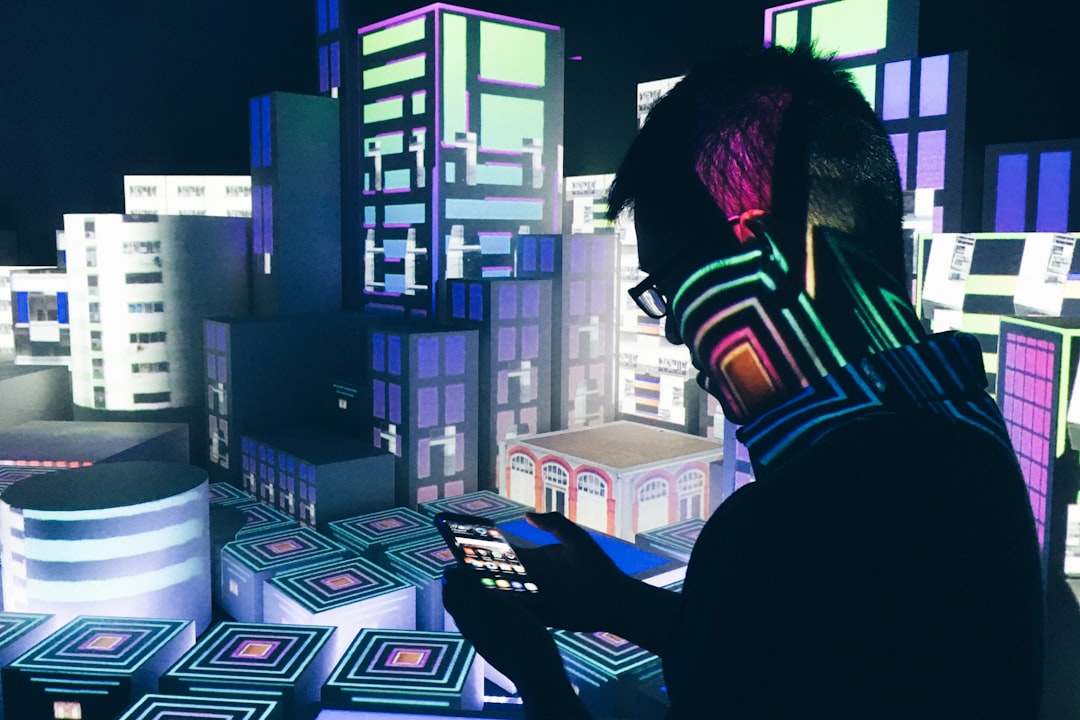
Leading Augmented Reality Platforms
Several technology providers are driving AR innovation, each offering unique capabilities tailored to developers, enterprises, and consumers.
1. Apple ARKit
ARKit empowers developers to create sophisticated AR applications for iOS devices. Leveraging iPhone and iPad sensors, ARKit provides high-precision motion tracking and realistic rendering.
- Advanced scene geometry and depth APIs
- LiDAR scanner compatibility on Pro devices
- People occlusion for natural interactions
- Seamless integration with Apple ecosystem
From interior design previews to educational apps, ARKit has fueled thousands of immersive applications.
2. Google ARCore
ARCore brings augmented experiences to Android devices. It supports environmental understanding and light estimation, enabling lifelike placements of digital objects.
- Broad Android compatibility
- Cloud anchors for shared AR
- Depth API for realistic object interactions
- Integration with Google Maps Live View
ARCore plays a crucial role in retail visualization tools and navigation overlays.
3. Microsoft HoloLens
Unlike smartphone-based AR, HoloLens offers a mixed-reality headset designed for enterprise applications.
- Hands-free holographic interaction
- Industrial-grade spatial mapping
- Remote collaboration capabilities
- Advanced gesture and voice controls
Industries such as manufacturing, architecture, and healthcare rely heavily on HoloLens for training and operational efficiency.
4. Magic Leap
Magic Leap focuses on enterprise and medical sectors, offering lightweight headsets that integrate digital visuals directly into user workflows.
- Spatial computing emphasis
- Enterprise-grade security
- Medical visualization support
- Collaborative mixed reality tools
5. WebAR Platforms
WebAR eliminates the need for app downloads by enabling AR experiences directly through web browsers.
- Instant access via QR codes
- Cross-platform compatibility
- Lower barrier to entry
- Ideal for marketing campaigns
This approach is particularly popular in advertising and e-commerce environments.
Comparison Chart of Leading AR Platforms
| Platform | Primary Use | Device Type | Strength | Best For |
|---|---|---|---|---|
| ARKit | Consumer Apps | iOS Devices | High-fidelity tracking | Retail, education, gaming |
| ARCore | Consumer Apps | Android Devices | Wide device support | Navigation, retail |
| HoloLens | Enterprise | Headset | Hands-free operation | Manufacturing, training |
| Magic Leap | Enterprise/Medical | Headset | Spatial computing | Healthcare, design |
| WebAR | Marketing | Browser-based | No app needed | E-commerce, advertising |
Industries Benefiting from Seamless AR
Augmented reality platforms are reshaping numerous industries by bridging digital intelligence with physical operations.
Retail and E-commerce
AR enables customers to visualize products before purchasing. Furniture retailers allow buyers to place sofas in their living rooms virtually. Beauty brands offer virtual makeup trials. This reduces returns and increases buyer confidence.
Healthcare
Medical professionals use AR for surgical planning, diagnostics, and training. Digital overlays provide real-time anatomical guidance during procedures, improving precision and minimizing risk.

Manufacturing and Maintenance
Technicians receive step-by-step holographic instructions while keeping their hands free. This reduces downtime and enhances workplace safety.
Education and Training
Students interact with 3D historical artifacts, molecular models, and planetary systems directly in their classrooms. Immersive learning significantly improves information retention.
Real Estate and Architecture
AR allows clients to walkthrough properties still under construction. Architects overlay building designs onto physical spaces to assess scale and aesthetics instantly.
The Role of AI and Cloud Computing
Artificial intelligence and cloud services are accelerating AR’s seamless capabilities.
- Object Recognition: AI identifies real-world items, enabling contextual digital responses.
- Persistent AR: Cloud anchors maintain digital placements over time.
- Real-time Collaboration: Teams interact with the same AR elements from different locations.
- Edge Computing: Reduces latency and improves responsiveness.
These technologies combine to create AR experiences that feel fluid, responsive, and reliable.
Challenges to Overcome
Despite impressive advancements, seamless AR still faces obstacles:
- Hardware Limitations: Battery life and device weight remain concerns.
- Field of View Constraints: Some headsets limit peripheral immersion.
- Privacy Issues: Constant environmental scanning raises data concerns.
- Development Costs: High-quality AR applications require substantial investment.
Ongoing research and competition in the market are steadily addressing these challenges.

The Future of Seamless AR Integration
The next phase of augmented reality focuses on making the technology invisible—blending it so naturally into daily life that users forget it is even there.
Emerging innovations include:
- Lightweight AR Glasses: Everyday wearable devices replacing smartphones.
- 5G and Beyond: Ultra-low latency streaming of complex 3D environments.
- Spatial Computing Ecosystems: Fully interactive digital layers mapped to the physical world.
- Shared Persistent Worlds: Long-term digital objects anchored to specific physical spaces.
As AR glasses become slimmer and more socially acceptable, mass adoption may follow a trajectory similar to smartphones.
Why Seamlessness Matters
The difference between novelty and necessity lies in execution. Clunky AR experiences feel gimmicky. Seamless integration, however, creates genuine value. When digital content behaves like a natural extension of the real world, users can focus on tasks rather than technology.
This shift transforms AR from entertainment-focused experimentation to mission-critical infrastructure. Whether guiding a surgeon, training an engineer, or helping a customer choose the perfect couch, seamless augmented reality enhances both efficiency and engagement.
Conclusion
Augmented reality platforms are steadily dissolving the boundary between digital and physical environments. Through advanced spatial awareness, AI-powered contextual intelligence, and cloud synchronization, AR systems deliver experiences that feel integrated rather than imposed. Leading platforms such as ARKit, ARCore, HoloLens, Magic Leap, and WebAR frameworks each contribute unique strengths to the evolving ecosystem.
As hardware improves and software grows more intelligent, the world will increasingly function as a canvas for interactive digital layers. What once required screens and keyboards will unfold naturally within our field of view. Augmented reality is no longer just enhancing the real world—it is becoming an essential part of how we navigate, understand, and interact with it.