
Search engine results pages (SERPs) are the battlegrounds where brands compete for visibility, traffic, and authority. Reliable SERP data allows marketers, SEO professionals, and agencies to understand ranking performance, analyze competitors, and uncover new growth opportunities. With dozens of tools available, choosing the right SERP data provider can significantly influence the quality of insights and decision-making.
TLDR: Choosing the right SERP data provider is essential for accurate keyword tracking, competitor analysis, and SEO growth. The best tools offer reliable ranking data, strong APIs, scalable solutions, and in-depth SERP feature insights. This guide highlights ten top-performing SERP data providers known for accuracy and flexibility. It also includes a FAQ section to help businesses select the ideal platform for their needs.
Why Accurate SERP Data Matters
Search engine algorithms evolve constantly, and rankings fluctuate daily. Businesses that rely on outdated or incomplete data risk misinterpreting performance trends or missing competitive shifts. Accurate SERP data enables:
- Keyword ranking tracking across devices and locations
- Competitor intelligence to benchmark performance
- SERP feature monitoring such as featured snippets and local packs
- Trend forecasting for strategic content planning

With that in mind, here are ten of the best SERP data providers trusted by professionals worldwide.
1. Bright Data
Bright Data is widely recognized for its large-scale data collection infrastructure. It offers structured SERP datasets and proxy-based scraping solutions suitable for enterprises and data-heavy operations.
Key strengths:
- Global coverage with granular geo-targeting
- Customizable SERP extraction
- Reliable API for automation
- Scalable infrastructure for high-volume needs
It is particularly suitable for organizations requiring massive and frequent data pulls from multiple search engines.
2. SEMrush
SEMrush combines SERP tracking with a comprehensive SEO toolkit. Known for its intuitive dashboard and extensive keyword database, it provides actionable competitive analysis.
Notable features:
- Position tracking across desktop and mobile
- SERP feature tracking
- Competitor domain comparisons
- Historical ranking data
SEMrush is ideal for marketing teams seeking an all-in-one SEO and SERP analysis platform.
3. Ahrefs
Ahrefs is highly regarded for its backlink database, but its SERP tracking and keyword insights are equally powerful. It delivers accurate ranking updates and deep keyword metrics.
Advantages:
- Extensive keyword database
- Accurate SERP snapshots
- Detailed competitor research tools
- Clear visibility metrics
Ahrefs appeals to SEO professionals who want both link-building data and reliable SERP insights in one platform.
4. SerpAPI
SerpAPI focuses on providing structured, real-time SERP data through a robust API. It supports multiple search engines including Google, Bing, Yahoo, and more.
Key highlights:
- JSON output for developers
- Real-time SERP results
- Location-based queries
- Accurate SERP feature extraction
This provider is especially popular among developers building SEO dashboards or analytics tools that rely on automated data streams.
5. Moz Pro
Moz Pro offers reliable keyword tracking combined with domain analysis and SEO recommendations. It is known for its user-friendly interface and beginner-friendly metrics.
Core capabilities:
- Rank tracking with localized targeting
- On-page optimization insights
- Competitive keyword analysis
- Keyword difficulty scoring
Moz Pro is suited for businesses entering SEO who need both tracking and educational resources.
6. DataForSEO
DataForSEO provides SERP data via API with flexible pricing based on usage. It delivers structured data for multiple search engines in real time.
Strengths:
- Affordable pay-per-request pricing
- Task-based API system
- Fast response times
- SERP features and ads tracking
It is ideal for agencies and SaaS companies that require custom reporting integrations without paying for full-scale marketing platforms.
7. AccuRanker
AccuRanker specializes in precise and fast keyword rank tracking. It is known for accurate daily updates and strong reporting capabilities.
Features include:
- On-demand ranking updates
- Local and mobile tracking
- SERP feature monitoring
- Share of voice analysis
AccuRanker is widely favored by agencies managing multiple clients who require transparent and highly accurate ranking reports.
8. Serpstat
Serpstat combines keyword research, competitor analysis, and rank tracking in a cost-effective suite. It provides robust SERP analytics for businesses of varying sizes.
Key benefits:
- Keyword clustering tools
- Competitor positioning analysis
- Historical SERP data
- Multi-country tracking

Serpstat is well-suited for small to mid-sized businesses seeking an affordable solution without sacrificing insight depth.
9. Nightwatch
Nightwatch delivers advanced rank tracking with strong data visualization features. It emphasizes precision and customizable reporting.
Highlights:
- Accurate local tracking
- Segmented keyword groups
- Advanced filtering options
- Automated reporting tools
This provider works well for data-driven teams who prioritize clean reporting and actionable metrics.
10. SE Ranking
SE Ranking provides detailed SERP tracking alongside website auditing and backlink monitoring. Its flexible pricing makes it accessible to freelancers and agencies alike.
Main advantages:
- Comprehensive position tracking
- Marketing plan assistance
- White-label reporting
- Competitor SERP monitoring
SE Ranking is particularly attractive for agencies offering branded reports to clients.
Key Factors When Choosing a SERP Data Provider
Selecting the right provider depends on business goals, budget, and technical expertise. Important considerations include:
- Accuracy and update frequency
- Geo-targeting capabilities
- API accessibility for automation
- SERP feature tracking depth
- Pricing flexibility
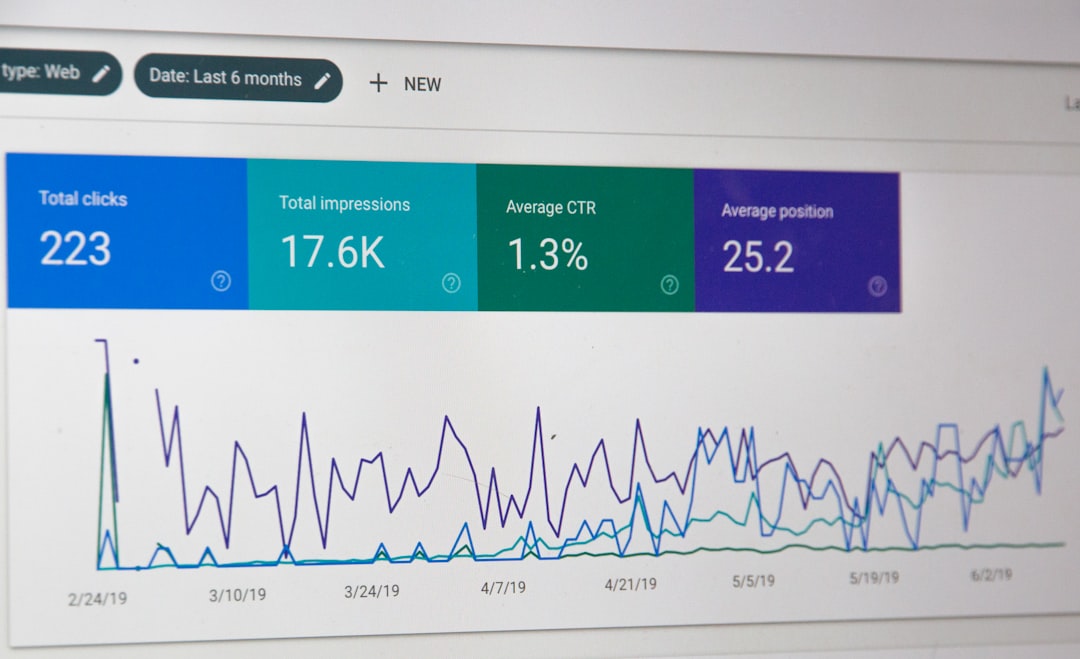
Enterprises may prioritize scalability and automation, while smaller teams often favor usability and integrated SEO toolsets.
Final Thoughts
Accurate SERP data is the foundation of effective search engine optimization. Whether a business needs large-scale API extraction or an intuitive dashboard for marketing teams, the right provider can transform raw search data into strategic advantage.
The ten providers listed above represent a mix of enterprise-grade data platforms and comprehensive SEO suites. By carefully evaluating features, pricing models, and integration capabilities, businesses can secure the search insights needed to outperform competitors and maintain strong digital visibility.
Frequently Asked Questions (FAQ)
1. What is a SERP data provider?
A SERP data provider supplies structured information about search engine results pages, including rankings, ads, featured snippets, and other search features.
2. Why is accurate SERP data important?
Accurate data ensures businesses can track keyword performance reliably, understand competitor strategies, and respond quickly to ranking changes.
3. What is the difference between an SEO tool and a SERP API?
An SEO tool typically provides dashboards and reports for marketing teams, while a SERP API delivers raw structured data for developers and custom integrations.
4. How often should SERP data be updated?
Daily updates are common for competitive industries, but high-volatility keywords may benefit from on-demand or real-time tracking.
5. Can SERP data providers track local results?
Yes, most leading providers offer geo-specific tracking at country, city, or ZIP code level, along with mobile and desktop differentiation.
6. Are free SERP tools reliable?
Free tools can offer basic insights but often lack the accuracy, scale, or historical data provided by paid solutions.
7. Which provider is best for developers?
Platforms like SerpAPI and DataForSEO are commonly preferred by developers due to their structured API access and flexible integration options.
8. Do SERP providers track featured snippets and other SERP features?
Yes, most top providers monitor features such as featured snippets, People Also Ask, knowledge panels, local packs, and paid ads.
Choosing the right SERP data provider ultimately depends on the scope of analysis required and the technical capabilities of the team using the data.