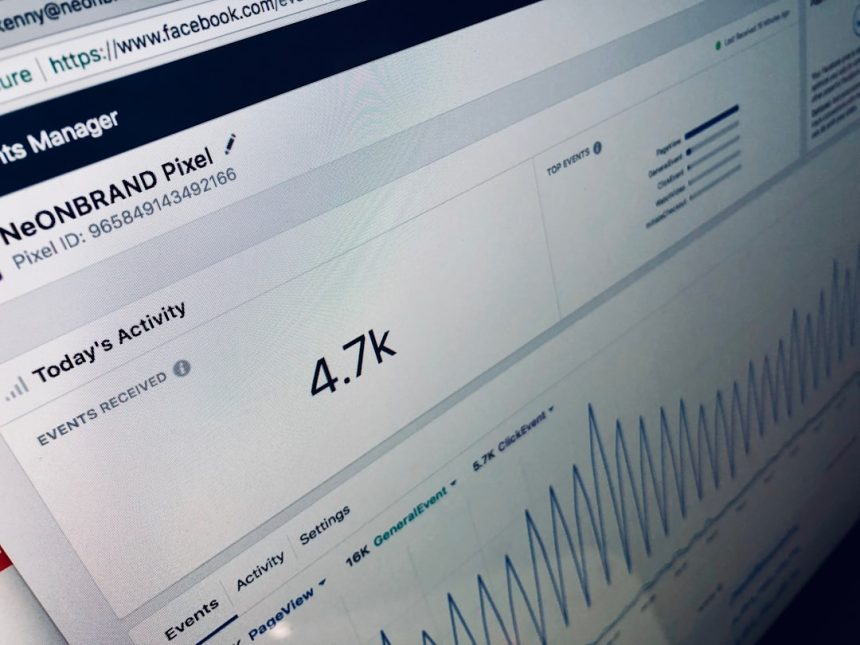
Influencer marketing is fun. It is creative. It moves fast. But there is one big question behind every campaign: Is it actually working? Likes are nice. Comments look exciting. But brands need more than vibes. They need data. They need proof. They need numbers that make sense.
TLDR: Tracking influencer performance is about more than counting likes. The right tools help you measure reach, engagement, clicks, conversions, and real sales. From analytics dashboards to affiliate links and tracking pixels, each tool shows part of the story. When you combine them, you can clearly see your ROI and make smarter marketing decisions.
Why Tracking Influencer Performance Matters
Imagine throwing a party. People show up. Music plays. Everyone dances. But you have no idea how much it cost or if guests had fun. That is influencer marketing without tracking.
Tracking helps you:
- See what content performs best
- Understand your audience better
- Measure real return on investment (ROI)
- Decide who to work with again
- Improve future campaigns
Without tools, you are guessing. With tools, you are building a strategy.
Key Metrics You Should Track
Before jumping into tools, let’s look at what you should measure.
- Reach – How many people saw the content?
- Impressions – How many times was it displayed?
- Engagement – Likes, comments, shares, saves.
- Click Through Rate (CTR) – How many people clicked your link?
- Conversions – Sales, signups, downloads.
- Cost per Acquisition (CPA) – How much did it cost per customer?
- Return on Investment (ROI) – Did you earn more than you spent?
Each metric tells part of the story. Together, they tell the whole story.
Social Media Native Analytics
The simplest place to start? Built in analytics tools.
Platforms like Instagram, TikTok, YouTube, and Facebook offer free insights. Influencers with creator accounts can share this data with brands.
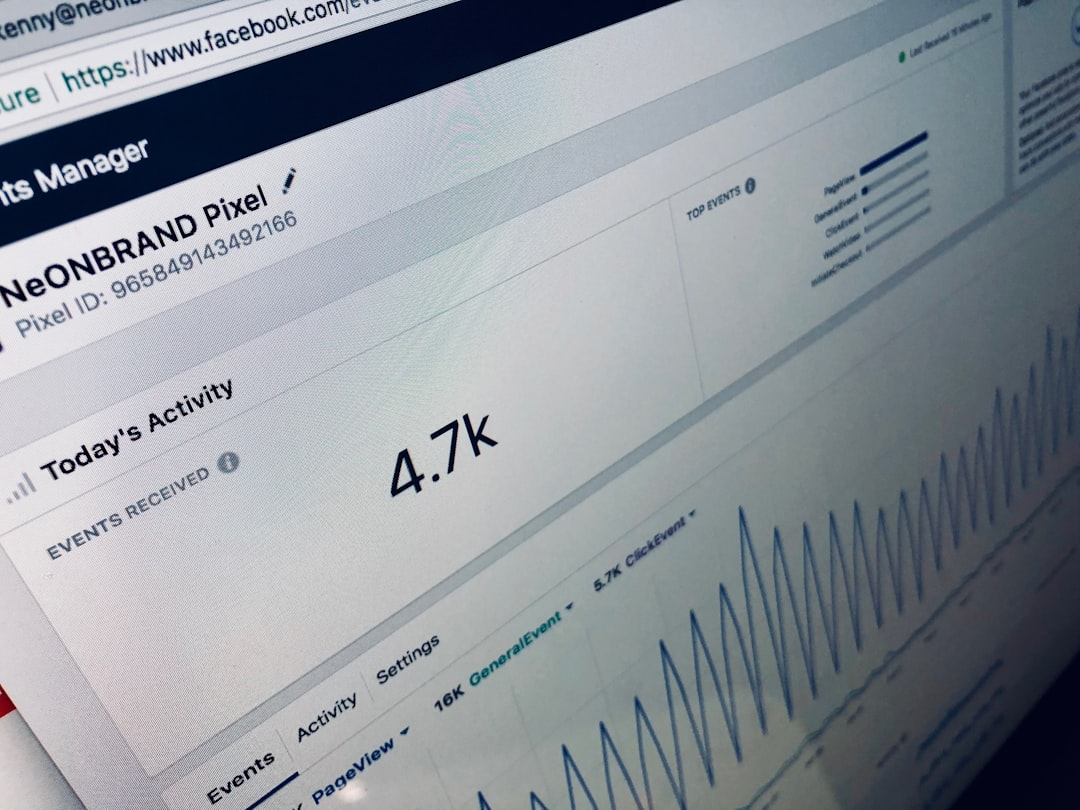
These tools show:
- Audience demographics
- Follower growth
- Reach and impressions
- Story views
- Video watch time
This is great for checking awareness campaigns. But it does not always show direct sales impact. For that, you need deeper tracking.
UTM Parameters
UTM parameters sound technical. But they are simple.
A UTM is just a small piece of text added to a URL. It tells analytics tools where traffic came from.
For example, you can create a special link for each influencer. When someone clicks it, your analytics platform records:
- Source (Instagram, YouTube, blog)
- Campaign name
- Specific influencer
This helps you answer key questions:
- Who drove the most clicks?
- Which platform performed best?
- Which campaign had the highest engagement?
It is simple. It is clean. And it works.
Affiliate Links and Promo Codes
Want to track sales directly? Use affiliate links.
Each influencer gets a unique link. If someone buys through that link, the sale is tracked automatically.
This is powerful because:
- You see real revenue numbers
- You can reward top performers
- You reduce guesswork
Promo codes work in a similar way. Each influencer has a custom code. When customers use it at checkout, the system tracks the sale.
It is like giving every influencer their own digital cash register.
Influencer Marketing Platforms
Managing multiple influencers can get messy fast. Emails everywhere. Spreadsheets overflowing. Links scattered.
This is where influencer marketing platforms help.
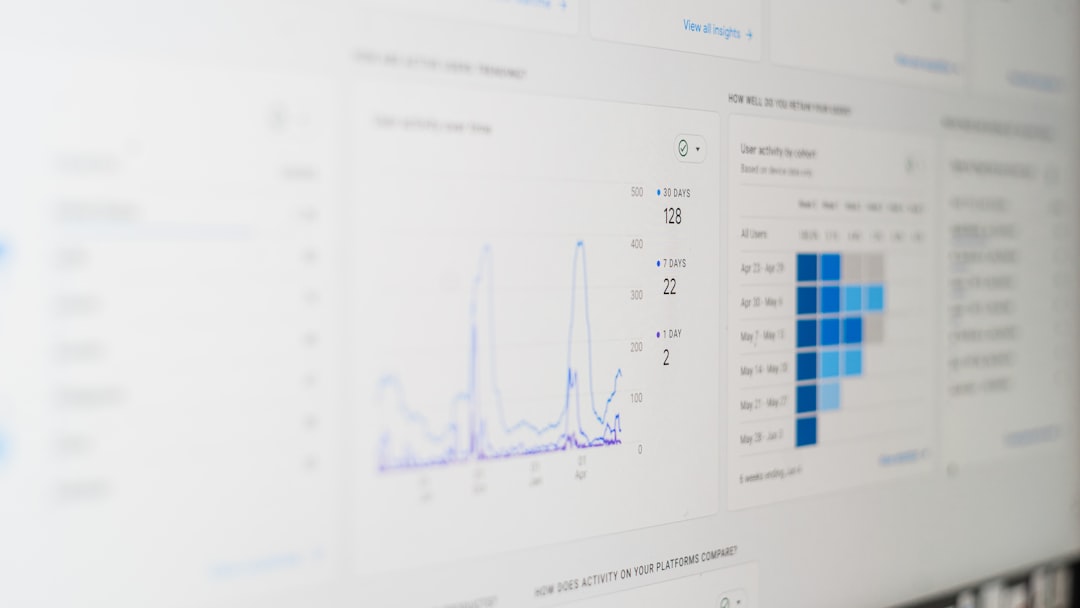
These platforms allow you to:
- Find influencers
- Track campaign performance
- Measure engagement
- Monitor deliverables
- Calculate ROI automatically
Many platforms combine social data with sales tracking. They give you one clean dashboard. No chaos. Just clarity.
This is ideal for brands running large campaigns.
Google Analytics
Google Analytics is like a detective. It follows website visitors and reports back.
When combined with UTM links, it shows:
- How long visitors stayed
- Which pages they viewed
- Whether they converted
- Revenue generated
You can even build custom reports to compare influencers side by side.
Want to see which influencer brought the highest value customers? Google Analytics can show that.
Tracking Pixels
Tracking pixels are tiny pieces of code placed on your website.
They collect data about visitor behavior.
Pixels are especially helpful for paid influencer ads. If an influencer promotes a product through sponsored posts, pixels can:
- Track conversions
- Build retargeting audiences
- Measure ad performance
It is invisible to users. But powerful for marketers.
Social Listening Tools
Numbers are great. But conversations matter too.
Social listening tools monitor what people say about your brand online.
They track:
- Brand mentions
- Sentiment (positive or negative)
- Trending hashtags
- Audience reactions
This helps you understand brand perception. Sometimes an influencer campaign increases awareness but does not spike sales immediately. Social listening shows long term brand impact.
Engagement Rate Calculators
Big follower numbers look impressive. But they do not guarantee results.
Engagement rate tells a deeper story.
The basic formula:
(Likes + Comments + Shares) ÷ Followers × 100
Higher engagement usually means stronger audience connection.
Many online tools calculate this automatically. Some influencer platforms show this instantly when you review profiles.
This saves time. And helps avoid fake followers.
CRM Integration
If your business uses a Customer Relationship Management (CRM) system, connect it to your tracking tools.
This allows you to:
- See which influencer drives high value leads
- Track repeat purchases
- Measure lifetime customer value
This is next level tracking. It goes beyond first clicks. It follows the entire customer journey.
Calculating Real ROI
Now comes the exciting part. ROI.
The formula is simple:
(Revenue – Cost) ÷ Cost × 100
If you spent $5,000 and earned $15,000, your ROI is strong.
But do not forget hidden costs:
- Product samples
- Shipping
- Agency fees
- Content production
Include everything. Be honest. That is how you get clear answers.
Choosing the Right Tool
You do not need every tool.
Ask yourself:
- Is my goal awareness or sales?
- How many influencers am I managing?
- What is my budget?
- Do I need simple data or deep insights?
For small campaigns, UTM links plus Google Analytics may be enough.
For large scale campaigns, a full influencer platform makes sense.
Start simple. Then scale.
Common Mistakes to Avoid
- Only tracking likes
- Ignoring long term value
- Not setting goals before launch
- Failing to give influencers trackable links
- Looking at data too late
Set clear goals first. Then track what matters.
Making Data Fun
Data sounds serious. It can feel boring. But it does not have to be.
Turn reports into simple dashboards. Use clear charts. Celebrate wins with your team.
When you see numbers rise after a campaign, it becomes exciting. It feels like a game. A smart game.
Final Thoughts
Influencer marketing is creative. It is human. It is emotional.
But behind every creative post should be strong tracking.
The right tools show you what works. They help you spend smarter. They help you grow faster.
Start with clear goals. Use trackable links. Measure engagement. Monitor conversions. Calculate ROI honestly.
When you combine creativity with data, you win.
And that is the real power of tracking influencer performance.