Finding the right shoe size can feel like a guessing game, especially when shopping online. Between different sizing systems, varying brand standards, and foot shape differences, many shoppers end up with shoes that are either too tight or uncomfortably loose. A proper fit is not just about comfort—it directly affects posture, performance, and long-term foot health. That is why understanding how sizing works at Bestshoesevershop is essential for making confident, informed purchases.
TLDR: Bestshoesevershop sizing can be accurate and stress-free when shoppers measure their feet correctly, understand width and arch considerations, and review product-specific fit notes. Foot measurements should be taken at the end of the day for the most reliable results. Comparing measurements to the brand’s official size chart significantly reduces returns. With a few simple steps, anyone can find their perfect fit without guesswork.
Why Proper Shoe Sizing Matters
Ill-fitting shoes can cause more than minor discomfort. Shoes that are too tight may lead to blisters, bunions, or restricted circulation, while overly loose shoes can cause instability and friction injuries. Over time, improper support can even affect knee, hip, and lower back alignment.
Bestshoesevershop emphasizes sizing precision because each foot is unique. Length alone does not determine fit—width, arch height, instep volume, and toe box space all play critical roles. When customers rely only on their “usual size,” they risk overlooking these important factors.
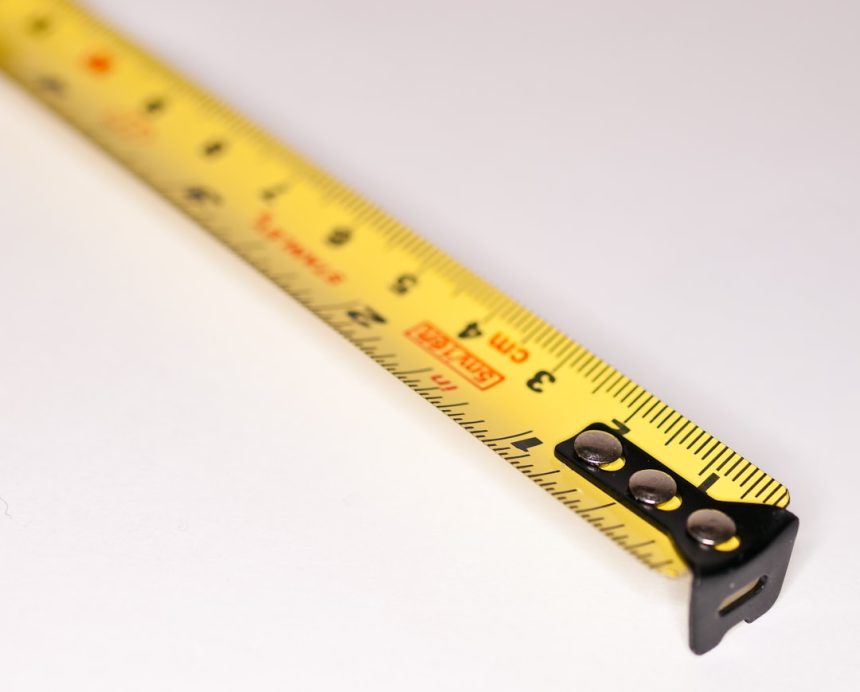
Step 1: Measure the Feet Correctly
The foundation of finding the perfect fit begins with accurate measurement. Many people are surprised to learn that their foot size changes over time due to age, weight shifts, or pregnancy. Measuring both feet is crucial since one foot is often slightly larger than the other.
To measure properly:
- Place a sheet of paper on a hard floor.
- Stand upright with full weight evenly distributed.
- Trace the outline of each foot.
- Measure the longest distance from heel to toe.
- Measure the widest part of the foot horizontally.
Measurements should be taken in the evening, as feet naturally expand throughout the day. When comparing results, shoppers should use the larger foot measurement to determine their size.
Step 2: Understand Bestshoesevershop’s Size Chart
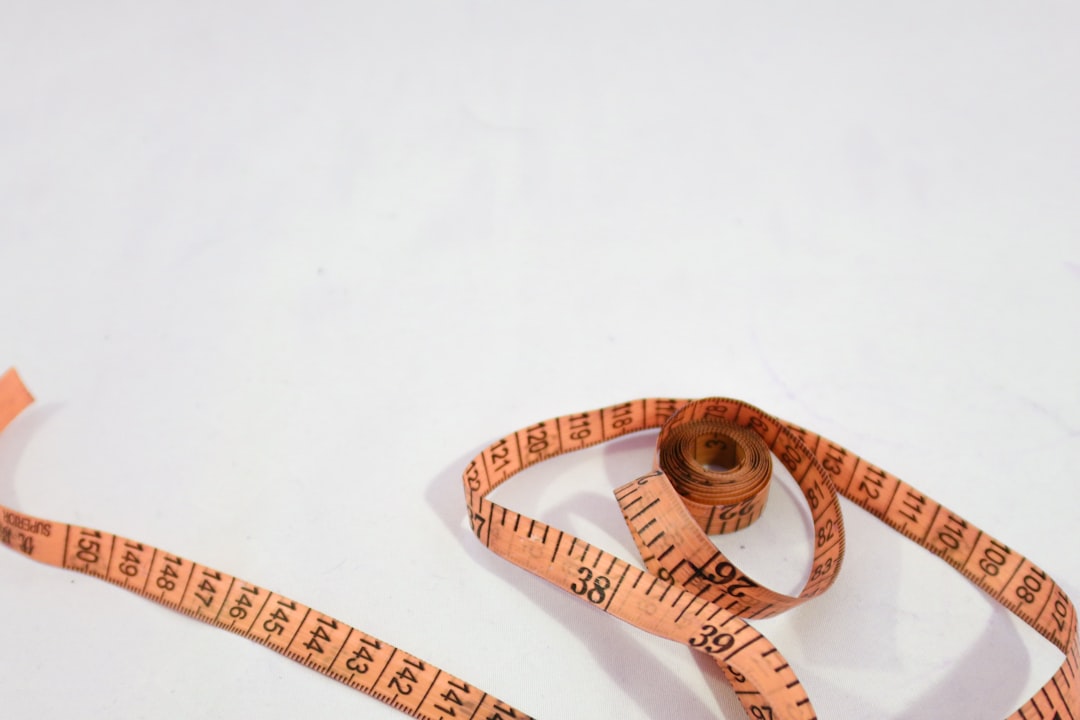
Size charts serve as the bridge between raw measurements and the correct product size. Bestshoesevershop provides comprehensive charts that typically include:
- US sizes
- EU sizes
- UK sizes
- Foot length in inches or centimeters
Rather than converting from another brand, shoppers should always match their measured foot length directly to the chart provided for the specific model. This avoids inconsistencies that can arise between different manufacturers.
Pro Tip: If a foot measurement falls between two sizes, the ideal choice depends on intended use. For athletic or walking shoes, sizing up often provides extra comfort. For formal shoes, a closer fit may be preferable, though tightness should never compromise circulation.
Step 3: Consider Width and Foot Shape
Width is one of the most overlooked aspects of shoe fit. Bestshoesevershop offers various width options for select styles, which may include narrow, standard, and wide fits.
Indicators that wider sizing may be needed include:
- Frequent pressure on the sides of the feet
- Pinky toe rubbing against the shoe wall
- Visible stretching in the forefoot area
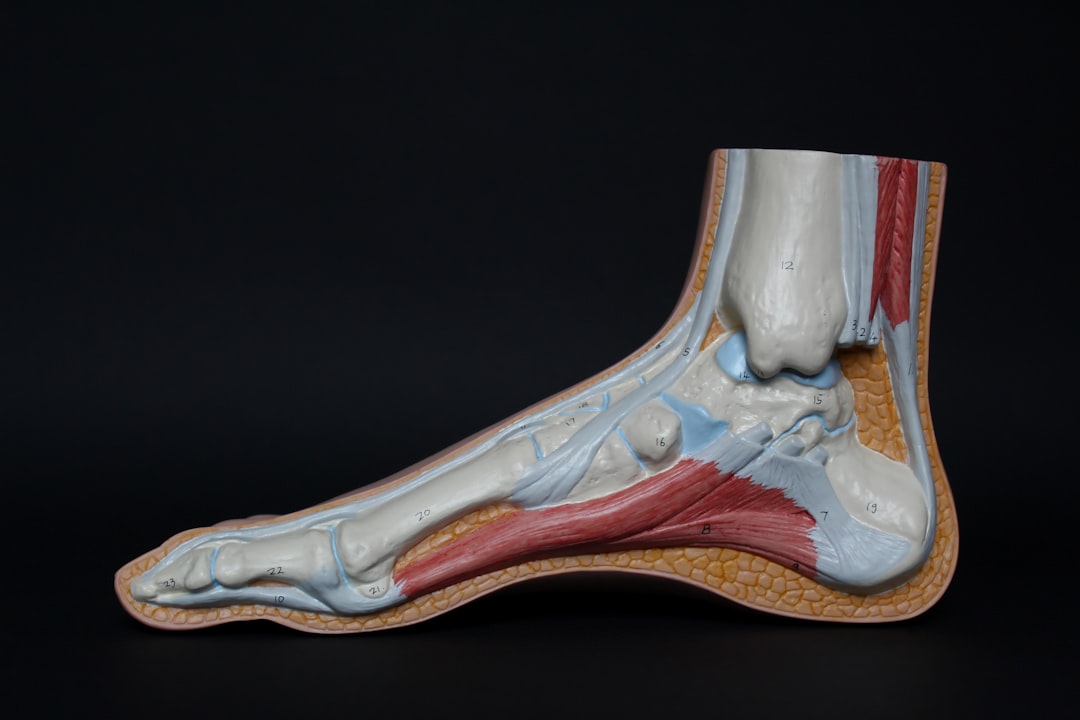
In addition to width, foot shape plays a significant role. Some individuals have high arches, while others have flat feet. High arches often require additional cushioning and flexibility, whereas flat feet may benefit from enhanced arch support and stability control.
Step 4: Factor in Sock Thickness and Activity
The type of socks worn can change the overall fit of a shoe. Thick athletic socks may require slightly more space, while thin dress socks allow for a more tailored feel.
Activity level matters as well. Running shoes typically need about a thumb’s width of space between the longest toe and the shoe’s front. This allows room for foot expansion during motion. Casual sneakers and lifestyle footwear may not require as much extra space but should still allow natural toe movement.
Shoppers purchasing seasonal footwear, such as winter boots, should account for heavier socks and potential foot swelling in colder weather.
Step 5: Read Product-Specific Fit Notes
Not all shoes are constructed equally. Materials, sole design, and toe box shape can affect sizing perception. Bestshoesevershop includes product descriptions that often indicate whether a style runs:
- True to size
- Slightly small
- Slightly large
- Narrow in the toe box
These notes are based on fit testing and customer feedback. Taking a moment to review them can prevent unnecessary returns.
For example, leather shoes may stretch slightly over time, while synthetic materials may retain their original shape. Mesh athletic shoes often provide more flexibility, making them forgiving for minor width differences.
Common Sizing Mistakes to Avoid
Even with tools and charts available, certain mistakes repeatedly cause fit issues. Being aware of these pitfalls helps shoppers make smarter decisions.
- Assuming size consistency between brands – Sizing standards vary significantly.
- Measuring while seated – This reduces foot spread and results in inaccurate length.
- Ignoring foot width – Length-only sizing is incomplete.
- Buying too tight to “break them in” – Properly sized shoes should feel comfortable from the start.
Another common misconception is that foot size remains constant. In reality, adults may experience subtle changes over time, making periodic remeasurement beneficial.
How to Test the Fit at Home
Once shoes arrive, a careful indoor fitting session ensures accuracy before use. Bestshoesevershop recommends testing shoes on clean indoor surfaces to maintain return eligibility.
Checklist for home fitting:
- Try shoes on in the evening.
- Wear intended socks.
- Stand and walk naturally.
- Ensure toes can wiggle freely.
- Check for heel slippage.
If there is slight heel movement but no friction, this can be normal. However, consistent sliding indicates the shoe may be too large. Pinching at the toes or pressure along the sides suggests inadequate width or insufficient length.
Image not found in postmetaSpecial Considerations for Online Shoppers
Online shopping eliminates the opportunity for in-store try-ons, but it also allows detailed comparisons and reviews. Bestshoesevershop provides size filtering tools and customer feedback sections to guide decisions.
Customer reviews often reveal practical insights such as how the shoe feels after long walks, whether arches provide adequate support, or if sizing runs consistently across color variations.
Being methodical—rather than guessing—leads to greater long-term satisfaction and fewer exchanges.
Benefits of Getting the Perfect Fit
When sizing is correct, shoes become an asset rather than a distraction. Properly fitted footwear offers:
- Improved comfort during prolonged wear
- Reduced risk of blisters and pressure sores
- Better athletic performance
- Enhanced posture and alignment
- Greater durability due to reduced material strain
Ultimately, precision sizing transforms shoe shopping from uncertain guesswork into a streamlined, confident process.
Conclusion
Finding the right size at Bestshoesevershop does not require guesswork. By carefully measuring both feet, consulting the official size chart, considering width and socks, reviewing product-specific notes, and performing a proper home fitting, shoppers can significantly reduce the risk of an improper purchase. Precision leads to comfort, and comfort supports overall well-being. With the right knowledge and approach, anyone can step confidently into their perfect fit.
Frequently Asked Questions (FAQ)
-
1. How often should feet be measured?
Feet should be measured at least once a year or whenever noticeable discomfort occurs. Size can change due to aging, weight changes, or lifestyle factors. -
2. What should someone do if they are between two sizes?
If between sizes, choosing the larger size is usually safer, especially for athletic shoes. Insoles or thicker socks can help adjust minor extra space. -
3. Are men’s and women’s sizes interchangeable?
No, men’s and women’s sizing differs in both length and width. Always consult the specific conversion chart provided by Bestshoesevershop. -
4. Why do shoes in the same size sometimes fit differently?
Variations in materials, design structure, toe shape, and cushioning density can all affect how a shoe feels despite having the same numeric size. -
5. Is it normal for one foot to be larger than the other?
Yes, slight asymmetry is common. Always size according to the larger foot to avoid tightness and discomfort. -
6. Can insoles fix shoes that are slightly too big?
In many cases, yes. Quality insoles can improve fit and support, but they should not compensate for shoes that are drastically oversized.