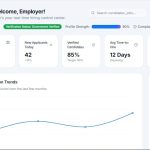
Managing employee expenses is a necessary but often frustrating part of running a business. Paper receipts, delayed approvals, spreadsheet-based tracking, and inconsistent reimbursement policies can quickly create inefficiencies and errors. Expense management platforms are designed to solve these challenges by automating expense tracking, approvals, reimbursements, and reporting in a single, centralized system. When implemented correctly, they do more than reduce paperwork – they improve financial visibility, enforce policy compliance, and strengthen overall cost control.
TLDR: Expense management platforms simplify the entire reimbursement process by automating receipt capture, approvals, and accounting integration. They reduce manual errors, improve compliance with company policies, and provide real-time visibility into spending. By centralizing expense reporting and leveraging automation, companies can save time, cut costs, and increase financial transparency. Choosing the right platform depends on company size, integration needs, and reporting requirements.
The Challenges of Traditional Expense Management
Before the rise of dedicated expense platforms, most organizations relied on manual reporting processes. Employees completed spreadsheets, attached paper receipts, and sent documents via email for approval. Finance teams then manually verified, entered, and reimbursed expenses.
This approach presents several risks:
- Human error in data entry
- Lost or damaged receipts
- Delayed approvals and reimbursements
- Limited visibility into real-time spending
- Difficulty enforcing corporate policies
Over time, these inefficiencies drain both time and financial resources. As businesses grow, the volume of expenses increases, and manual processes become unsustainable. This is where expense management platforms offer measurable value.
What Is an Expense Management Platform?
An expense management platform is a digital solution that automates and streamlines how organizations track, approve, reimburse, and analyze employee expenses. These systems typically include:
- Mobile receipt capture
- Automated expense categorization
- Approval workflows
- Policy enforcement rules
- Accounting software integration
- Real-time reporting dashboards
By centralizing these functions, companies eliminate fragmented systems and manual tracking methods. Employees submit expenses through a mobile app or web interface, managers review and approve digitally, and finance teams gain instant oversight.

Key Features That Simplify Reimbursements
1. Mobile Receipt Capture
One of the most significant improvements these platforms provide is mobile receipt capture. Employees simply take a photo of their receipt, and the system extracts key details such as date, merchant, and amount using optical character recognition (OCR).
This reduces:
- Time spent on manual entry
- Risk of lost receipts
- Back-and-forth clarifications with finance teams
It also encourages timely submissions, ensuring expenses are logged in real time rather than weeks later.
2. Automated Approval Workflows
Instead of emailing spreadsheets to supervisors, expense submissions are automatically routed through predefined approval chains. Rules can be built based on department, expense type, or spending limits.
Benefits include:
- Faster approvals
- Clear accountability
- Reduced processing delays
- Consistent policy enforcement
Automated notifications ensure managers review requests promptly, accelerating reimbursement cycles.
3. Direct Reimbursement Processing
Many platforms connect directly to payroll or banking systems, enabling electronic reimbursements. Once an expense is approved, payment can be processed automatically according to company schedules.
This eliminates manual payment handling and significantly reduces administrative overhead.
Improving Financial Reporting and Visibility
Expense management platforms do more than process reimbursements. They provide a strategic view of company spending patterns.
Finance leaders gain access to:
- Real-time dashboards showing spend by category
- Department-level comparisons
- Trend analysis over time
- Budget tracking tools
This level of transparency enables better forecasting and informed decision-making. Instead of reacting to overspending after it occurs, organizations can identify patterns early and take corrective action.

Policy Compliance and Risk Reduction
Expense policy violations, whether intentional or accidental, create financial and legal risks. Common examples include exceeding meal limits, booking unauthorized travel classes, or submitting duplicate expenses.
Expense management platforms mitigate these risks by embedding policy rules directly into the submission process. For instance:
- Expenses over a set threshold trigger additional approvals
- Out-of-policy submissions are automatically flagged
- Duplicate detection prevents double reimbursements
- Required documentation is enforced before submission
This proactive approach strengthens internal controls and supports audit readiness. Every expense is digitally documented, time stamped, and traceable, improving compliance and reducing the likelihood of fraud.
Integration With Accounting and ERP Systems
Data silos create discrepancies and reconciliation headaches. Modern expense platforms integrate seamlessly with accounting software and enterprise resource planning (ERP) systems.
This integration allows:
- Automatic syncing of general ledger codes
- Real-time expense posting
- Elimination of duplicate data entry
- Faster month-end closing processes
By ensuring accuracy across systems, companies improve financial reporting integrity and reduce reconciliation errors.
Benefits for Employees and Managers
Expense management platforms are not only valuable for finance teams. They improve the experience for everyone involved.
For Employees
- Faster reimbursements
- Simpler submission processes
- Clear expense policy guidelines
- Real-time tracking of approval status
Employees no longer need to guess whether a manager has approved their report or when reimbursement will arrive. Transparency builds trust and reduces frustration.
For Managers
- Quick mobile approvals
- Better oversight of team budgets
- Standardized review processes
- Reduced administrative burden
The ability to review expenses from a mobile device streamlines decision-making, especially in remote or hybrid work environments.
Scalability for Growing Organizations
As businesses expand, expense volume increases proportionally. A scalable expense management solution can support this growth without requiring additional administrative headcount.
Cloud-based systems offer:
- Multi-currency support for global teams
- Compliance with regional tax regulations
- Role-based access controls
- Custom reporting for multiple entities
These capabilities are essential for organizations operating across borders or managing distributed workforces.

How to Choose the Right Platform
Not every expense management solution fits every organization. When evaluating options, decision-makers should consider:
- Ease of use: Is the interface intuitive for employees?
- Integration capabilities: Does it connect with existing accounting tools?
- Customization: Can policies and workflows be tailored?
- Reporting depth: Are analytics robust enough for leadership needs?
- Security standards: Does it offer encryption and compliance certifications?
- Customer support: Is training and ongoing assistance available?
A structured evaluation process, including pilot testing and stakeholder feedback, helps ensure successful implementation.
Implementation Best Practices
Simply purchasing software does not guarantee results. Successful adoption requires planning and communication.
Key steps include:
- Clearly documenting expense policies before rollout
- Providing training sessions for employees and managers
- Setting measurable objectives for improvement
- Monitoring adoption rates and gathering feedback
- Continuously refining workflows as needed
Leadership involvement is also critical. When executives actively use and support the system, adoption increases organization-wide.
The Long-Term Strategic Value
Expense management platforms are often introduced to solve administrative bottlenecks. However, their long-term impact extends much further. By improving visibility, enhancing compliance, and automating routine tasks, these platforms allow finance teams to shift focus from data entry to strategic analysis.
Organizations that modernize expense management frequently report:
- Reduced processing costs per expense report
- Shorter reimbursement cycles
- Improved employee satisfaction
- Stronger budget control
- Greater audit readiness
In an increasingly data-driven business environment, real-time insights into operational spending are no longer optional. They are a competitive necessity.
Conclusion
Expense management platforms transform reimbursement and reporting from a manual, error-prone process into a streamlined, transparent, and data-driven operation. By automating receipt capture, enforcing policy compliance, integrating with accounting systems, and providing actionable insights, these platforms deliver both operational efficiency and strategic value.
For organizations seeking to reduce administrative burden while strengthening financial oversight, implementing a reliable expense management solution is a practical and forward-looking investment. In a business climate where cost control and transparency are paramount, modernizing expense processes is not just an improvement—it is a standard of responsible financial management.