
The food truck industry has evolved far beyond a simple mobile kitchen parked on a busy street corner. Today’s successful operators rely on data, technology, and strategic planning to compete in an increasingly crowded market. Managing routes, tracking daily sales, forecasting inventory, and coordinating staff require more than handwritten logs and spreadsheets. That is where food truck management tools like Best Food Trucks play a critical role, offering centralized platforms that help owners track locations and sales with accuracy and confidence.
TLDR: Modern food truck management tools help owners track real-time locations, monitor sales performance, and streamline event scheduling. Platforms like Best Food Trucks combine GPS tracking, POS integration, and analytics dashboards to improve operational efficiency. These systems provide actionable insights that support smarter decisions about routes, staffing, and inventory. For serious operators, adopting a dedicated management tool is no longer optional but essential for sustainable growth.
The Operational Challenges of Food Truck Businesses
Running a food truck presents unique hurdles that traditional restaurants do not face. While mobility offers flexibility and reach, it also introduces logistical complexity. Owners must constantly answer questions such as:
- Where should we park today to maximize revenue?
- Which events are worth the vendor fees?
- What menu items perform best in specific locations?
- Are we overstaffed or understaffed during peak hours?
Without a structured system, decisions are often made based on intuition rather than data. This can lead to inconsistent revenue, wasted inventory, and preventable downtime. A well-designed management platform addresses these problems directly by capturing location and sales data in real time.
Core Features of Food Truck Management Tools
While different platforms vary in specialization, most professional-grade systems share a core set of capabilities designed specifically for mobile food vendors.
1. Location Tracking and Scheduling
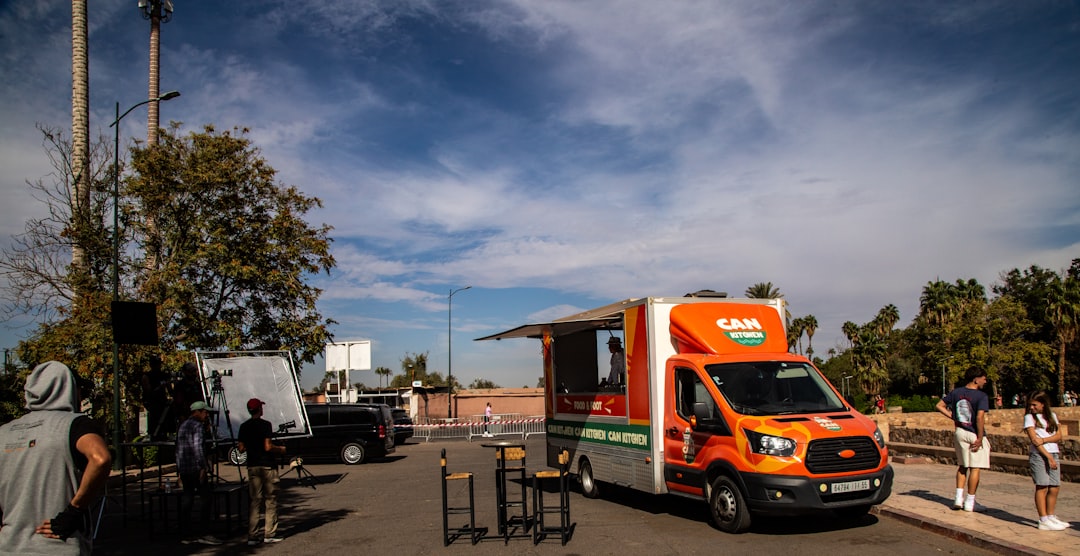
One of the most critical components is GPS-based location tracking. Owners can monitor where each truck is operating and maintain a history of past stops. More advanced tools also integrate event booking, calendar management, and automated confirmations.
This allows operators to:
- Avoid double booking locations
- Identify high-performing zones
- Optimize weekly route planning
- Maintain compliance with municipal parking regulations
2. Sales Tracking and POS Integration
Modern systems often connect directly with point-of-sale (POS) systems. This creates a seamless flow of transaction data into a centralized dashboard. Instead of manually exporting spreadsheets, owners can review:
- Total daily and hourly revenue
- Item-level sales performance
- Average transaction size
- Payment method breakdowns
This visibility is particularly valuable for identifying trends. For example, a truck may sell significantly more beverages at outdoor festivals than at office lunch stops. With reliable data, menu adjustments become strategic rather than speculative.
3. Financial Reporting and Profit Analysis
Revenue alone does not determine success. Food costs, labor expenses, fuel, and event fees all impact profitability. Advanced tools generate financial summaries that help owners understand margins on a per-location and per-event basis. This granular insight supports disciplined business management rather than reactive decision-making.
4. Inventory and Supply Monitoring
Inventory tracking tools reduce waste by monitoring ingredient usage tied to actual sales. By analyzing historical data, the system can help forecast how much product to prep before a particular event. This is especially critical for perishable goods, where overproduction quickly erodes profit.
Best Food Trucks and Similar Platforms
Several established tools serve the food truck industry. While some focus primarily on booking and event coordination, others emphasize analytics and financial reporting. Below is a comparison of commonly used platforms.
| Tool | Location Tracking | Sales Integration | Event Management | Best For |
|---|---|---|---|---|
| Best Food Trucks | Yes | Yes | Advanced booking platform | Operators seeking integrated booking and analytics |
| Food Truck Pub | Limited | Basic reporting | Vendor promotion and directory | Marketing exposure |
| Square with Add Ons | No native GPS | Robust POS analytics | External coordination required | Sales focused operators |
| StreetFoodFinder | Yes | Varies by integration | Strong event booking | Market and festival heavy trucks |
Among these, platforms like Best Food Trucks stand out for combining operational logistics with customer-facing booking capabilities, creating an ecosystem instead of a single-function tool.
The Strategic Value of Location Data
For mobile vendors, location is not just an address; it is a revenue variable. By tracking performance by street, neighborhood, or event type, owners gain measurable insight into demand patterns.
Consider the following examples:
- A downtown financial district may generate high weekday lunch sales but negligible weekend revenue.
- A brewery partnership might produce consistent beverage pairings and upsell opportunities.
- Music festivals may justify higher menu pricing due to increased foot traffic.
With historical location data, owners can calculate revenue per hour at each stop. This metric is particularly valuable when accounting for setup time, parking fees, and staffing costs.

Instead of relying on anecdotal memory, management tools provide documented performance benchmarks. This supports more disciplined scheduling and improved negotiating leverage when securing event spots.
Improving Cash Flow and Forecasting
Cash flow instability is a common risk in the food truck business. Weather disruptions, permit delays, or event cancellations can quickly impact revenue. Sales tracking tools reduce uncertainty by revealing seasonal and monthly patterns.
For example, analytics may show:
- Lower revenue during extreme heat months
- Stronger performance around local sports events
- Increased catering bookings during corporate holiday seasons
With this information, owners can forecast inventory purchases and labor scheduling more accurately. In serious operations, forecasting reduces reliance on short-term credit and helps maintain healthier working capital reserves.
Enhancing Accountability Across Teams
As food truck businesses scale to multiple vehicles or team members, internal oversight becomes increasingly important. Centralized dashboards enable multi-unit operators to compare performance between trucks.
Management can:
- Track which team achieves higher upsell rates
- Identify training gaps in order accuracy
- Monitor adherence to scheduled locations
- Review event profitability per truck

This level of transparency encourages standardized processes and performance consistency. It also supports data-backed coaching rather than subjective assessments.
Marketing and Customer Visibility Benefits
Many platforms provide customer-facing features that indirectly support revenue growth. Real-time location updates allow customers to find trucks easily, increasing walk-up traffic. Event booking integrations simplify catering inquiries and reduce administrative burden.
Additionally, data collected from sales trends can inform:
- Targeted social media promotions
- Limited-time menu offers
- Geo-targeted marketing campaigns
When marketing decisions are guided by accurate sales data, promotional spending becomes more efficient and measurable.
Data Security and Professional Standards
Serious operators also recognize the importance of secure digital infrastructure. Reputable management tools prioritize encrypted transactions, secure cloud storage, and compliance with payment card standards. This protects both the business and its customers, reinforcing credibility.
As the industry matures, municipalities and corporate clients increasingly expect vendors to demonstrate professionalism in booking, invoicing, and reporting. Digital management systems strengthen vendor reputation by ensuring contracts, permits, and financial records are well organized and readily accessible.
Return on Investment for Management Platforms
Adopting a dedicated management tool represents an operational cost. However, the return often justifies the expense. Benefits include:
- Reduced administrative time
- Higher event booking efficiency
- Lower inventory waste
- Improved revenue targeting
Even small percentage improvements in margin can significantly impact annual profitability. For a truck generating substantial weekly revenue, better location selection alone can outweigh subscription costs multiple times over.
Conclusion
The modern food truck business operates at the intersection of mobility, hospitality, and data-driven strategy. Tools like Best Food Trucks exemplify the shift toward integrated platforms that combine location tracking, sales reporting, and booking management into a unified system. For owners seeking long-term stability and growth, these technologies provide more than convenience; they offer clarity.
In a competitive industry where margins can be tight and unpredictability is constant, reliable operational data becomes a decisive advantage. Food truck management tools empower owners to replace guesswork with measurable insight, ultimately transforming a mobile kitchen into a sustainable, professionally managed enterprise.