Google Analytics has long been the default choice for website tracking, but growing concerns around data privacy, regulatory compliance, and product complexity have led many organizations to explore alternatives. Modern businesses often require clearer data ownership, simpler dashboards, and analytics solutions that respect user privacy without sacrificing actionable insights. As a result, a competitive landscape of website tracking tools has emerged, offering robust features tailored to different business needs.
TLDR: There are several credible and privacy-conscious alternatives to Google Analytics that provide accurate website insights without excessive complexity. Tools like Matomo, Plausible, and Fathom prioritize data ownership and GDPR compliance, while platforms such as Mixpanel and Heap focus on advanced product analytics. Choosing the right solution depends on your organization’s technical requirements, privacy standards, and budget. Below is a detailed overview and comparison of six leading Google Analytics alternatives.
Why Consider a Google Analytics Alternative?
Before reviewing specific tools, it is important to understand the motivations behind switching. Organizations frequently cite:
- Privacy compliance pressures under GDPR, CCPA, and other regulations
- Data ownership concerns when relying on third-party servers
- Complexity in navigating advanced Google Analytics configurations
- Cookie banner requirements affecting user experience
- Desire for simplified dashboards with clearer KPIs
For teams seeking either enhanced privacy control or more refined product insights, specialized alternatives may provide superior alignment with business goals.

1. Matomo
Best for: Organizations requiring full data ownership and compliance flexibility.
Matomo is a mature, open-source analytics platform that allows businesses to host their data on their own servers. This ensures full ownership and eliminates reliance on third-party data processors. It is frequently chosen by government institutions, educational organizations, and privacy-conscious enterprises.
Key Features:
- Self-hosted or cloud-based deployment
- Full GDPR compliance tools
- Advanced e-commerce tracking
- Heatmaps and session recordings
- No data sampling
Matomo closely mirrors Google Analytics in functionality, which makes transition relatively straightforward. However, it may require additional technical resources to manage effectively in self-hosted environments.
2. Plausible Analytics
Best for: Lightweight, privacy-focused analytics with simplicity at its core.
Plausible is an open-source analytics solution designed to operate without cookies or intrusive tracking scripts. Its minimalist interface presents only essential metrics, making it highly accessible for small businesses and content-driven websites.
Key Features:
- Cookie-free tracking
- GDPR, CCPA compliant
- Simple one-page dashboard
- Lightweight script for improved page speed
- Public analytics sharing option
Plausible prioritizes transparency and clarity. While it does not offer deep behavioral tracking like Google Analytics 4, it delivers reliable website performance metrics without overwhelming users.
3. Fathom Analytics
Best for: Businesses seeking privacy-first analytics with enterprise reliability.
Fathom Analytics positions itself as a premium, privacy-focused alternative. It eliminates the need for cookie consent banners in many jurisdictions by anonymizing visitor data by default.
Key Features:
- Privacy-first tracking technology
- Simple yet insightful dashboard
- Fast-loading tracking script
- Email reports and goal tracking
- Data stored in privacy-respecting jurisdictions
Fathom is particularly appealing for companies wanting ethical analytics practices without sacrificing clarity in performance measurement.

4. Mixpanel
Best for: Product analytics and detailed user behavior tracking.
Unlike traditional traffic-based analytics tools, Mixpanel focuses heavily on event-based tracking and product engagement. It is particularly effective for SaaS businesses and mobile applications.
Key Features:
- Advanced event tracking
- Funnel and cohort analysis
- Retention measurement
- A/B testing support
- Custom reporting dashboards
Mixpanel shifts the emphasis from pageviews to user interactions, allowing organizations to measure conversions, feature adoption, and long-term user retention with precision.
5. Heap
Best for: Automated data capture with minimal configuration.
Heap differentiates itself through automatic event tracking. Rather than manually configuring events, Heap captures nearly every user interaction, enabling teams to analyze past data retroactively.
Key Features:
- Automatic event capture
- Advanced segmentation
- User journey mapping
- Behavioral analytics
- Scalable enterprise solutions
This approach reduces reliance on predefined tracking plans and allows marketing and product teams to explore behavioral data without constant developer intervention.
6. Clicky
Best for: Real-time analytics with ease of use.
Clicky provides real-time monitoring paired with a straightforward interface. It offers detailed insights without the steep learning curve associated with Google Analytics 4.
Key Features:
- Real-time visitor tracking
- Heatmaps on higher plans
- Uptime monitoring
- Goal tracking
- Simple installation process
For businesses requiring immediate visibility into live traffic behavior, Clicky offers dependable performance with minimal setup.
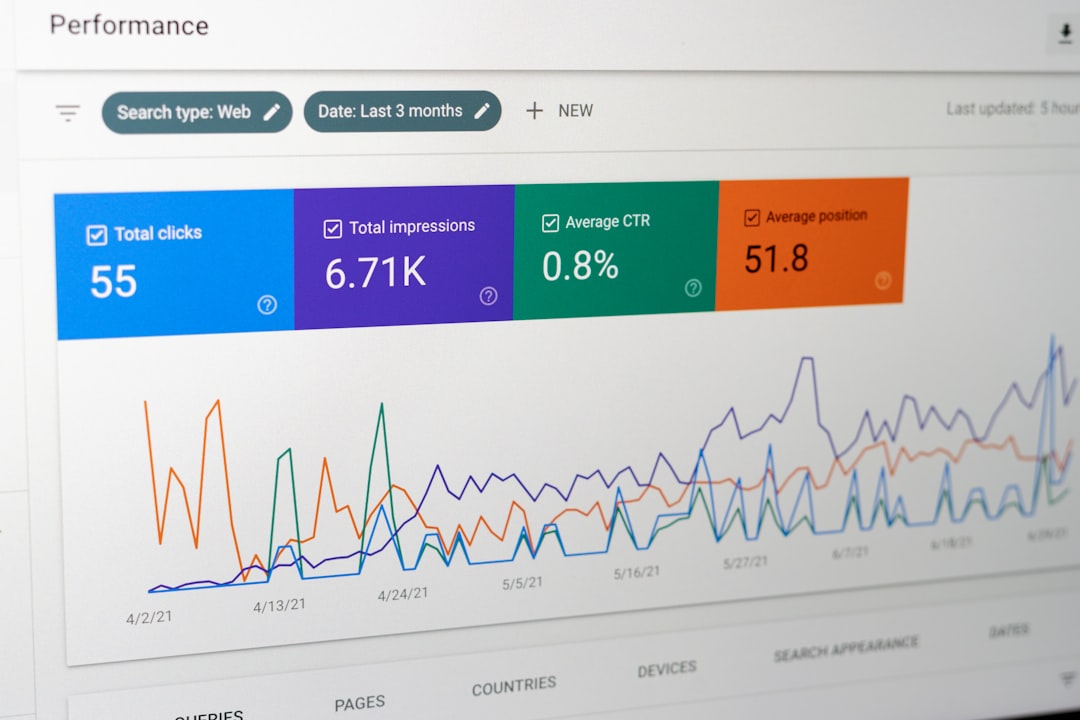
Comparison Chart of Google Analytics Alternatives
| Tool | Privacy Focus | Best For | Hosting Option | Complexity Level |
|---|---|---|---|---|
| Matomo | High | Full data ownership | Self-hosted or Cloud | Moderate to High |
| Plausible | Very High | Simple website tracking | Cloud or Self-hosted | Low |
| Fathom | Very High | Privacy-first businesses | Cloud | Low |
| Mixpanel | Moderate | Product and SaaS analytics | Cloud | High |
| Heap | Moderate | Automated behavioral tracking | Cloud | High |
| Clicky | Moderate | Real-time website analytics | Cloud | Low to Moderate |
Key Considerations When Choosing a Tool
Selecting the appropriate analytics platform should involve a structured evaluation process. Organizations should assess:
- Compliance requirements across operating jurisdictions
- Technical infrastructure and hosting capabilities
- Team expertise in analytics configuration and interpretation
- Type of business model (content, e-commerce, SaaS, enterprise)
- Total cost of ownership, including setup and maintenance
For content-driven websites seeking clarity and compliance, tools like Plausible or Fathom may provide immediate value. Enterprises requiring granular data control may prefer Matomo. Meanwhile, SaaS companies focused on user behavior and retention may benefit most from Mixpanel or Heap.
Final Thoughts
Website tracking tools are no longer one-size-fits-all solutions. As privacy regulations tighten and user expectations shift, organizations must adopt analytics frameworks aligned with both regulatory standards and strategic objectives. While Google Analytics remains powerful, its alternatives offer compelling benefits in transparency, usability, and compliance.
By carefully evaluating internal requirements and long-term data strategies, businesses can select a tracking platform that enhances decision-making while maintaining trust with users. The right analytics solution should not only measure performance but also reinforce responsible data stewardship — a priority that is increasingly central to sustainable digital growth.