
Creating your own lampshade is a fun and rewarding DIY project that adds a personal flair to your home decor. While using pre-made kits is common, making a lampshade from scratch allows for complete creative freedom—and it’s easier than you may think. With a few essential tools and materials, you can turn ordinary items into a custom light fixture that reflects your style.
TLDR: Crafting a Lampshade Without a Kit
Making a lampshade without a kit is totally doable with basic materials such as a lampshade frame, fabric, and adhesive. Begin by choosing your shade shape and size, then wrap and secure your fabric around the frame. Sew or glue for a polished look, and finish it off with trim for a professional touch. This DIY project is both budget-friendly and satisfying!
What You’ll Need
Before starting, gather the following items to ensure a smooth process:
- Lampshade frame: Choose the size and shape you want.
- Fabric: Pick a material that complements your decor and allows some light to shine through.
- Spray adhesive or fabric glue
- Scissors or rotary cutter
- Measuring tape
- Pencil or fabric marker
- Clothespins or clips
- Bias tape or decorative trim (optional for edging)
- Needle and thread or hot glue gun
Step-by-Step Guide
Step 1: Choose Your Frame
If you’re recycling an existing lampshade, strip off the old fabric until only the metal frame remains. You can also buy new frames online or from craft stores. Popular shapes include drum, empire, conical, and bell. Your choice will influence how much fabric and trim you’ll need.
Step 2: Prepare the Fabric
Lay your fabric out on a clean, flat surface. Roll or rotate the frame across the fabric, marking its path with a pencil to get the correct shape and size. Add about half an inch extra around all sides for folding and securing. If your lampshade frame has a taper, you’ll need to create an arc or curved shape to ensure the fabric fits smoothly.
Tip: Use canvas, linen, or cotton blends for durability and ease. Avoid thick or textured fabrics that may block light or be difficult to wrap.
Step 3: Cut and Attach the Fabric
Once marked and measured, cut the fabric according to your outline. Lightly spray the frame or fabric with adhesive and begin wrapping the fabric around the frame, working in small sections at a time. Use clothespins or clips to hold fabric in place temporarily as the adhesive sets.
Make sure the fabric is taut and smooth to avoid wrinkles or bubbles. Fold over the excess at the top and bottom edges and glue or sew them in neatly. For best results, let the adhesive dry fully before moving on.
Step 4: Finish the Edges
This is where you make your lampshade look professionally made. Apply bias tape or a decorative trim along the top and bottom edges to hide raw fabric or adhesive lines. You can stitch this on by hand or use a strong craft glue.
Optional: Add a ribbon, beaded fringe, or other embellishments for extra personality.
Step 5: Mount the Lampshade
Allow your lampshade to set completely. Then, attach it to your lamp base. Make sure it sits securely and does not obstruct the light bulb. If you’ve repurposed an unconventional frame, you may need to use a bulb clip adapter or harp frame to mount it properly.
Creative Variations
Once you’ve mastered the basics, expand your creativity with the following ideas:
- Stencil designs onto plain fabric for a custom pattern
- Use upcycled materials like maps, old sweaters, or lace
- Try layering semi-transparent fabrics for dimensional effects
- Incorporate cut-out silhouettes or decoupage to project unique shadows
Common Mistakes to Avoid
Even experienced crafters can run into snags, so be on the lookout for these issues:
- Using the wrong fabric: Too thick or too loose, and it won’t adhere well or allow light through.
- Skimping on adhesive: This can cause fabric to bubble or lift over time.
- Improper measurements: A misaligned fabric pattern makes the whole lampshade look off.
- Ignoring safety: Only use flame-resistant fabric near bulbs and never let the shade touch the bulb directly.
Time and Cost Estimates
Making a DIY lampshade typically takes between 1–3 hours, depending on your level of experience and the complexity of the design. In terms of cost, you can expect to spend around $10–$25 on average if you’re able to upcycle some materials, or up to $40 if you purchase new decorative supplies and tools.
Why Make Your Own Lampshade?
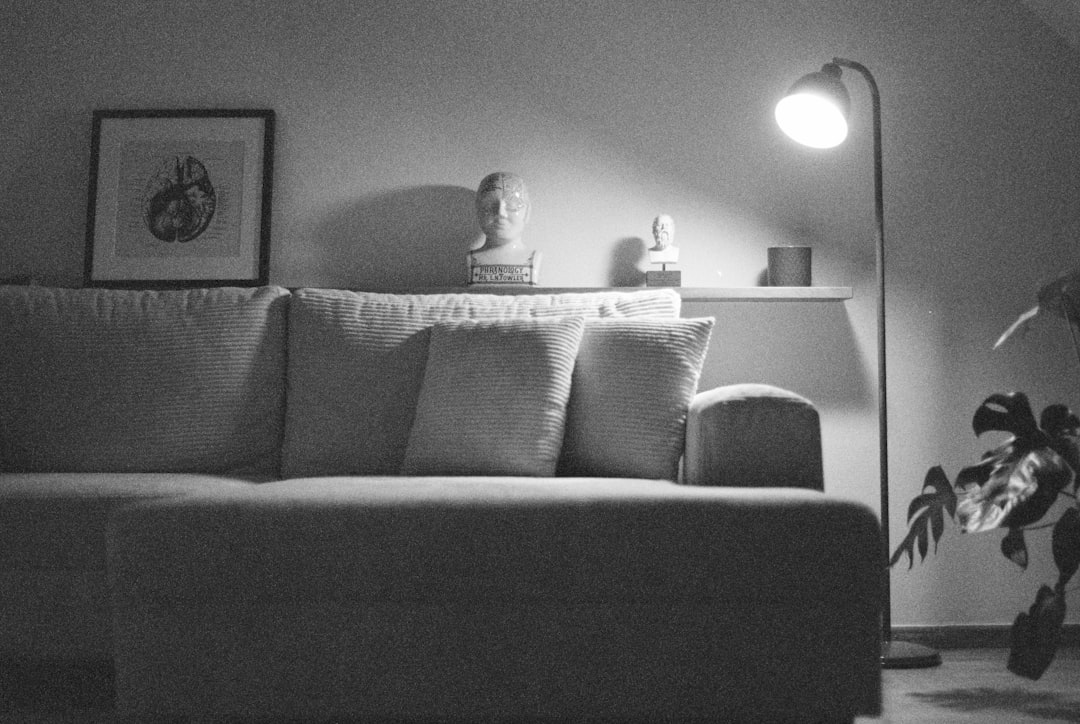
Besides the savings, one of the best reasons to make your own lampshade is customization. Want a lamp that matches your curtains perfectly? Or a shade with subtle patterning to soften your lighting? DIY lampshades let you match your decor exactly how you like it. Plus, they make fantastic personalized gifts!
Bonus Tips
- Use a lint roller to remove dust from fabric lampshades over time.
- Keep extra fabric and trim in case of future repairs.
- Consider an LED bulb to avoid heat build-up and prolong the life of your fabric.
- If you’re showcasing detailed artwork or fabric, use a transparent liner inside to prevent shadowing from the frame.
Conclusion
Crafting a custom lampshade without a kit is not only possible—it’s also incredibly fulfilling. All it takes is the right frame, your chosen fabric, and a touch of patience. Whether you’re going for simple elegance or artistic boldness, the result is a one-of-a-kind accessory that lights up your space both literally and stylistically.
So go ahead—get creative and transform your favorite nook with a handmade lampshade that reflects you.