
Managing cloud infrastructure without actively tracking spending is like driving a high-performance car without a dashboard. As organizations increasingly rely on AWS and other cloud providers, the importance of cost visibility and optimization has never been greater. While AWS Cost Explorer is a powerful native tool for analyzing AWS usage, many businesses require deeper insights, multi-cloud visibility, automated recommendations, and advanced forecasting capabilities. Fortunately, several cloud cost monitoring tools go beyond the basics to help teams track, control, and optimize cloud spend effectively.
TLDR: Cloud cost monitoring tools help businesses gain visibility into their cloud usage and spending while identifying optimization opportunities. Beyond AWS Cost Explorer, tools like CloudHealth, CloudZero, Datadog Cloud Cost Management, Apptio Cloudability, Flexera, and Spot by NetApp offer advanced analytics, automation, and multi-cloud support. These platforms provide budgeting, forecasting, anomaly detection, and rightsizing recommendations to reduce waste. Choosing the right tool depends on your cloud complexity, reporting needs, and optimization strategy.
Why Look Beyond AWS Cost Explorer?
AWS Cost Explorer is excellent for tracking AWS-specific usage trends and costs. However, modern cloud environments often span multiple platforms, including Azure and Google Cloud. Organizations also need features like:
- Multi-cloud visibility
- Cost allocation by team or product
- Automated rightsizing recommendations
- Custom reporting dashboards
- Real-time anomaly alerts
For growing companies and enterprises, basic cost breakdowns aren’t enough. They require deeper financial management capabilities—often referred to as FinOps—that connect engineering, finance, and operations.
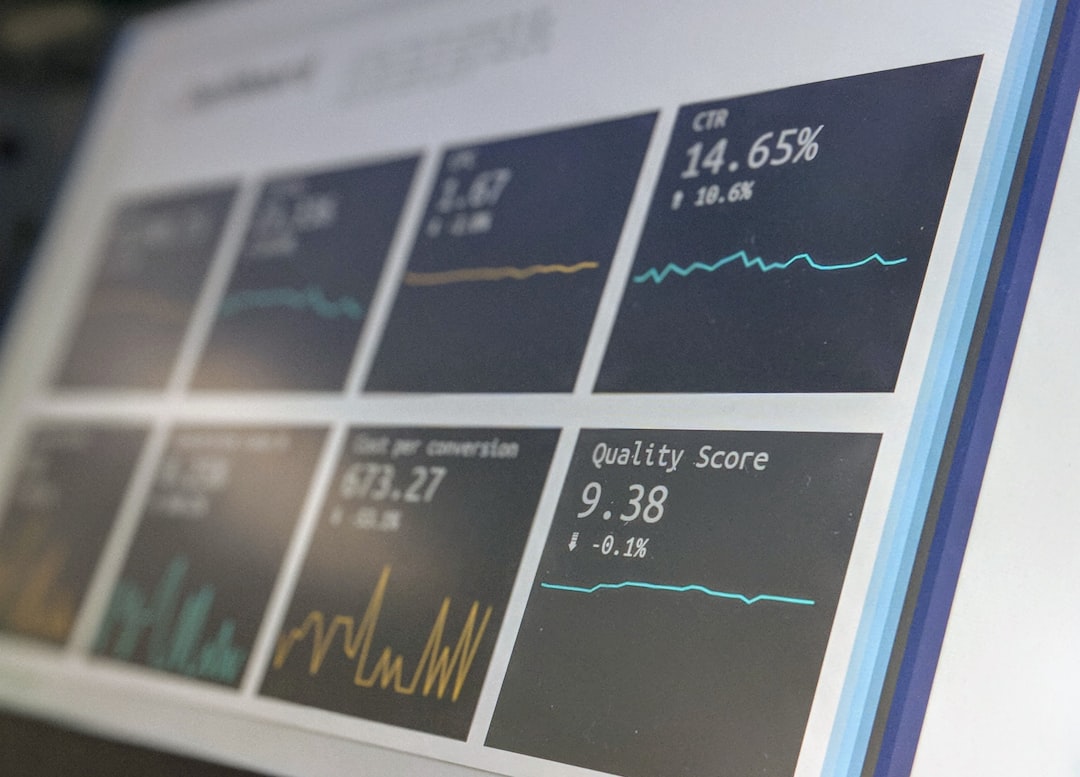
1. VMware CloudHealth
CloudHealth by VMware is one of the most comprehensive cloud management platforms available. It provides robust cost visibility, governance controls, and optimization recommendations across AWS, Azure, and Google Cloud.
Key Features:
- Multi-cloud cost tracking
- Governance and policy automation
- Rightsizing recommendations
- Custom reporting and dashboards
- Advanced budgeting tools
What makes CloudHealth stand out is its strong governance framework. Organizations can create policies that automatically identify waste or non-compliant resources. It’s particularly valuable for enterprises that need strict cost control and compliance oversight.
Best for: Large organizations managing complex, multi-cloud environments.
2. CloudZero
CloudZero takes a different approach by focusing heavily on unit economics and cost allocation. Instead of just showing where money is being spent, CloudZero helps companies understand why they are spending it and how it ties directly to products and customers.
Key Features:
- Granular cost allocation
- Real-time cloud intelligence
- Product-level cost analysis
- Anomaly detection
Startups and SaaS businesses find CloudZero particularly useful because it aligns cloud spending with revenue metrics. Engineering teams can see how infrastructure usage impacts product margins, making financial accountability much clearer.
Best for: SaaS companies and data-driven organizations focused on profitability.
3. Datadog Cloud Cost Management
Many organizations already use Datadog for monitoring performance and infrastructure health. Its Cloud Cost Management feature extends that visibility into financial performance, creating a unified operational and cost dashboard.
Key Features:
- Integrated cost and performance monitoring
- Kubernetes cost allocation
- Real-time cost visibility
- Custom tagging analysis
This tool helps DevOps teams correlate application performance with infrastructure costs. For example, if a microservice consumes excessive compute resources, teams can see both the performance metrics and cost impact simultaneously.
Best for: DevOps teams that want performance and cost data in one place.
4. Apptio Cloudability
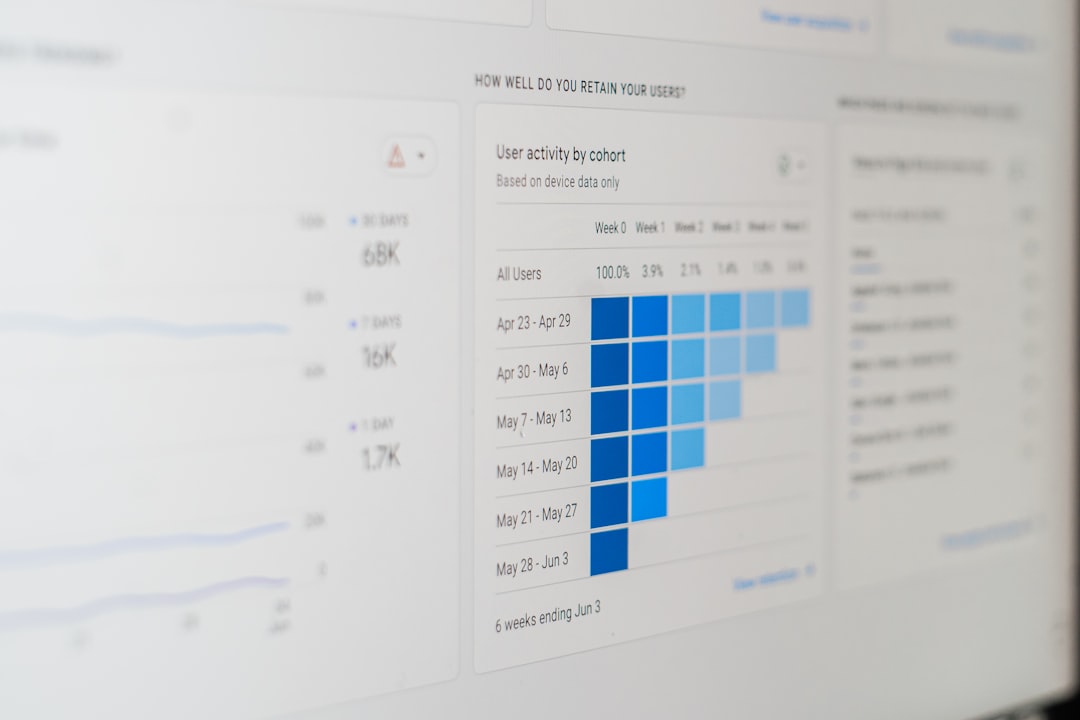
Apptio Cloudability is a financial management platform designed to bridge the gap between IT and finance departments. It offers strong budgeting capabilities and executive-friendly reporting tools.
Key Features:
- Detailed cost allocation and tagging
- Budget forecasting
- Automated savings recommendations
- Executive financial reporting
Cloudability shines when it comes to presenting data in a way that financial leaders can easily understand. It translates technical cloud metrics into clear financial insights.
Best for: Enterprises that need tight alignment between finance and IT.
5. Flexera Cloud Cost Management
Flexera offers a comprehensive IT asset management platform, and its cloud cost management capabilities are especially powerful for hybrid and multi-cloud environments.
Key Features:
- Multi-cloud optimization
- License management integration
- Predictive analytics
- Governance automation
Flexera’s predictive analytics help teams forecast future cloud expenses based on historical trends. This feature is critical for long-term budgeting and avoiding unexpected billing spikes.
Best for: Organizations with hybrid infrastructure and licensing complexity.
6. Spot by NetApp
Spot by NetApp focuses primarily on automation and infrastructure optimization. Rather than just identifying cost inefficiencies, Spot actively optimizes workloads using AI-driven recommendations.
Key Features:
- Automated instance optimization
- Spot instance management
- Kubernetes optimization
- Continuous cost monitoring
Spot’s strength lies in its automation capabilities. It dynamically adjusts infrastructure to minimize costs while maintaining performance. For companies running large, elastic workloads, this automation can result in significant savings.
Best for: Cloud-native companies that prioritize automated optimization.
Key Features to Look for in Cloud Cost Monitoring Tools
Selecting the right tool involves evaluating your unique operational needs. Here are some of the most important capabilities to consider:
1. Multi-Cloud Support
If your organization operates across AWS, Azure, or Google Cloud, unified reporting is essential for consistent cost analysis.
2. Cost Allocation and Tagging
Detailed tagging enables cost attribution to teams, projects, or specific customers—improving accountability.
3. Rightsizing and Optimization
Look for tools that recommend instance resizing, idle resource shutdown, and commitment discounts such as Reserved Instances or Savings Plans.
4. Forecasting and Budgeting
Predictive cost modeling helps teams prepare for scaling events and seasonal traffic spikes.
5. Automation
The more manual effort required to manage cloud costs, the higher the administrative burden. Automated recommendations and enforcement policies can dramatically improve efficiency.
How to Implement a Cloud Cost Management Strategy
Using the right tool is only part of the equation. A strong FinOps strategy ensures ongoing optimization and accountability.
- Establish clear ownership: Define who is responsible for monitoring and approving cloud costs.
- Implement consistent tagging: Enforce tagging policies across all resources.
- Set budgets and alerts: Prevent overspending with proactive notifications.
- Review costs regularly: Conduct monthly cost review meetings between engineering and finance teams.
- Automate wherever possible: Reduce human error with automated scaling and shutdown policies.
Combining cultural discipline with advanced monitoring technology creates a proactive, rather than reactive, cost management approach.
Final Thoughts
Cloud spending can quickly spiral out of control without the right visibility and controls in place. While AWS Cost Explorer provides a strong foundation, modern businesses often require deeper analytics, multi-cloud visibility, and automated optimization.
Tools like CloudHealth, CloudZero, Datadog, Apptio Cloudability, Flexera, and Spot by NetApp empower organizations to move beyond passive tracking into active financial management. Whether your priority is granular cost allocation, executive-level forecasting, or AI-driven automation, there’s a solution tailored to your needs.
Ultimately, effective cloud cost monitoring isn’t just about saving money—it’s about building a scalable, financially sustainable cloud strategy that supports innovation without unnecessary waste.